

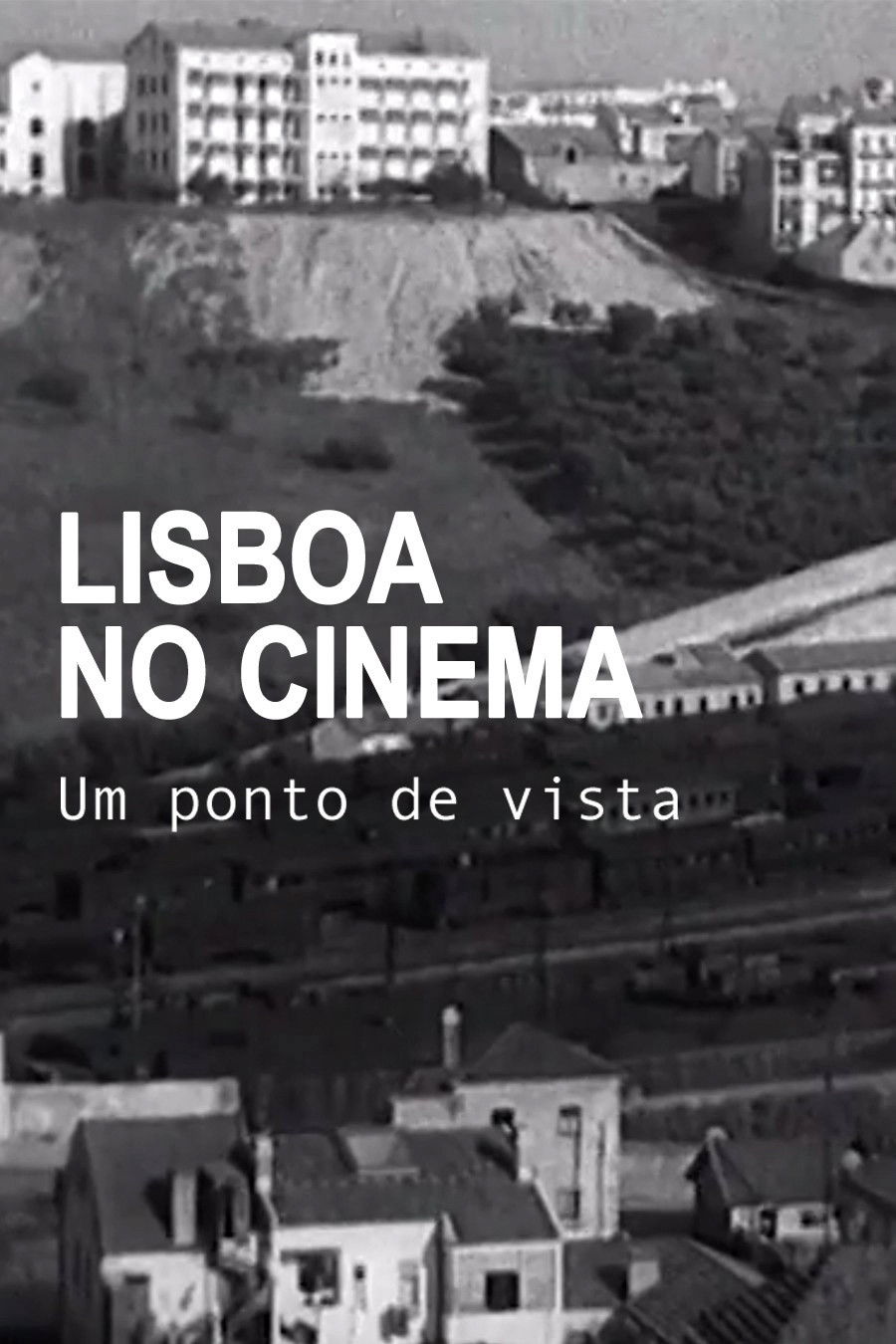
Lisboa no Cinema, Um Ponto de Vista
Documentary
Overview
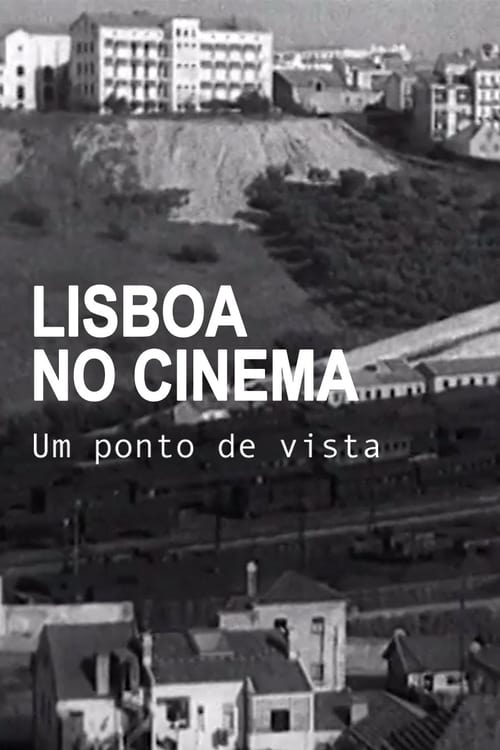
The city during the beginning of cinema. The typical city at the time of the dictatorship. The New Lisbon of the New Cinema. Lisbon after the Revolution. The white city of foreigners. A geographical and moviegoer screenplay of Lisbon through the images of films and testimonies of several filmmakers who filmed in Lisbon.



Alberto Seixas Santos
Alberto Seixas Santos
Alberto Seixas Santos
António da Cunha Telles
António da Cunha Telles
António da Cunha Telles
António Escudeiro
António Escudeiro
António Escudeiro
Daniel Del Negro
Daniel Del Negro
Daniel Del Negro
Edgar Pêra
Edgar Pêra
Edgar Pêra
Eduardo Geada
Eduardo Geada
Eduardo Geada

Fernando Lopes
Fernando Lopes
Fernando Lopes
João Bénard da Costa
João Bénard da Costa
João Bénard da Costa
João Botelho
João Botelho
João Botelho
Joaquim Leitão
Joaquim Leitão
Joaquim Leitão
Similar Movies
This quick look at Lisbon begins with aerial footage of the port city as the off-screen narrator provides some history of a seafaring, colonizing nation, of destructive earthquakes, and of contemporary construction. Then it's on to famous buildings and monuments, a look at female fishmongers who ply neighborhoods with baskets of fish on their heads, a survey of two nearby resort areas, watching a town's annual running of the bulls, and a visit to a bullfight, where the bulls are not killed.
"Graphic City" explores Lisbon's vibrant urban art scene through the unique eyes of artist Mariana Duarte Santos. Between murals and interventions that transform public space, the film delves into the streets of the Portuguese capital to reveal the artistic expression that arises from the city's walls. This documentary captures the creative spirit of Lisbon, where every corner becomes an open canvas for the imagination.
From our window one can see a set of the film The Green Years, directed by Paulo Rocha in 1963. This was our starting point: guided by Rocha's gaze, we look back at the places of that film. The successive geological, urbanistic and social strata of Lisbon, besieged by the pandemic that interrupted the shooting, are drawn out in front of our camera, like a contemporary jazz impro from a score written in 1963.
Marta Cardoso, a young dancer from northern Portugal, moves through Lisbon with restless energy, between precarious routines, affections, and a daily life in constant imbalance. Dance becomes her refuge and her cry: a space where the body finds freedom and instinct, and where gesture replaces words. When dancing, she feels close to her inner animal.
Filmed over a period of 3 years, this video work is a meditation on the borderline of the river Tejo, between Marvila and Barreiro. A psychogeographic piece that seeks out a feeling of doubt, inertia, and waiting. "Two sides, along the boundary line All the weight of the water above Metal arms extended to the heavens As if the sky was tilting to meet them And those giants again; Four by four . . . . all in a line, up against the tide."

In the 1950s, Victor Palla and Manuel Costa, two architect friends, portrayed the city of Lisbon in more than 6,000 photographs. These were published in an eponymous book circulated in fascicles during the fascist regime, but forgotten for the next half-century. After their deaths, it became the photo book with the greatest international projection of all time and this film is a tribute to the work of these two figures, which is now 100 years old.