


Hollywood Out-takes and Rare Footage
Documentary · Comedy
Overview
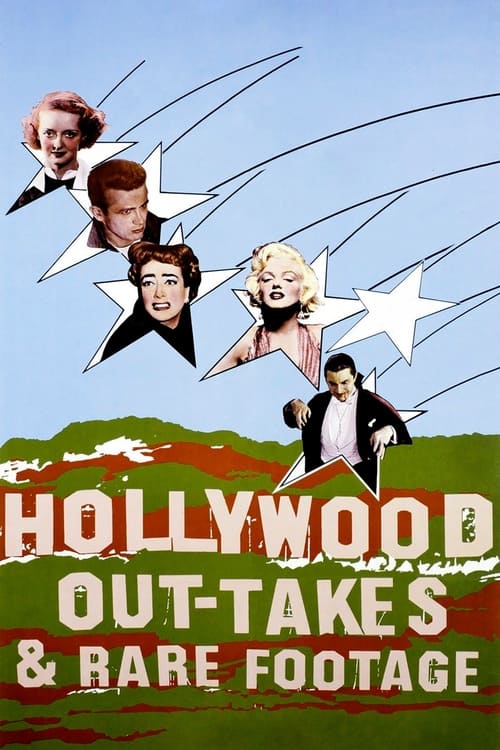
Out-takes (mostly from Warner Bros.), promotional shorts, movie premieres, public service pleas, wardrobe tests, documentary material, and archival footage make up this star-studded voyeuristic look at the Golden age of Hollywood during the 30s, 40, and 50.
Top Cast
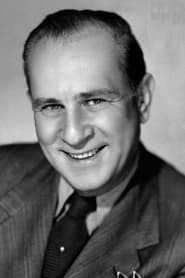
Bud Abbott
Self (archive footage) (uncredited)
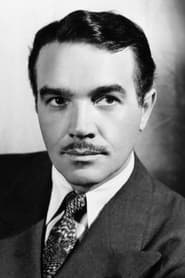
Walter Abel
Self (archive footage) (uncredited)
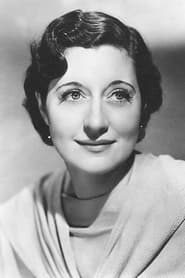
Katharine Alexander
Self (archive footage) (uncredited)
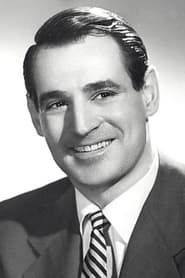
Ray Anthony
Self - Bandleader (archive footage) (uncredited)
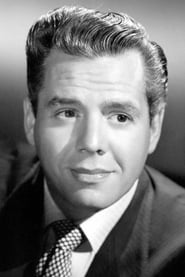
Desi Arnaz
Self (archive footage) (uncredited)
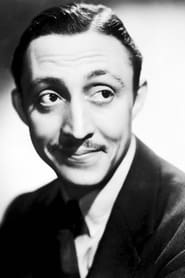
Mischa Auer
Self (archive footage) (uncredited)

Lauren Bacall
Self (archive footage) (uncredited)

Max Baer
Self (archive footage) (uncredited)
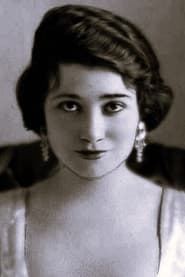
Fay Bainter
Self (archive footage) (uncredited)

Lucille Ball
Self (archive footage) (uncredited)
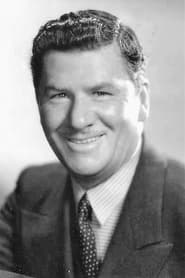
George Bancroft
Self (archive footage) (uncredited)
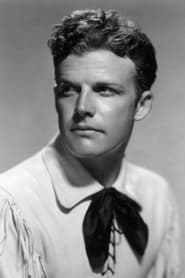
Rex Bell
Self (archive footage) (uncredited)



Bud Abbott
Bud Abbott
Self (archive footage) (uncredited)
Bud Abbott
Self (archive footage) (uncredited)
Walter Abel
Walter Abel
Self (archive footage) (uncredited)
Walter Abel
Self (archive footage) (uncredited)
Katharine Alexander
Katharine Alexander
Self (archive footage) (uncredited)
Katharine Alexander
Self (archive footage) (uncredited)
Ray Anthony
Ray Anthony
Self - Bandleader (archive footage) (uncredited)
Ray Anthony
Self - Bandleader (archive footage) (uncredited)
Desi Arnaz
Desi Arnaz
Self (archive footage) (uncredited)
Desi Arnaz
Self (archive footage) (uncredited)
Mischa Auer
Mischa Auer
Self (archive footage) (uncredited)
Mischa Auer
Self (archive footage) (uncredited)
Lauren Bacall
Lauren Bacall
Self (archive footage) (uncredited)
Lauren Bacall
Self (archive footage) (uncredited)
Max Baer
Max Baer
Self (archive footage) (uncredited)
Max Baer
Self (archive footage) (uncredited)
Fay Bainter
Fay Bainter
Self (archive footage) (uncredited)
Fay Bainter
Self (archive footage) (uncredited)
Lucille Ball
Lucille Ball
Self (archive footage) (uncredited)
Lucille Ball
Self (archive footage) (uncredited)
Similar Movies
A compilation of thirteen rare silent films digitized by the Library of Congress, selected for the 2022 Domitor conference theme “Copy/Rights and Early Cinema.” Drawn from nitrate and safety film, the program spans comedies, trick films, and dramas exploring censorship, invention, adaptation, and social rights. Titles include: Pruning the Movies (Nestor, 1914); Imperial Japanese Dance (Edison, 1894); Early Edison Camera Tests (Edison, c.1890s); Censorship and its Absurdities (Edison, 1915); In Wrong (Crystal, 1914, dir. Phillips Smalley); Tillie’s Tomato Surprise (Lubin, 1915, dir. Howell Hansell); Indian Land Grab (Champion, 1910); The Stolen Play (Falcon Features, 1917, dir. Harry Harvey); And the Villain Still Pursued Her (Vitagraph, 1906, dir. J. Stuart Blackton); The Doll’s Revenge (Hepworth, 1907, dir. Lewin Fitzhamon); The Disintegrated Convict (Vitagraph, 1907); The Mexican Joan of Arc (Kalem, 1911, dir. Kenean Buel); and Fads and Fashions of 1900 (U.S., 1940s).
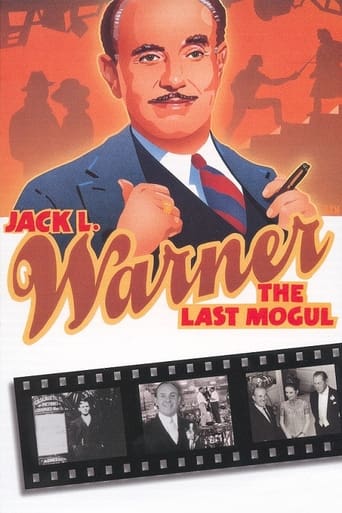
An insider's account of Jack Warner, a founding father of the American film industry. This feature length documentary provides the rags to riches story of the man whose studio - Warner Bros - created many of Hollywood's most classic films. Includes extensive interviews with family members and friends, film clips, rare home movies and unique location footage.
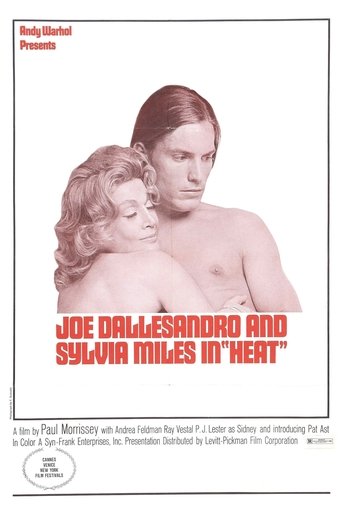
Former child star Joe Davis, reduced to living in a cheap Hollywood motel while struggling for acting jobs, is lusted after by nearly every woman he meets, including Jessica Todd, a tightly wound feminist who has recently come out as a lesbian. When Jessica's mother, Sally, an emotionally needy has-been actress, meets Joe, she moves him into her enormous, tacky mansion as her new boy toy and attempts to get him acting work.

This documentary captures the sounds and images of a nearly forgotten era in film history when African American filmmakers and studios created “race movies” exclusively for black audiences. The best of these films attempted to counter the demeaning stereotypes of black Americans prevalent in the popular culture of the day. About 500 films were produced, yet only about 100 still exist. Filmmaking pioneers like Oscar Micheaux, the Noble brothers, and Spencer Williams, Jr. left a lasting influence on black filmmakers, and inspired generations of audiences who finally saw their own lives reflected on the silver screen.

Born in Berlin in 1896, Lotte Eisner became famous for her passionate involvement in the world of both German and French cinema. In 1936, together with Henri Langlois, she founded the Cinémathèque Française with the goal of saving from destruction films, costumes, sets, posters, and other treasures of the 7th Art. A Jew exiled in Paris, she became a pillar of the capital's cultural scene, where she promoted German cinema.