

Exploding Plastic Inevitable
Music · Documentary
Overview
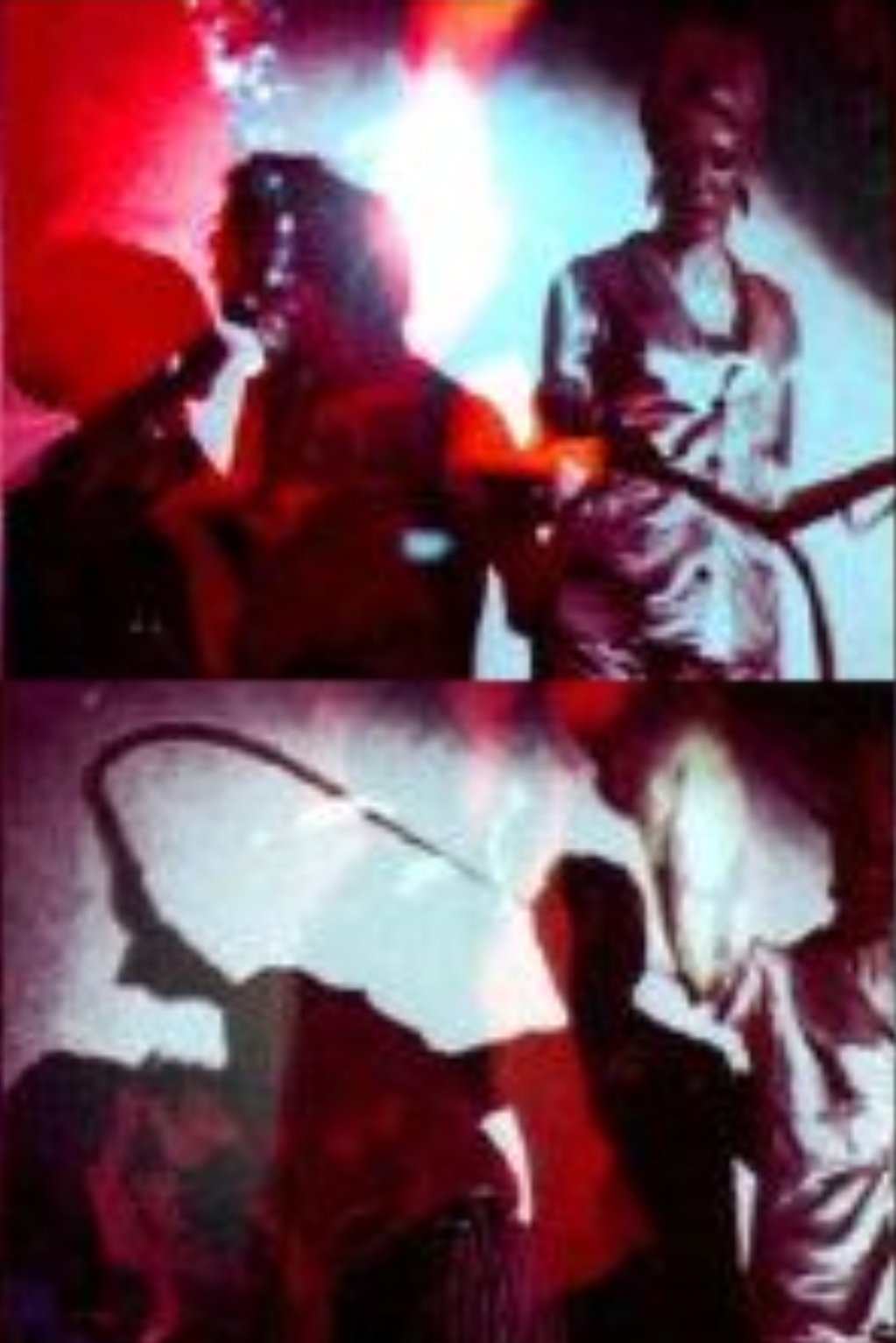
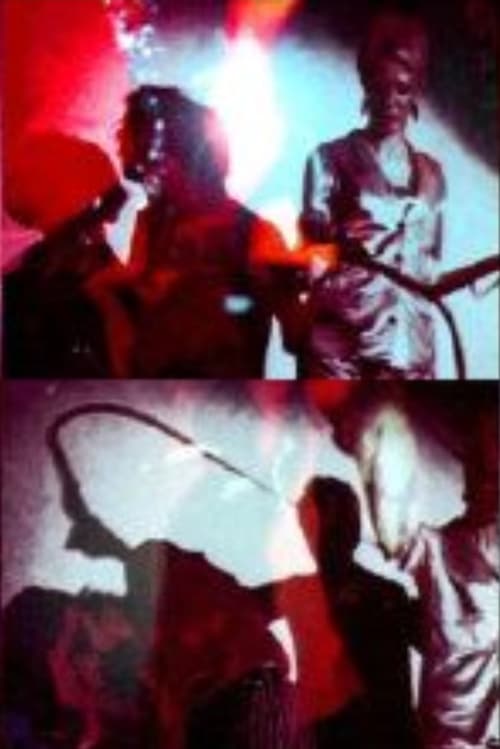
Exploding Plastic Inevitable was a series of multimedia events organised by Andy Warhol between 1966 and 1967, featuring musical performances by The Velvet Underground and Nico, screenings of Warhol's films, and dancing and performances by regulars of Warhol's Factory. It is also the title of a 18-minute film by Ronald Nameth filmed during one week of the show in Chicago, Illinois in 1966.





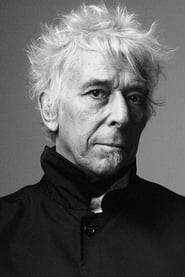
John Cale
John Cale
Himself
John Cale
Himself
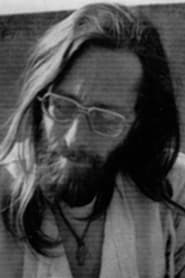
Angus MacLise
Angus MacLise
Himself
Angus MacLise
Himself
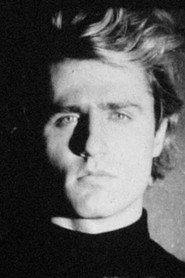
Gerard Malanga
Gerard Malanga
Himself
Gerard Malanga
Himself
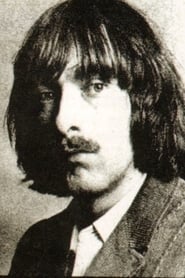
Sterling Morrison
Sterling Morrison
Himself
Sterling Morrison
Himself

Nico
Nico
Herself
Nico
Herself
Susan Pile
Susan Pile
Herself
Susan Pile
Herself
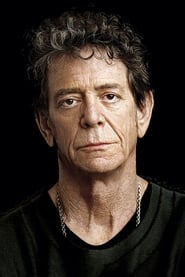
Lou Reed
Lou Reed
Himself
Lou Reed
Himself
Ingrid Superstar
Ingrid Superstar
Herself
Ingrid Superstar
Herself
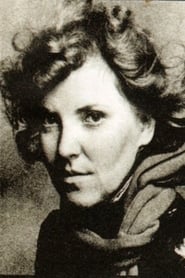
Maureen Tucker
Maureen Tucker
Herself
Maureen Tucker
Herself
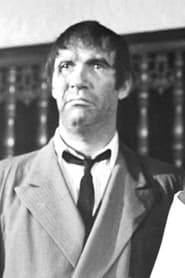
Edward Walsh
Edward Walsh
Himself
Edward Walsh
Himself
Similar Movies
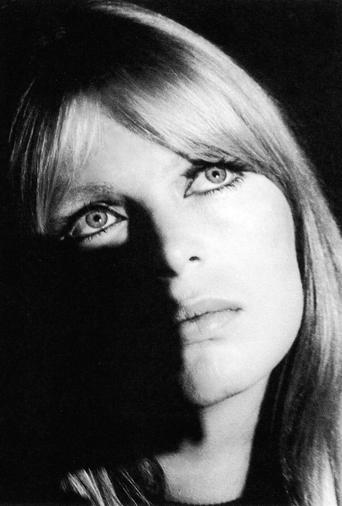
"Not a documentary but the the ruins of an attempted documentary." - Grashina Gabelmann Nico’s solo concert in West Berlin 1986. She’s high, giggly, not entirely there but her voice is still haunting and raspy and her presence still the one of a star. We see short clips of an interview held the same year in a hotel – an interview Gaul found somewhere, where he can not remember. We see footage borrowed from Andy Warhol’s estate. Footage of factory parties and screen tests.

Several key words emerge from Hugo Pratt's work, inseparable from his life: travel, adventure, erudition, esotericism, mystery, poetry, melancholy... and of course, Corto Maltese, his hero and alter ego, who established him as one of the greatest names in comic books. Born in Italy in 1927 and dying in Switzerland sixty-eight years later, Hugo Pratt, born without an H and with only one T, grew up in the shadow of a fascist father who took him at a very young age to Ethiopia, which was occupied by Mussolini's forces. The teenager developed a fascination for the wide-open spaces of Africa, soon followed by an irresistible attraction to the Indian world. This was the starting point for a life of travel, success, conquests, rare failures, and marked by his veneration for the American cartoonist Milton Caniff, his absolute master.

The story begins in the basement of a worn-out blues bar in Louisiana in the 1980s. A few regular customers are having a drink. A guitarist gets on stage and everybody comments on the newcomer. The guitarist draws the attention of the audience by tapping the microphone. He introduces himself. He will tell them the true story of Blind Boogie Jones.
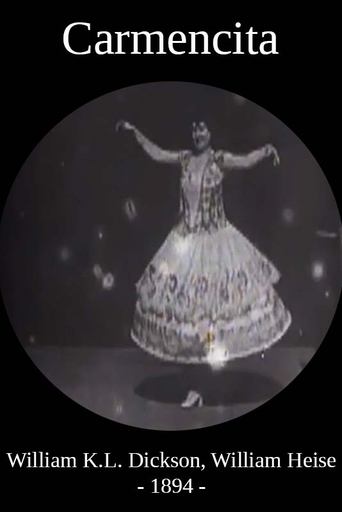
The first woman to appear in front of an Edison motion picture camera and possibly the first woman to appear in a motion picture within the United States. In the film, Carmencita is recorded going through a routine she had been performing at Koster & Bial's in New York since February 1890.
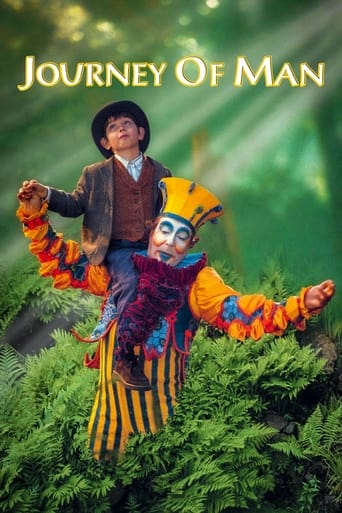
A child is born. We see underwater swimmers representing this. He is young, in a jungle setting, with two fanciful "instincts" guiding him as swooping bird-like acrobats initially menace, then delight. As an adolescent, he enters a desert, where a man spins a large cube of metal tubing. He leaves his instinct-guides behind, and enters a garden where two statues dance in a pond. As he watches their sensual acrobatics of love, he becomes a man. He is offered wealth (represented by a golden hat) by a devil figure. In a richly decorated room, a scruffy troupe of a dozen acrobats and a little girl reawaken the old man's youthful nature and love.
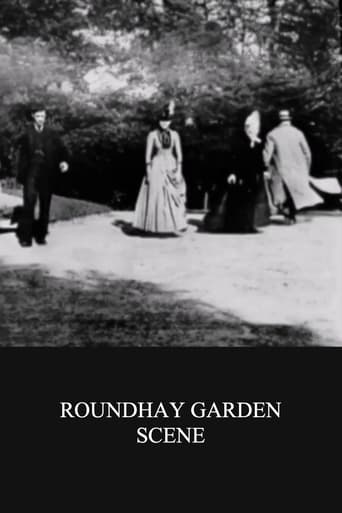
The earliest surviving motion-picture film, and believed to be one of the very first moving images ever created, was shot by Louis Aimé Augustin Le Prince using the LPCCP Type-1 MkII single-lens camera. It was taken on paper-based photographic film in the garden of Oakwood Grange, the Whitley family house in Roundhay, Leeds, West Riding of Yorkshire (UK), on 14 October 1888. The film shows Adolphe Le Prince (Le Prince’s son), Mrs. Sarah Whitley (Le Prince’s mother-in-law), Joseph Whitley, and Miss Harriet Hartley walking around in circles, laughing to themselves, and staying within the area framed by the camera. Roundhay Garden Scene is often associated with a recording speed of around 12 frames per second and runs for about 2 to 3 seconds.