

The East Is Red
Music · Drama
Overview
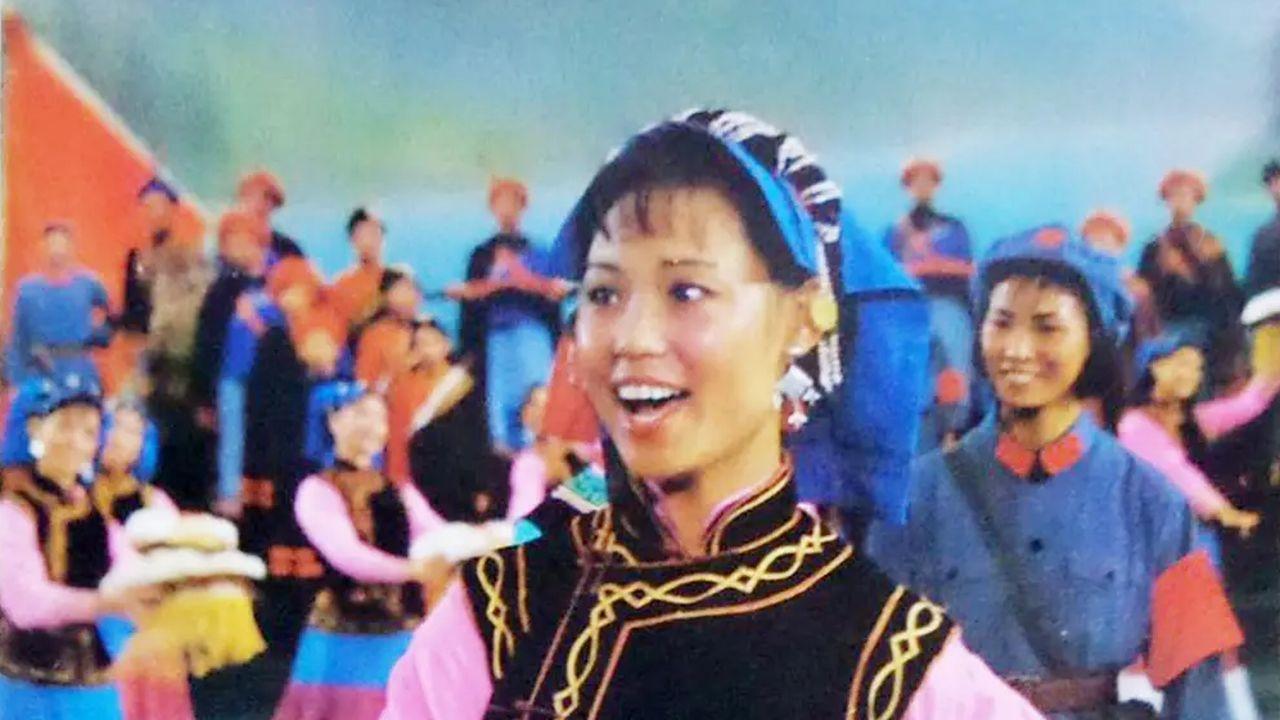
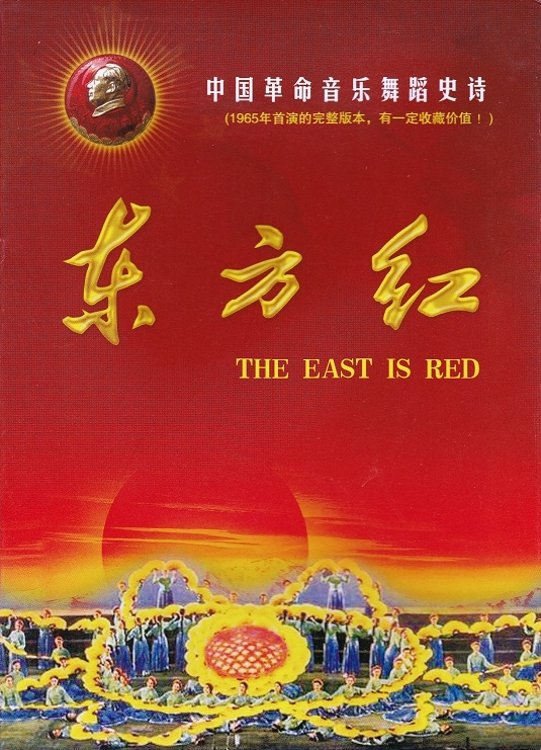
Pre-Cultural Revolution propaganda at its most lavish, this model opera depicts the history and evolution of the Communist Party of China under Mao Zedong from its founding in July 1921 to the establishment of "New China" in 1949. Detailed in the musical are several key events in CPC history such as the Northern Expedition, the KMT-led Shanghai massacre of 1927, the Nanchang Uprising and formation of the People's Liberation Army, the Long March and the founding of the PRC on October 1, 1949.
Top Cast






Wang Kun
Wang Kun
Singer
Wang Kun
Singer
Tseten Dolma
Tseten Dolma
Singer
Tseten Dolma
Singer
Hu Song Hua
Hu Song Hua
Singer
Hu Song Hua
Singer
Guo Lanying
Guo Lanying
Singer
Guo Lanying
Singer
Similar Movies
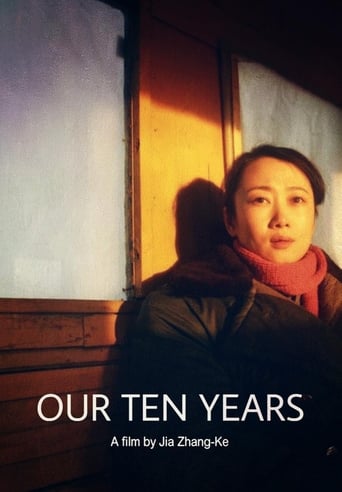
Throughout ten years of a key era in Chinese and Hong Kong history, a girl becomes fixated on a fellow commuter who she observes regularly. While the two never speak to one another, the girl captures her appearance and life changes during the years through various means such as photos and drawings.
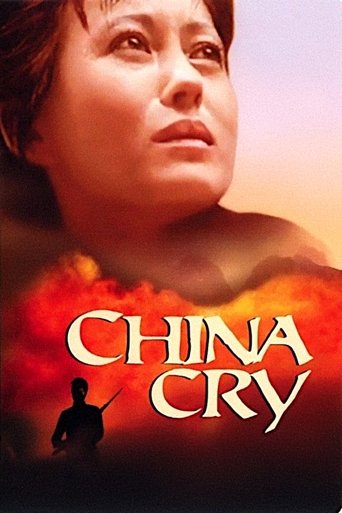
Young Sung Neng Yee, who is brought as part of a wealthy Chinese family. She is eager to become part of Mao Tze Tung's "new society", but soon becomes disenchanted by the economic misery the changes bring to her family. Before long, the authorities become aware of Neng Yee's feelings and she is taken to a labour camp, overseen by the sadistic Colonel Cheng.
As a young couple stops and rests in a small village inn, the man is abducted by Death and is sequestered behind a huge doorless, windowless wall. The woman finds a mystic entrance and is met by Death, who tells her three separate stories set in exotic locales, all involving circumstances similar to hers.
The film begins following the British victory of the first Opium War and the seizure of Hong Kong. Although the island is largely uninhabited and the terrain unfriendly, it has a large port that both the British government and various trading companies believe will be useful for the import of merchandise to be traded on mainland China, a highly lucrative market.
The film centres on Moncho and his coming-of-age experience in Galicia in 1936. Moncho develops a close relationship with his teacher Don Gregorio who introduces the boy to different things in the world. While the story centres on Moncho's ordinary coming-of-age experiences, tensions related to the looming Spanish Civil War periodically interrupt Moncho's personal growth and daily life.
The Tibetans refer to the Dalai Lama as 'Kundun', which means 'The Presence'. He was forced to escape from his native home, Tibet, when communist China invaded and enforced an oppressive regime upon the peaceful nation. The Dalai Lama escaped to India in 1959 and has been living in exile in Dharamsala ever since.