

Documentary · Music
Overview
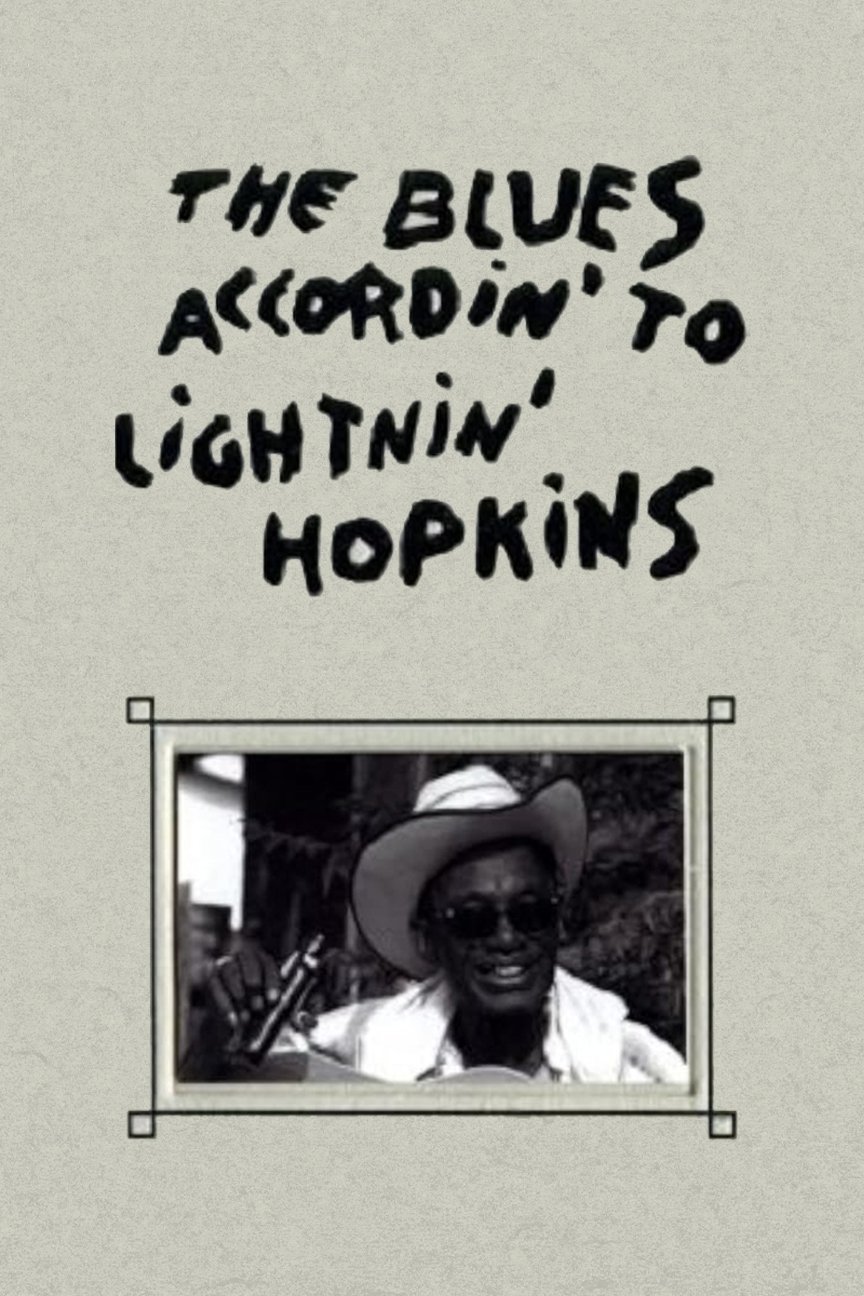
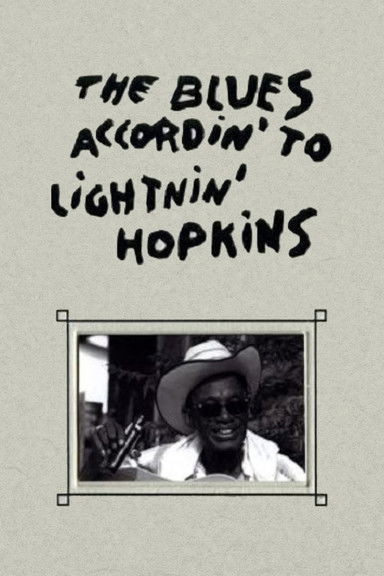
A musical portrait of Texas bluesman 'Lightnin' Hopkins. The film includes interviews and a performance by Hopkins. Preserved by the Academy Film Archive in 2002.


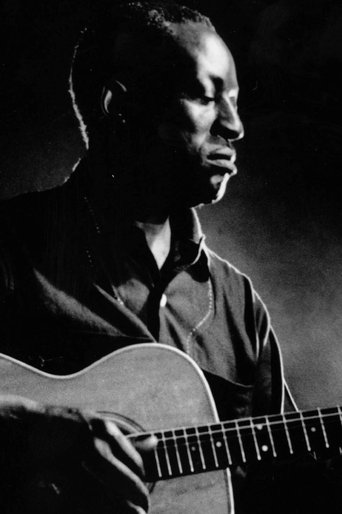

Lightnin' Hopkins
Lightnin' Hopkins
Self
Lightnin' Hopkins
Self
Billy Bizor
Billy Bizor
Self
Billy Bizor
Self
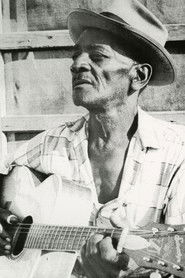
Mance Lipscomb
Mance Lipscomb
Self
Mance Lipscomb
Self
Ruth Ames
Ruth Ames
Self (as Ruth 'Blues' Ames)
Ruth Ames
Self (as Ruth 'Blues' Ames)
Similar Movies
This film traces the road of the Blues and takes us on a journey to mythical places: From the banks of the Niger to New Orleans, going up the Mississippi through Memphis to the skyscrapers of Chicago. It tells the story of this culture which faced the worst barriers and shows that Humanity can overcome barbarity.
Satyajit Ray's poetic documentary was commissioned by the Chogyal (King) of Sikkim at a time when he felt the sovereignty of Sikkim was under threat from both China and India. Ray's documentary is about the sovereignty of Sikkim. The film was banned by the government of India when Sikkim merged with India in 1975. The ban was finally lifted by the Ministry of External Affairs in September 2010. Preserved by the Academy Film Archive in 2007.
Produced by the Army Pictorial Service, Signal Corps, with the cooperation of the Army Air Forces and the United States Navy, and released by Warner Bros. for the War Activities Committee shortly after the surrender of Japan. Follow General Douglas MacArthur and his men from their exile from the Philippines in early 1942, through the signing of the instrument of surrender on the USS Missouri on September 1, 1945. Preserved by the Academy Film Archive in 2013.
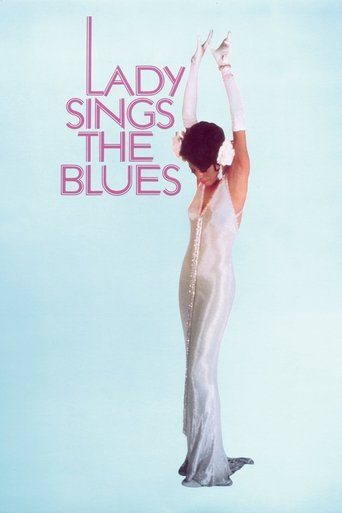
Chronicles the rise and fall of legendary blues singer Billie Holiday, beginning with her traumatic youth. The story depicts her early attempts at a singing career and her eventual rise to stardom, as well as her difficult relationship with Louis McKay, her boyfriend and manager. Casting a shadow over even Holiday's brightest moments is the vocalist's severe drug addiction, which threatens to end both her career and her life.
In the late 1980s, Tim Duffy, a penniless North Carolina musicology student, became deeply involved in Winston-Salem's drinkhouse music scene, an off-the-grid hotbed of gritty traditional blues. He began the foundation after observing and living with the deep poverty of the Southern blues artists he befriended and championed.The foundation now helps hundreds of older Southern musicians with everything from financial assistance to tour support. The film travels back to the early artists that were the inspiration for Music Maker, and forward to the current artists carrying on the Southern roots tradition. The film features performances, archival and contemporary, of Music Maker artists on tour and in the studio, as well as interviews with the artists and Duffy on the foundation, music and the blues.
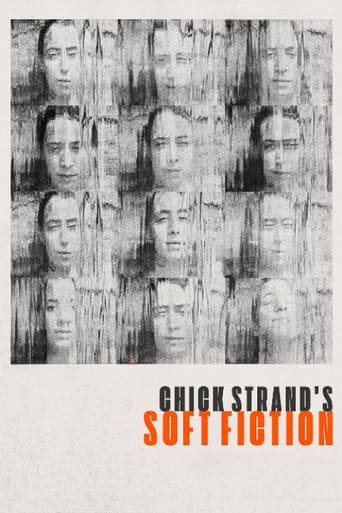
Chick Strand's SOFT FICTION is a personal documentary that brilliantly portrays the survival power of female sensuality. It combines the documentary approach with a sensuous lyrical expressionism. Strand focuses her camera on people talking about their own experience, capturing subtle nuances in facial expressions and gestures that are rarely seen in cinema. Preserved by the Academy Film Archive in partnership with The Film Foundation in 2015.

This short focuses on the job of the costume designer in the production of motion pictures. The costume designer must design clothing that is correct for the film historically and geographically, and must be appropriate for the mood of the individual scene. We see famed costume designer Edith Head at work on a production. The Costume Designer was part of The Industry Film Project, a twelve-part series produced by the film studios and the Academy. Each series episode was produced to inform the public on a specific facet of the motion picture industry. Preserved by the Academy Film Archive in 2012.

This film documents the coal miners' strike against the Brookside Mine of the Eastover Mining Company in Harlan County, Kentucky in June, 1973. Eastover's refusal to sign a contract (when the miners joined with the United Mine Workers of America) led to the strike, which lasted more than a year and included violent battles between gun-toting company thugs/scabs and the picketing miners and their supportive women-folk. Director Barbara Kopple puts the strike into perspective by giving us some background on the historical plight of the miners and some history of the UMWA. Preserved by the Academy Film Archive in partnership with New York Women in Film & Television in 2004.