

Gates to Paradise
History · Drama
Overview
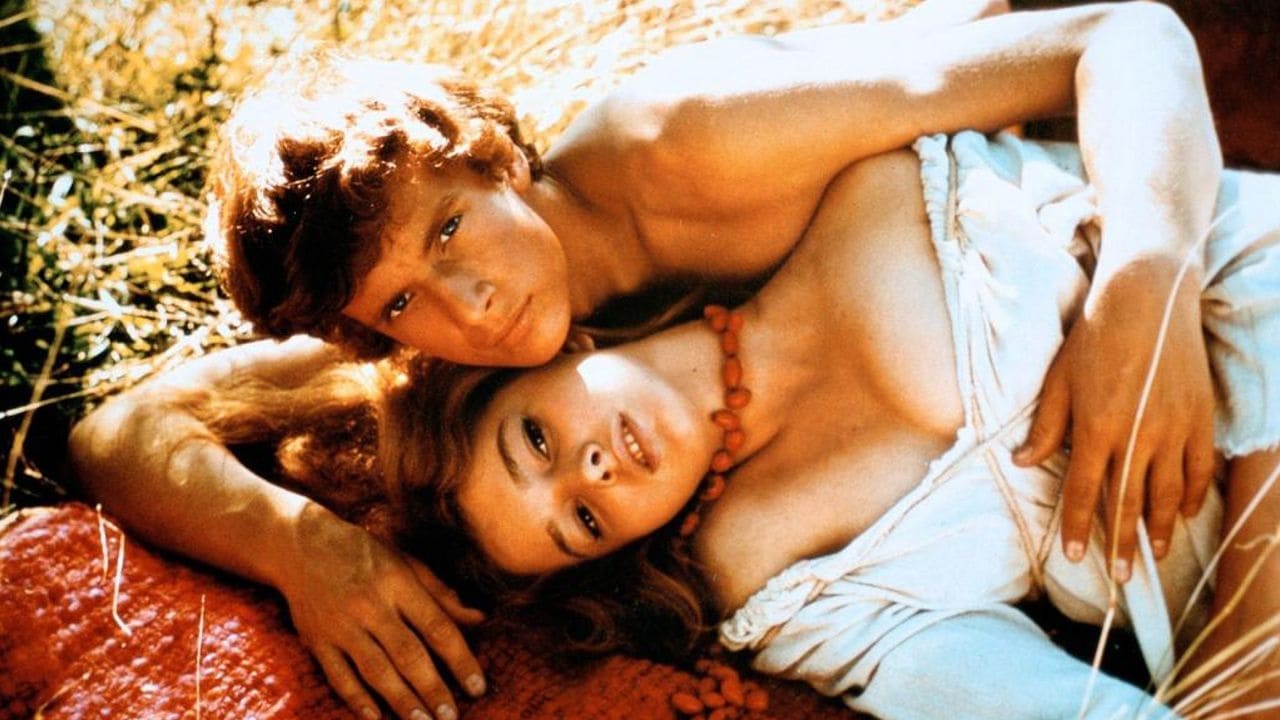
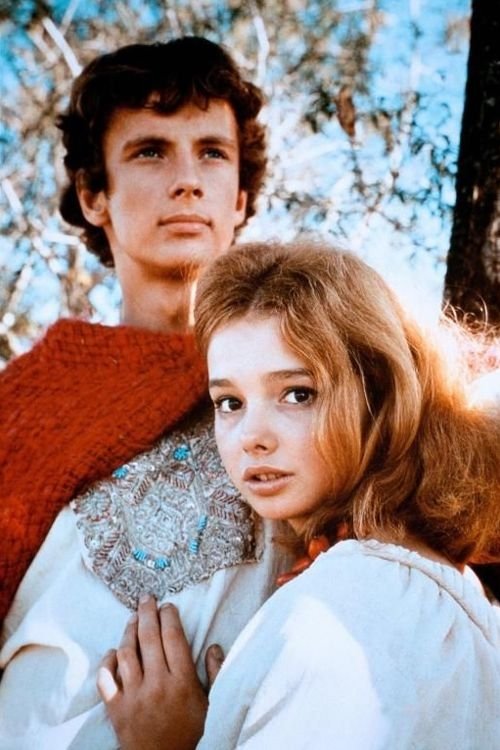
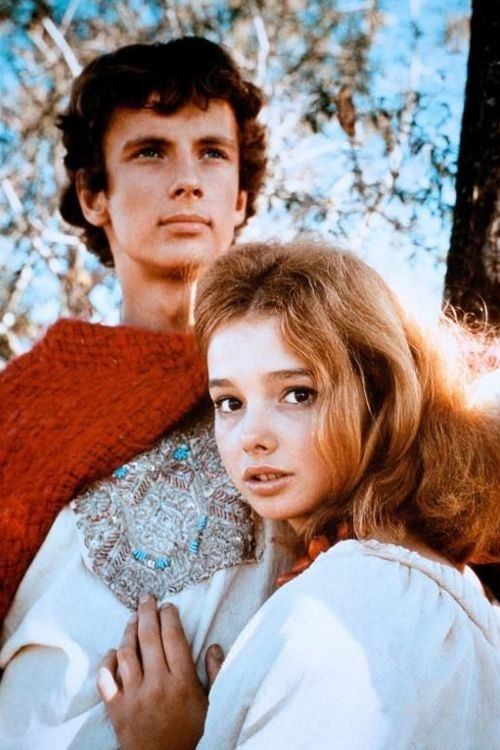
In 1212, a Children's Crusade is launched after a young shepherd, Jacques de Cloyes, claims to have had a vision in which it is said that the innocence of children would be able to liberate Jerusalem. A monk, returning from Holy Land, joins the crusade and hears the children's confessions, gradually realizing that most of them are taking part not for religious, but for more worldly reasons, like rejected love and hopes for freedom, the true nature of their enthusiasm is homosexual. In fact, if the children follow Jacques, it is more for romantic than religious reasons. They take literally the famous phrase: “Love one another”.
Top Cast

Lionel Stander
The Monk
John Fordyce
Jacques de Cloyes
Mathieu Carrière
Alexis Melissen

Ferdy Mayne
Count Ludovic de Vendôme

Pauline Challoner
Blanche

Jenny Agutter
Maud de Cloyes
Denis Gilmore
Robert
Kynaston Reeves
The Prior
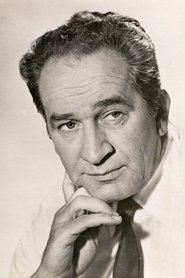
Janez Vrhovec
François

Dragomir Felba
Crusader 1
Gojko Kovačević
Crusader 2
Ljubomir Radović
Crusader 3









Lionel Stander
Lionel Stander
The Monk
Lionel Stander
The Monk
John Fordyce
John Fordyce
Jacques de Cloyes
John Fordyce
Jacques de Cloyes
Mathieu Carrière
Mathieu Carrière
Alexis Melissen
Mathieu Carrière
Alexis Melissen
Ferdy Mayne
Ferdy Mayne
Count Ludovic de Vendôme
Ferdy Mayne
Count Ludovic de Vendôme
Pauline Challoner
Pauline Challoner
Blanche
Pauline Challoner
Blanche
Jenny Agutter
Jenny Agutter
Maud de Cloyes
Jenny Agutter
Maud de Cloyes
Denis Gilmore
Denis Gilmore
Robert
Denis Gilmore
Robert
Kynaston Reeves
Kynaston Reeves
The Prior
Kynaston Reeves
The Prior
Janez Vrhovec
Janez Vrhovec
François
Janez Vrhovec
François
Dragomir Felba
Dragomir Felba
Crusader 1
Dragomir Felba
Crusader 1
Similar Movies
As played out by a theatre troupe, the last days of Jesus Christ are depicted from the perspective of Judas Iscariot, his betrayer. As Jesus' following increases, Judas begins to worry that Jesus is falling for his own hype, forgetting the principles of his teachings and growing too close to the prostitute Mary Magdalene.

Befriended by aristocrat Sebastian Flyte, Oxford student Charles Ryder finds that the power and privilege experienced by the family is seductive. On a visit to the ancestral home, Brideshead, he falls in love with his friend's sister, Julia. However, as his ties to the Flytes deepen, Ryder finds himself at odds with their strong Roman Catholicism.
Although based on a novel by Georges Simenon, director (and songwriter) Serge Gainsbourg has superimposed several dark emotions and a subtle brutality over the weak plot about a man's trip to Africa and his unfortunate passion for a murderess whose amorality sends the disillusioned fellow back to Europe. Sometimes described as frustrating and self-centered, reactions to this film swing across a broad spectrum of complaints -- not the least might be whether or not Gainsbourg is using a clichéd and stereotypical view of "dark Africa" to convey what he sees in his characters.

Sayaka, a high school student, kills herself but the reason behind her suicide is unknown. She appeared to have led a normal life with her family. Her mother Rumiko seemed to have raised Sayaka with love and care. In reality, that does not seem to be the case. When the mother and daughter recall the same incidents that took place in the past, they tell very different stories.

Charley, a cyborg vampire who does the Vatican's dirty work, is the thrall of the local vampire playboy Johnny Rayflo. As the two fight crime—and each other—hilarity, violence and sacrilege ensue! But can Charley resist his own desperate cravings for blood? Find out as the devilish duo go up aginst a childlike vampire princess, a mysterious branch of the Unitarian Church...and one another.

Seibei Iguchi leads a difficult life as a low ranking samurai at the turn of the nineteenth century. A widower with a meager income, Seibei struggles to take care of his two daughters and senile mother. New prospects seem to open up when the beautiful Tomoe, a childhood friend, comes back into he and his daughters' life, but as the Japanese feudal system unravels, Seibei is still bound by the code of honor of the samurai and by his own sense of social precedence. How can he find a way to do what is best for those he loves?

In 1979 Cuba, flamboyant gay artist Diego attempts to seduce straitlaced David, an idealistic young communist, and fails dismally. But David conspires to be "friends" with Diego so he can monitor the artist's subversive life for the state. As Diego and David discuss politics, individuality and personal expression in Castro's Cuba, a genuine friendship develops between the two.