

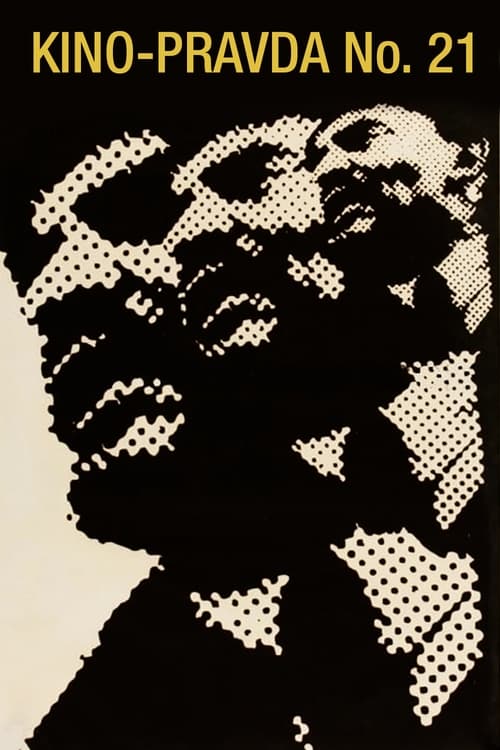
Kino-Pravda No. 21: Lenin Kino-Pravda. A Film Poem About Lenin
Documentary
Overview
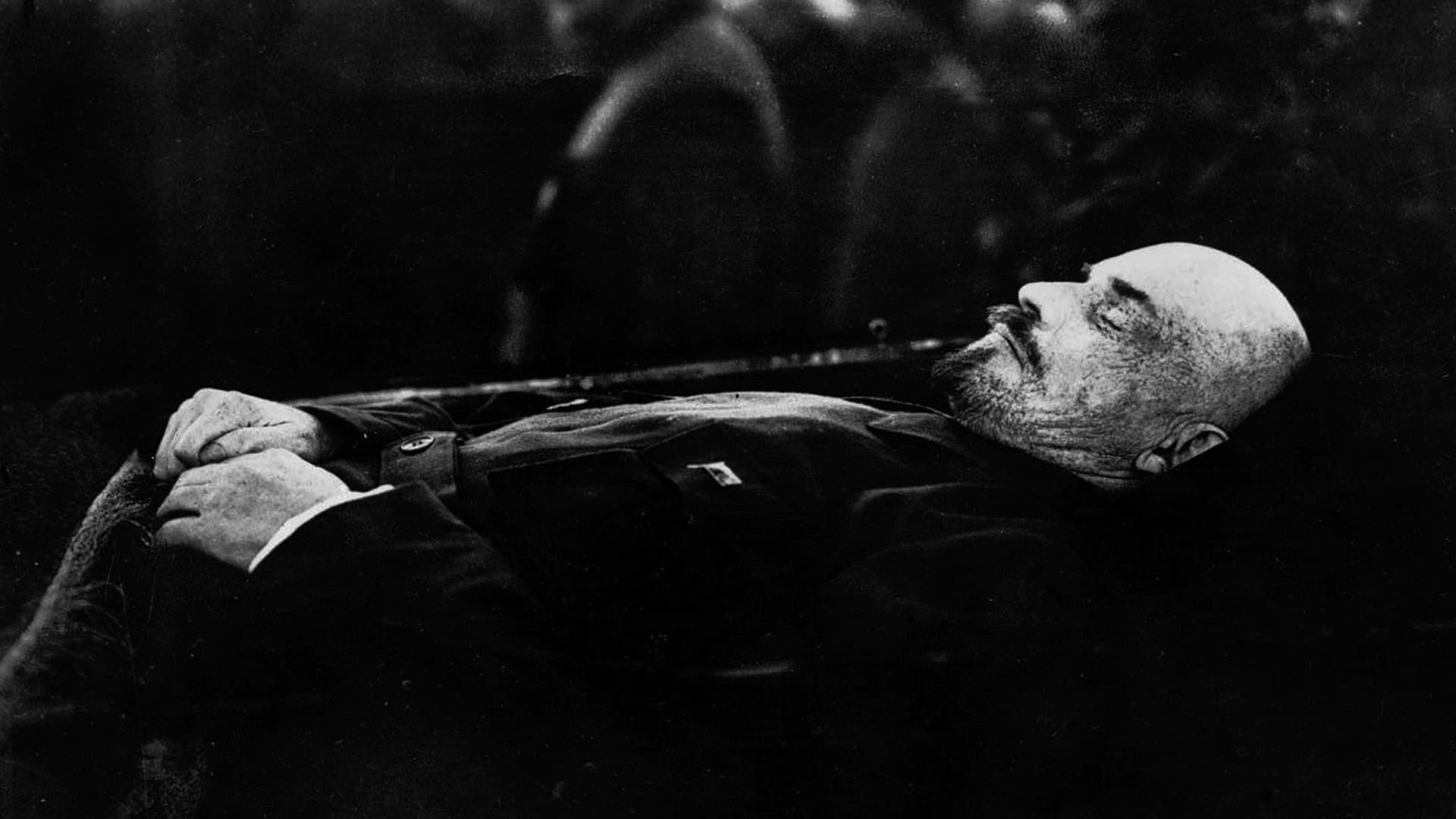
Dziga Vertov-directed Soviet newsreel made to commemorate the first anniversary of the death of Vladimir Ilich Lenin (21st January 1924 - 1925) drawn from 'The Final Journey', a Pravda feuilleton written on the occasion of Lenin's funeral by the man who had introduced Vertov to cinema, Mikhail Koltsov. Contains: First anniversary of Lenin's death: 1. Assassination attempt on Lenin and Soviet Russia's progress under his leadership / 2. Lenin's illness, death and funeral / 3. The year after Lenin's death
Top Cast
Vladimir Lenin
Himself (archive footage)
Joseph Stalin
Himself (archive footage)
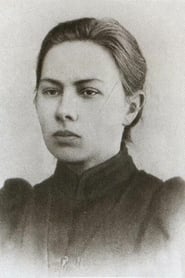
Nadezhda Krupskaya
Herself (archive footage)
Anna Ulyanova
Herself (archive footage)
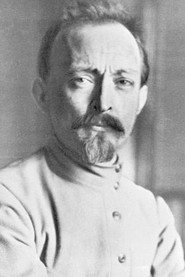
Felix Dzerzhinsky
Himself (archive footage)
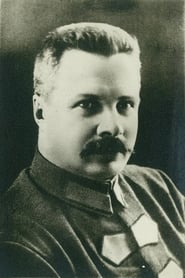
Mikhail Frunze
Himself (archive footage)
Leonid Krasin
Himself (archive footage)
Yemelyan Yaroslavsky
Himself (archive footage)

Mikhail Kalinin
Himself (archive footage)
Clara Zetkin
Herself (archive footage)
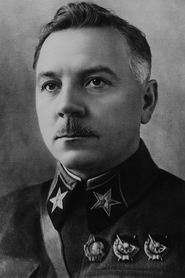
Kliment Voroshilov
Himself (archive footage)
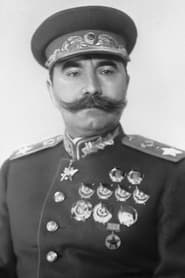
Semyon Budyonny
Himself (archive footage)



Vladimir Lenin
Vladimir Lenin
Himself (archive footage)
Vladimir Lenin
Himself (archive footage)
Joseph Stalin
Joseph Stalin
Himself (archive footage)
Joseph Stalin
Himself (archive footage)
Nadezhda Krupskaya
Nadezhda Krupskaya
Herself (archive footage)
Nadezhda Krupskaya
Herself (archive footage)
Anna Ulyanova
Anna Ulyanova
Herself (archive footage)
Anna Ulyanova
Herself (archive footage)
Felix Dzerzhinsky
Felix Dzerzhinsky
Himself (archive footage)
Felix Dzerzhinsky
Himself (archive footage)
Mikhail Frunze
Mikhail Frunze
Himself (archive footage)
Mikhail Frunze
Himself (archive footage)
Leonid Krasin
Leonid Krasin
Himself (archive footage)
Leonid Krasin
Himself (archive footage)
Yemelyan Yaroslavsky
Yemelyan Yaroslavsky
Himself (archive footage)
Yemelyan Yaroslavsky
Himself (archive footage)
Mikhail Kalinin
Mikhail Kalinin
Himself (archive footage)
Mikhail Kalinin
Himself (archive footage)
Clara Zetkin
Clara Zetkin
Herself (archive footage)
Clara Zetkin
Herself (archive footage)
Similar Movies
December 31, 2015. The Valencian bookstore Valdeska closed its doors permanently after forty years of activity. The result of four years of monitoring and filming, these 31 minuts of run time are part of a book unread, unknown and undiscovered. "Me voy. Me voy" it's not the story of a bookstore, not the portrait of an exceptional bookseller, it's a will to attach the things in the filmed image, to make something lasting showing the moment of its disappearence.

One Thousand and One Attempts to Be an Ocean reflects on the experience of not being able to see the world with depth perception. Made up of micro-events from "satisfying video" that swarm on the internet, the abstract narrative unfolds through an appropriation way by referring to trance and minimal music. It's about a desire for groundless waves, blended with today's inexorable entropy of our information societies.
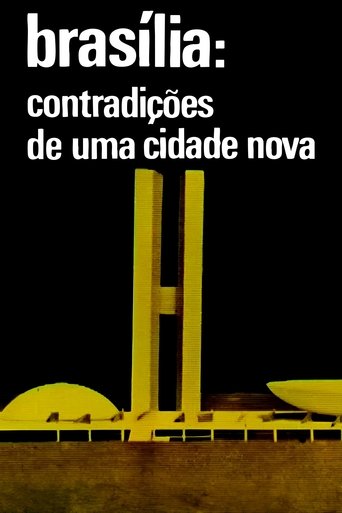
In 1967, de Andrade was invited by the Italian company Olivetti to produce a documentary on the new Brazilian capital city of Brasília. Constructed during the latter half of the 1950s and founded in 1960, the city was part of an effort to populate Brazil’s vast interior region and was to be the embodiment of democratic urban planning, free from the class divisions and inequalities that characterize so many metropolises. Unsurprisingly, Brasília, Contradições de uma Cidade Nova (Brasília, Contradictions of a New City, 1968) revealed Brasília to be utopic only for the wealthy, replicating the same social problems present in every Brazilian city. (Senses of Cinema)
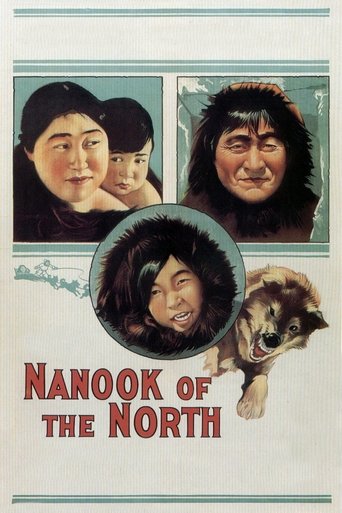
This pioneering documentary film depicts the lives of the indigenous Inuit people of Canada's northern Quebec region. Although the production contains some fictional elements, it vividly shows how its resourceful subjects survive in such a harsh climate, revealing how they construct their igloo homes and find food by hunting and fishing. The film also captures the beautiful, if unforgiving, frozen landscape of the Great White North, far removed from conventional civilization.