

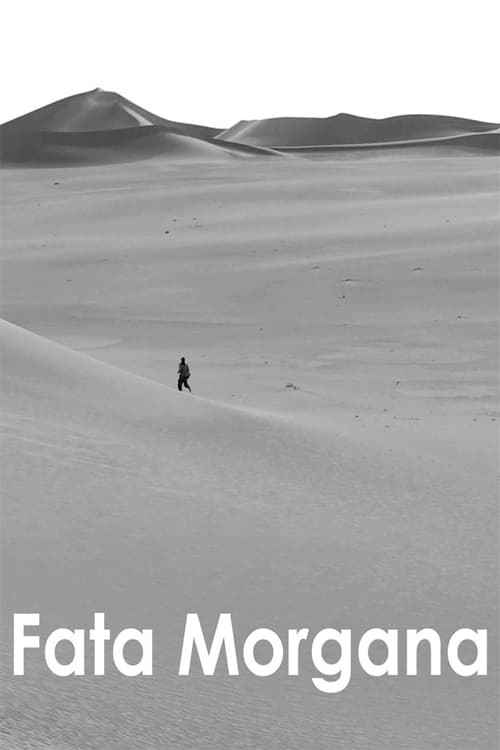
Fata Morgana
Documentary
Overview
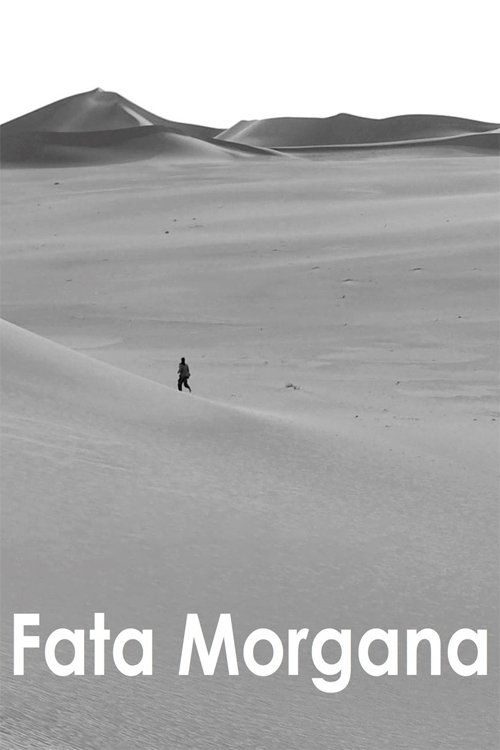
Following Bellavista and Totó, Peter Schreiner completes his informal trilogy of epic, black-and-white digital-video essay-films with the utterly monumental Fata Morgana. Shot in the Libyan desert and in an abandoned building in Lausitz, Germany, it features a man (Christian Schmidt), a woman (Giuliana Pachner, from Bellavista) - and, glimpsed now and again, a guide (Awad Elkish.) They talk, they fall silent. Winds blow. The sun shines. The camera runs. What gradually takes shape is nothing less than a painstakingly concentrated attempt to understand the human condition through the lens of cinema. A lofty ambition, and one that demands a considerable leap of faith on the part of the audience: this film is sedate, "difficult", challenging, often apparently impenetrable. But anyone who has seen Schreiner's previous films will be aware that he is by any standards a major artist, one that can be trusted to find places that other directors may not even suspect exist.
Top Cast
Giuliana Pachner
Giuliana Pachner
Giuliana Pachner
Christian Schmidt
Christian Schmidt
Christian Schmidt
Awad Elkish
Awad Elkish
Awad Elkish
Similar Movies
This documentary aims to register this unknown side of James Joyce: His Greek Notebooks. Trieste. Bloomsday, 2013. Dance in slow motion, accompanied by text. By deconstructing the body, we turn it into a memory: of the body, of life, of texts. The biographical references to Joyce and Mando Aravantinou, combined with the diagonal slicing of the image, cancel the realism of the landscape, including that of the Narrator’s space/study. As a culmination, Joyce’s letter “A request for a loan in Greek” functions as a timely denunciation. Various routes through cities, such as Trieste, London, New York, and Athens; languages such as Greek and English. In addition to the primal myth of Ulysses, there is another issue: Greek is “the language of the subject of Ulysses”
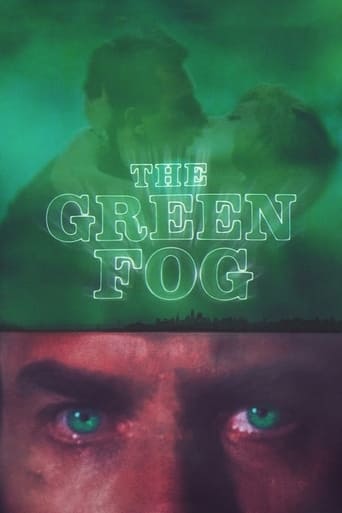
A tribute to a fascinating film shot by Alfred Hitchcock in 1958, starring James Stewart and Kim Novak, and to the city of San Francisco, California, where the magic was created; but also a challenge: how to pay homage to a masterpiece without using its footage; how to do it simply by gathering images from various sources, all of them haunted by the curse of a mysterious green fog that seems to cause irrepressible vertigo…
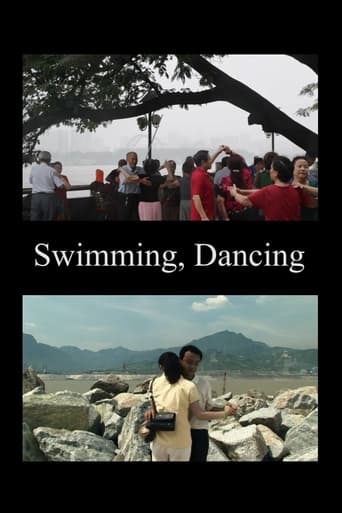
Swimming, Dancing examines audiovisual representations of the Yangtze (1934–present), from silent film to video art to the contemporary vlog. Inspired by the city symphonies of the 1920s, Swimming, Dancing pieces together a “river symphony”, evoking the images, sounds and contradictions that make up the river’s turbulent history.
The cooking show is as old as television itself. But why do we like watching the making of a meal that most of us will never cook, let alone eat? Dirty Furniture’s jam-packed video essay is a rollercoaster ride through the history of the genre, at once a staple of television viewing and a hotpot of shifting perspectives and sociocultural values.

Born June 8, 1964, Frank Matter films four "twins", born the same day as him, but in other latitudes. Interweaving their life stories with rich archival material, the filmmaker links these Parallel Lives with elements from his own biography, to compose a fascinating fresco where intimate trajectories are part of the advent of the global village.