

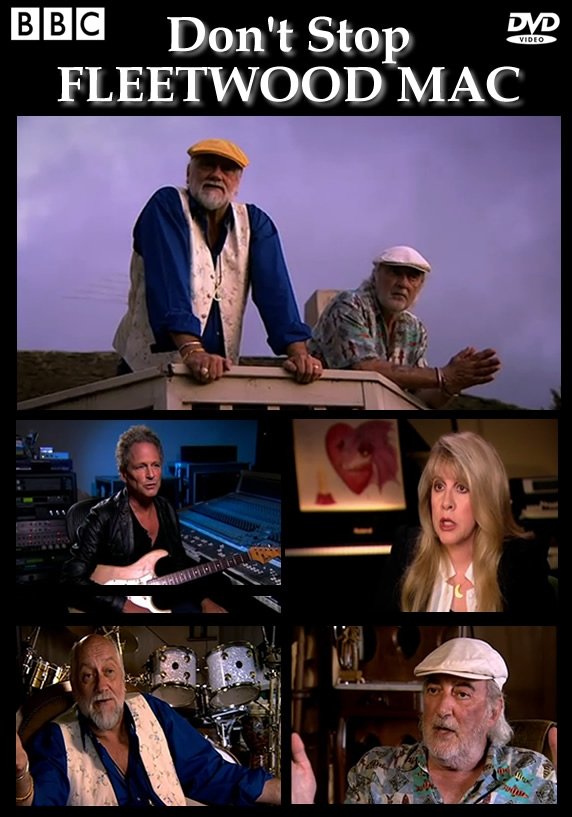
Fleetwood Mac - Don't Stop
Music · Documentary
Overview
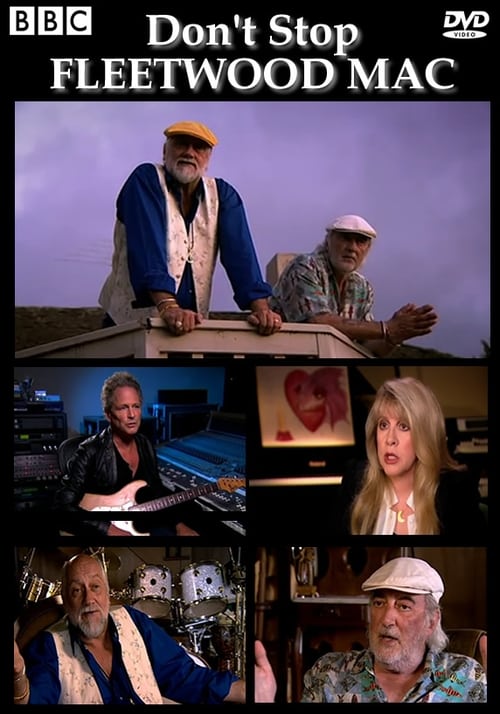
Fleetwood Mac are one of the biggest-selling bands of all time and still on the road. Their story, told in their own words, is an epic tale of love and confrontation, of success and loss. Few bands have undergone such radical musical and personal change. The band evolved from the 60s British blues boom to perfect a US West Coast sound that saw them sell 40 million copies of the album Rumours. However, behind the scenes relationships were turbulent. The band went through multiple line-ups with six different lead guitarists. While working on Rumours, the two couples at the heart of the band separated, yet this heartache inspired the perfect pop record.


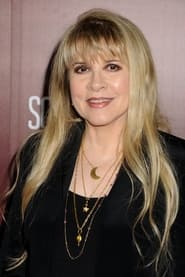
Stevie Nicks
Stevie Nicks
Self
Stevie Nicks
Self
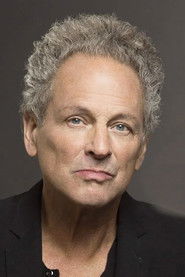
Lindsey Buckingham
Lindsey Buckingham
Self
Lindsey Buckingham
Self
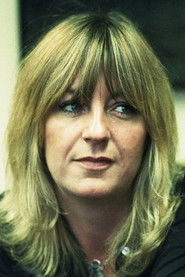
Christine McVie
Christine McVie
Self
Christine McVie
Self
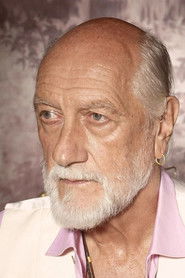
Mick Fleetwood
Mick Fleetwood
Self
Mick Fleetwood
Self
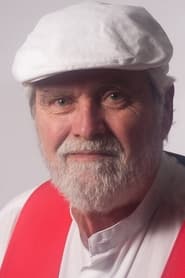
John McVie
John McVie
Self
John McVie
Self
Similar Movies
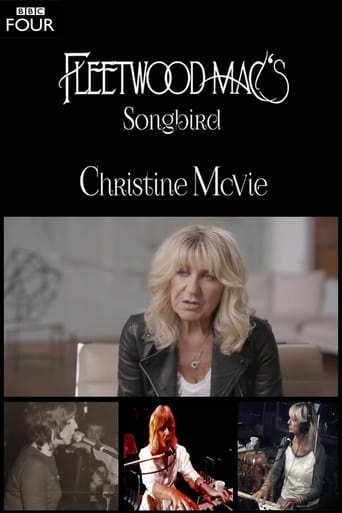
Christine McVie is undoubtedly the longest-serving female band member of any of the enduring rock ‘n’ roll acts that emerged from the 1960s. While she has never fronted Fleetwood Mac, preferring to align herself with ‘the boys’ in the rhythm section whom she first joined 50 years ago, Christine is their most successful singer-songwriter. Her hits include ‘Over My Head’, ‘Don’t Stop’ and ‘Everywhere’. After massive global success in both the late 1970s and mid-1980s, Christine left the band in the late 1990s, quitting California and living in semi-retirement in Kent, only to rejoin the band in 2013. In this 90-minute film, this most English of singers finally gets to take centre-stage and tell both her story and the saga of Fleetwood Mac from her point of view.
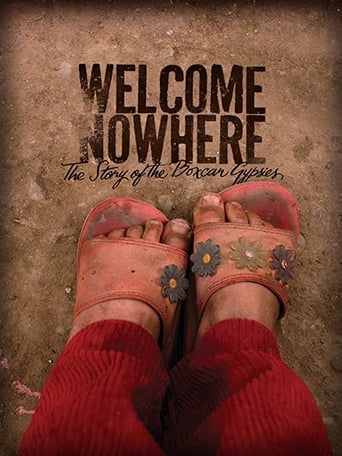
Narrated by Ethan Hawke, Welcome Nowhere tells the true story of a community of Roma people (commonly known as Gypsies) who live in old train boxcars in Sofia, Bulgaria after being forcibly evicted from their homes. Without bathrooms for more than 200 people, they struggle to survive, waiting for help from the government that never seems to come.
In 1967 Canadian filmmaker Hugh O'Connor came with a crew to eastern Kentucky to make a film showing people from all walks of life in the United States. They finished the day by filming coal miners and their families in rental houses. As the filmmakers were leaving, Hobart Ison, the owner of the property, drove up and fired three shots, killing Hugh O'Connor. Elizabeth Barrett, from Kentucky herself, explores why this happened by trying to understand the people and culture of eastern Kentucky.
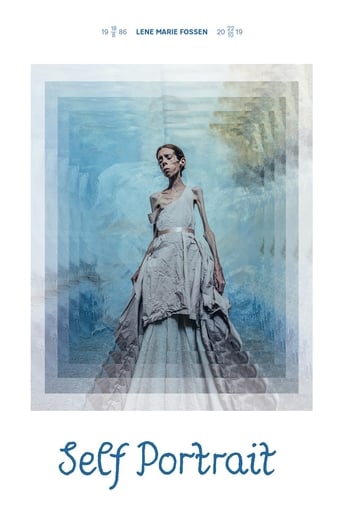
The documentary is a portrait of an artist and a portrait of a deadly disease. Lene Marie Fossen was a gifted photographer who suffered from severe anorexia. Self Portrait is a film about the power of art and survival, but it also raises important questions about what treatment one who suffers from severe anorexia needs.