

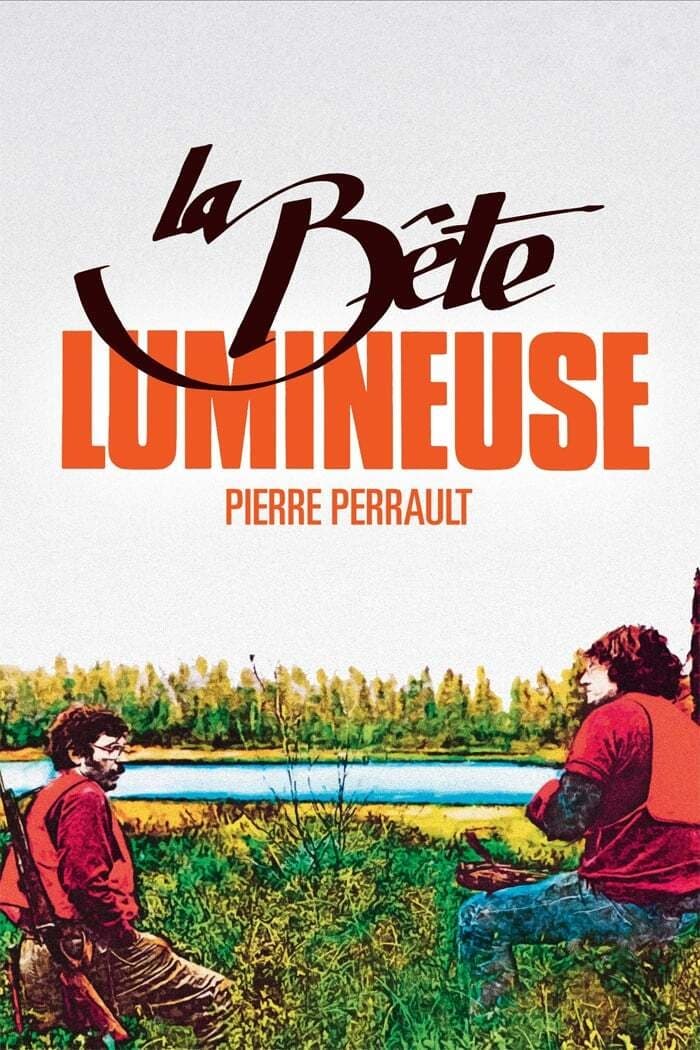
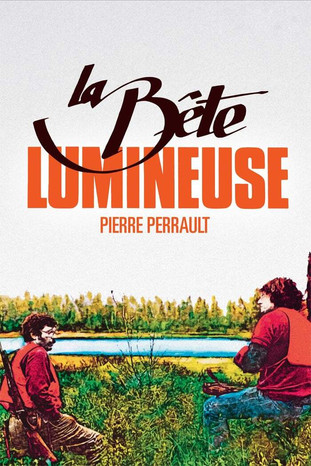
The Shimmering Beast
Documentary
Overview
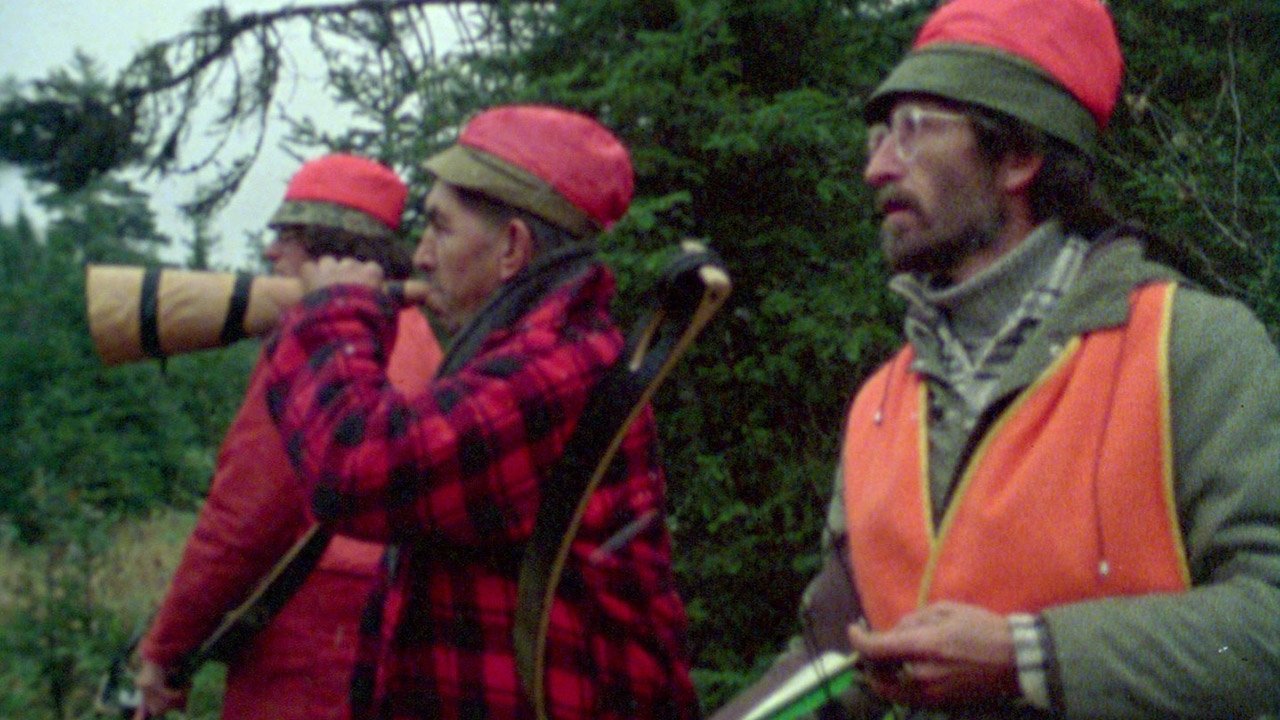
A documentary film about a group of hunters who gather annually to hunt moose near Maniwaki, Quebec.
Top Cast


Louis-Philippe Lécuyer
Louis-Philippe Lécuyer
Canotier
Louis-Philippe Lécuyer
Canotier
Philippe Cross
Philippe Cross
Canotier
Philippe Cross
Canotier
Stéphane-Albert Boulais
Stéphane-Albert Boulais
Archer
Stéphane-Albert Boulais
Archer
Maurice Chaillot
Maurice Chaillot
Archer
Maurice Chaillot
Archer
Bernard L'Heureux
Bernard L'Heureux
Orignal
Bernard L'Heureux
Orignal
Michel Guyot
Michel Guyot
Orignal
Michel Guyot
Orignal
Barney Descontie
Barney Descontie
Barney the Guide
Barney Descontie
Barney the Guide
Maurice Aumont
Maurice Aumont
Chasseur d'ours
Maurice Aumont
Chasseur d'ours
Claude Lauriault
Claude Lauriault
Chasseur d'ours
Claude Lauriault
Chasseur d'ours
Laurier Prévost
Laurier Prévost
Laurier the Table Constructor
Laurier Prévost
Laurier the Table Constructor
Similar Movies
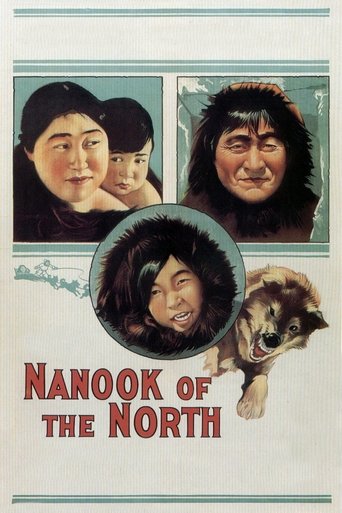
This pioneering documentary film depicts the lives of the indigenous Inuit people of Canada's northern Quebec region. Although the production contains some fictional elements, it vividly shows how its resourceful subjects survive in such a harsh climate, revealing how they construct their igloo homes and find food by hunting and fishing. The film also captures the beautiful, if unforgiving, frozen landscape of the Great White North, far removed from conventional civilization.
Gilles Groulx's first film shot in 1955 with a camera borrowed from his brother and edited during his spare time when he worked as an editor at the Radio-Canada news service a few years before he joined the NFB. Silent film, presented as its author left it, where the soil and the dialectic of Groulx's work are already there: documentary realism, the social space to be explored, daily life, the relationship between individual and society, social disparities, the consumer society, seduction and happiness.
This feature-length documentary brings together six of the rare television interviews given by Gilles Groulx between 1966 and 1983. Through these interviews, the filmmaker's ethical and aesthetic concerns are revealed. A striking coherence emerges in his thinking regarding his conception of cinema and the role the filmmaker should play in his culture and society.
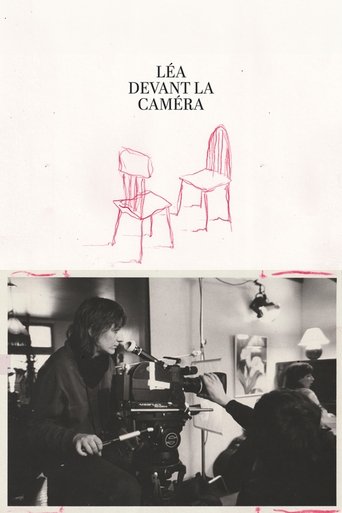
Revisiting her film set photos, director Léa Pool reflects on her prolific career. The filmmaker left Switzerland at the age of 25 to settle in Quebec and embark on a surprising career. She reinvents herself from film to film, exploring themes that deeply resonate with her: identity, exile, maternal absence, transitional spaces... In both documentary and fiction, she has directed 20 feature films that feature strong female characters and contemporary issues. Somewhere between a masterclass and an intimate conversation, this documentary invites Léa to share her cinematic journey in front of the camera.
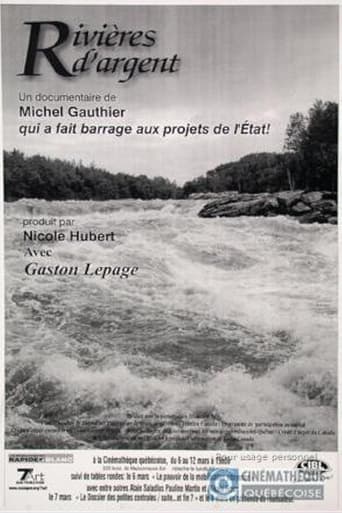
In 2001, the government of Quebec announced a new program to issue permits for the construction of private hydroelectric dams at specific sites. Upset, the population took things into their own hands and decided to act. Citizens formed collectives to protect their waterways, among the most beautiful in the province. This documentary follows several artist and citizen groups who led a crusade to force the Québec government to abandon private hydro-electrical production. It is a thorough inquiry on the environmental impact and other repercussions of such projects.
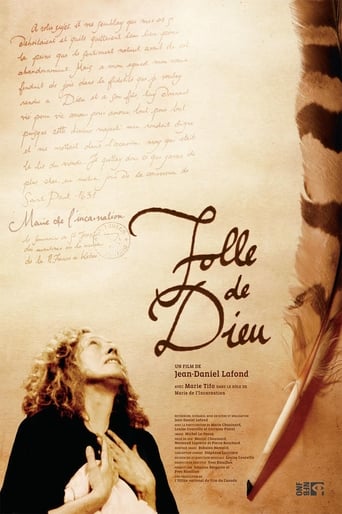
This feature-length film tells the story of the passion between Marie de l’Incarnation, a mid-seventeenth-century nun and God, her "divine spouse." Fusing documentary and acting by Marie Tifo, whom we follow as she rehearses for this demanding role, the film paints an astonishing portrait of this mystic who abandoned her son and left France to build a convent in Canada, where she became the first female writer in New France.