


We Were Children
Documentary
Overview
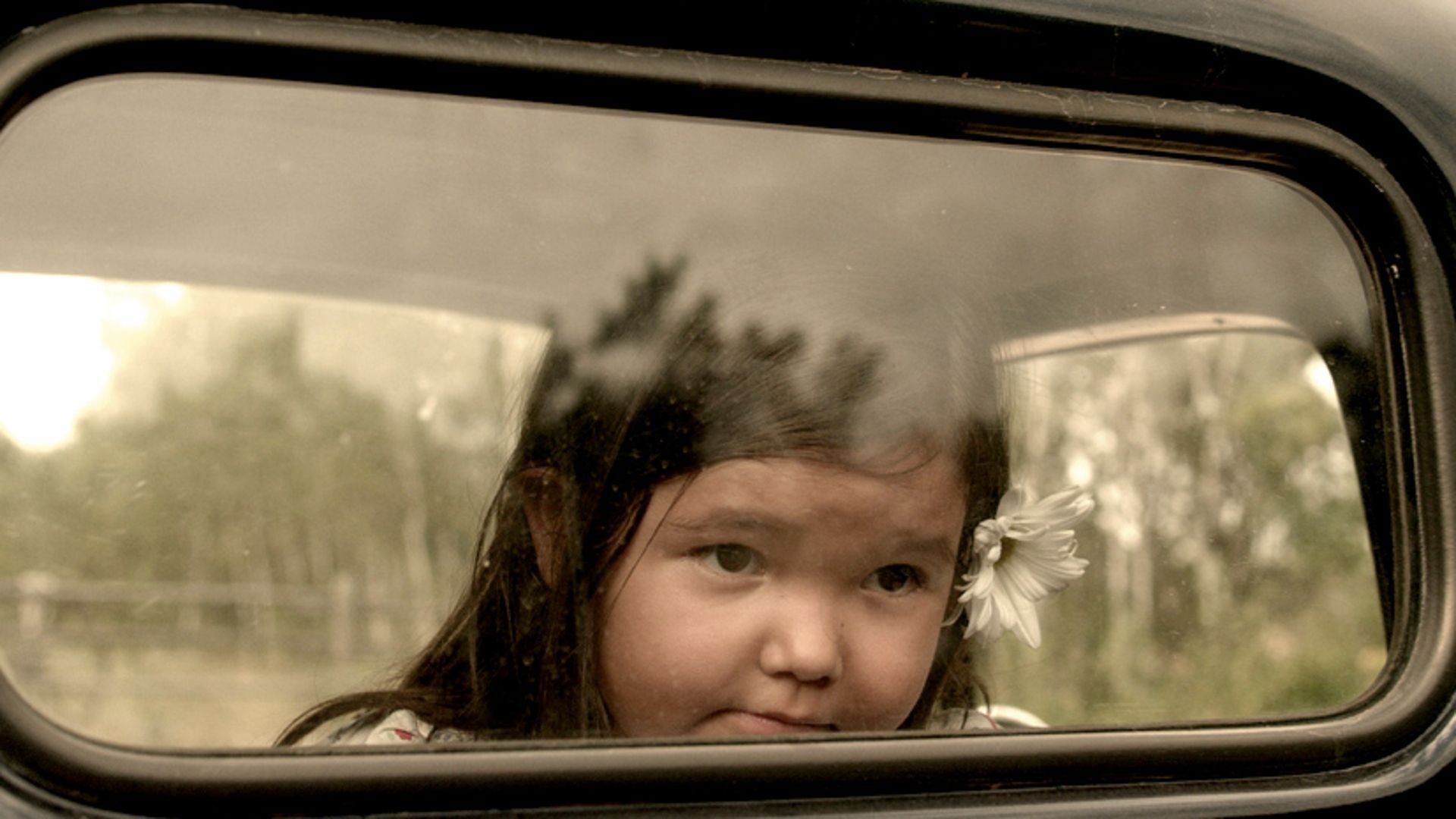
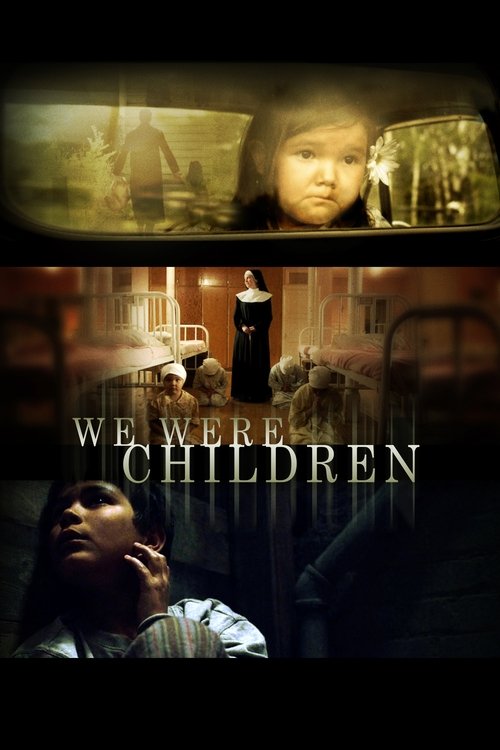
For over 130 years till 1996, more than 100,000 of Canada's First Nations children were legally required to attend government-funded schools run by various Christian faiths. There were 80 of these 'residential schools' across the country. Most children were sent to faraway schools that separated them from their families and traditional land. These children endured brutality, physical hardship, mental degradation, and the complete erasure of their culture. The schools were part of a wider program of assimilation designed to integrate the native population into 'Canadian society.' These schools were established with the express purpose 'To kill the Indian in the child.' Told through their own voices, 'We Were Children' is the shocking true story of two such children: Glen Anaquod and Lyna Hart.
Top Cast
Lyna Hart
Self
Ross McMillan
Father Y
Glen Anaquod
Self
Alicia Hamelin
Lyna (4 Yrs Old)
Jade Hamelin
Lyna (10 Yrs Old)
Jennie Morin
Lyna (18 Yrs Old)

Rebecca Gibson
Sister Mary
Rene Batson
Glen (6-7 Yrs Old)
Brun Montour
Glen (12 Yrs Old)
Justin Ducharme
Glen (18 Yrs Old)
Justin Courchene
Glen (Adult)
Tyrone Brooks
Glen's Cousin (6-7 Yrs Old)

Lyna Hart
Lyna Hart
Self
Lyna Hart
Self
Ross McMillan
Ross McMillan
Father Y
Ross McMillan
Father Y
Glen Anaquod
Glen Anaquod
Self
Glen Anaquod
Self
Alicia Hamelin
Alicia Hamelin
Lyna (4 Yrs Old)
Alicia Hamelin
Lyna (4 Yrs Old)
Jade Hamelin
Jade Hamelin
Lyna (10 Yrs Old)
Jade Hamelin
Lyna (10 Yrs Old)
Jennie Morin
Jennie Morin
Lyna (18 Yrs Old)
Jennie Morin
Lyna (18 Yrs Old)
Rebecca Gibson
Rebecca Gibson
Sister Mary
Rebecca Gibson
Sister Mary
Rene Batson
Rene Batson
Glen (6-7 Yrs Old)
Rene Batson
Glen (6-7 Yrs Old)
Brun Montour
Brun Montour
Glen (12 Yrs Old)
Brun Montour
Glen (12 Yrs Old)
Justin Ducharme
Justin Ducharme
Glen (18 Yrs Old)
Justin Ducharme
Glen (18 Yrs Old)
Similar Movies
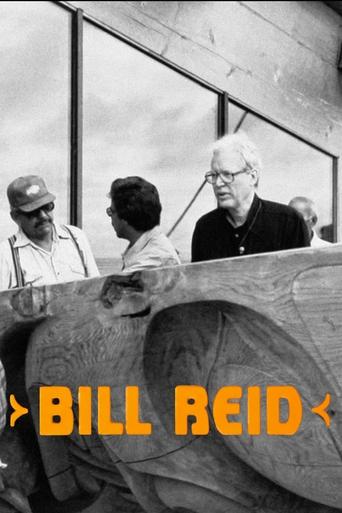
Follows Haida artist Bill Reid, from British Columbia. A jeweller and wood carver, he works on a traditional Haida totem pole. We watch the gradual transformation of a bare cedar trunk into a richly carved pole to stand on the shores of the town of Skidegate, in the Queen Charlotte Islands of B.C.
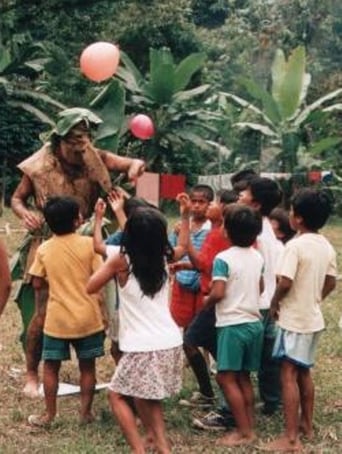
A 13-year-old Indian boy is found unconscious after being attacked in the jungle by the evil spirit Fayu Ujmu. A shaman attempts to ritually tame the spirit and advises the boy’s father to capture it. This story is based on a Chachi Indian legend; it was shot with indigenous inhabitants of the jungle community of Loma Linda, on the Rio Cayapas.

Renowned as the richest gold strike in North American mining history, the Klondike Gold Rush (1896-1899) set off a stampede of over 100,000 people on a colossal journey from Alaska to the gold fields of Canada's Yukon Territory. Filled with the frontier spirit, prospectors came and gave rise to what was one of the largest cities in Canada at that time - Dawson City. The boomtown, which became known as "the Paris of the North", earned the reputation as a place where lives could be revolutionized. Brought to life with excerpts from the celebrated book The Klondike Stampede - published in 1900 by Harper's Weekly correspondent Tappan Adney - and featuring interviews with award-winning author Charlotte Gray, and historians Terrence Cole and Michael Gates, The Klondike Gold Rush is an incredible story of determination, luck, fortune, and loss. In the end, it isn't all about the gold, but rather the journey to the Klondike itself.
Today it is the city of Montreal, but 3 centuries ago the tiny band of missionary founders called it Ville-Marie, the holy city of Mary. This film goes back to its beginning and those who felt called to plant an oasis of Christianity in the North American wilderness. In an imaginative, at times almost surrealistic, way the film recalls the highborn company from France, and shows what survives of Ville-Marie in the Montreal of today.
Presents the history of the conflict between the Canadian government and the Kwakiutl Indians of the Northwest Pacific over the ritual of the Potlatch. Archival photographs and films, wax roll sound recordings, police reports, the original potlatch files, and correspondence of agents form the basis of the reconstruction of period events, while the film centres on a Potlatch given today by the Cranmer family of Alert Bay.
An NFB crew filmed a group of three families, Cree hunters from Mistassini. Since times predating agriculture, this First Nations people have gone to the bush of the James Bay and Ungava Bay area to hunt. We see the building of the winter camp, the hunting and the rhythms of Cree family life.