


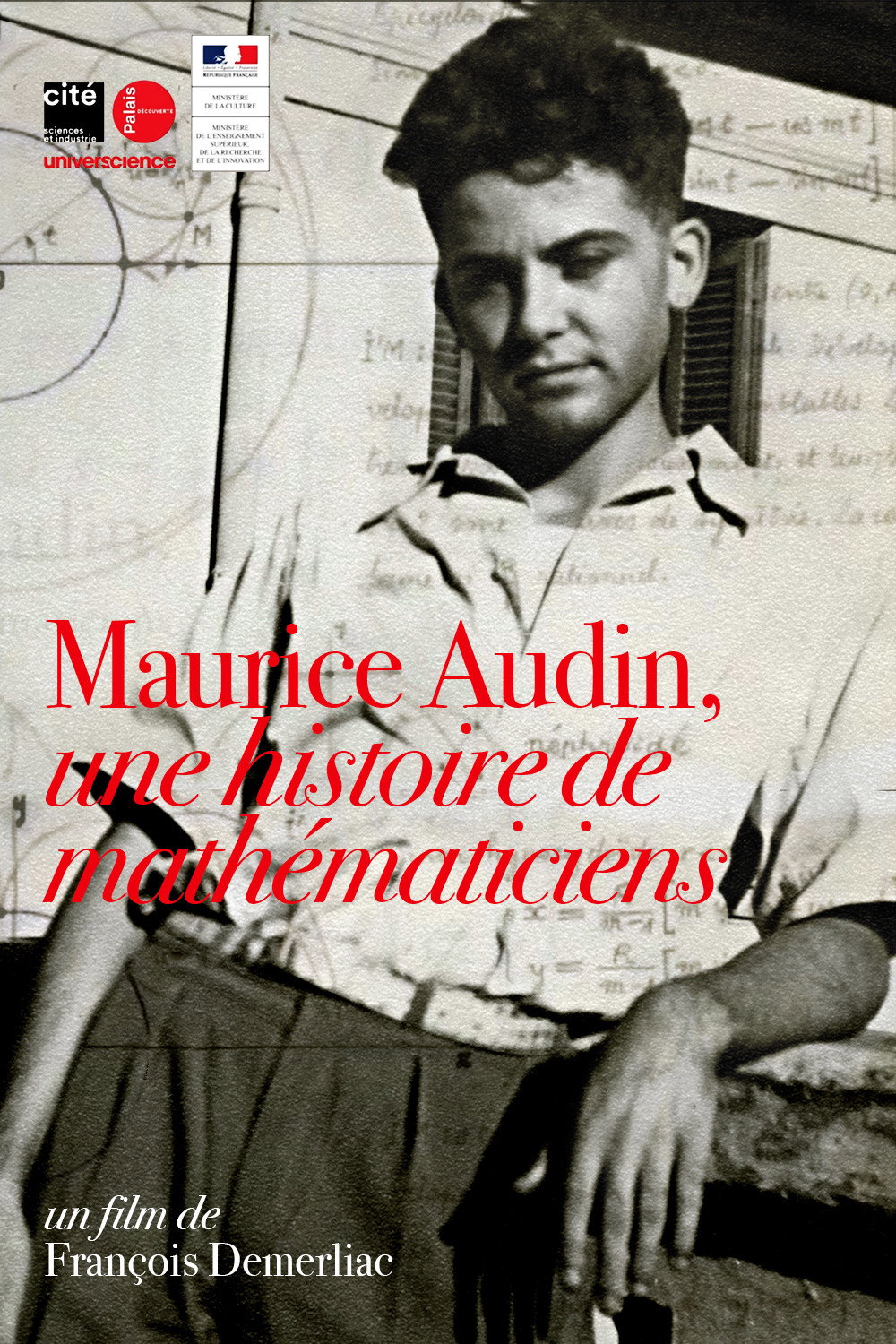
Maurice Audin, a story of mathematicians
Documentary
Overview
On September 13, 2018, President Emmanuel Macron visited Josette Audin at her home in Bagnolet to ask for her forgiveness, presenting her with a declaration acknowledging that her husband had died under torture at the hands of a "legally established system" implemented by the former French colonial power in Algeria. This acknowledgment, however belated, is a victory for Josette Audin and her family, but above all, it is a victory for human rights, achieved together by mathematicians and historians. This film retraces this shared commitment against torture and state abuses, first within the Audin Committee and then within the Committee of Mathematicians, which also intervened to support other mathematicians imprisoned and sometimes tortured around the world.

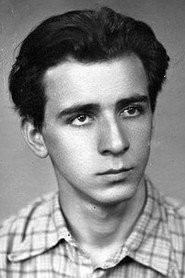


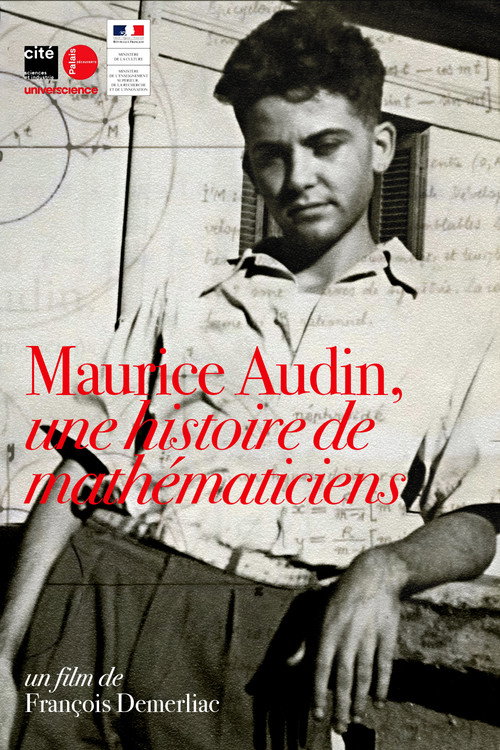
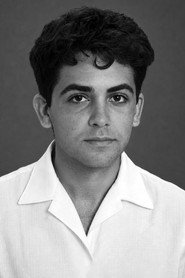
Maurice Audin
Maurice Audin
Self (archive footages)
Maurice Audin
Self (archive footages)
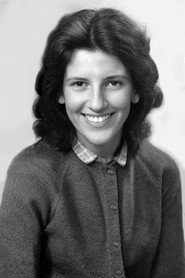
Josette Audin
Josette Audin
Self
Josette Audin
Self
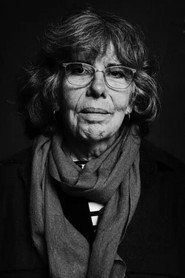
Michèle Audin
Michèle Audin
Self
Michèle Audin
Self
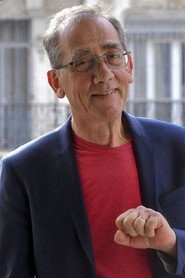
Pierre Audin
Pierre Audin
Self
Pierre Audin
Self
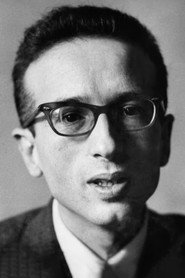
Pierre Vidal-Naquet
Pierre Vidal-Naquet
Self
Pierre Vidal-Naquet
Self
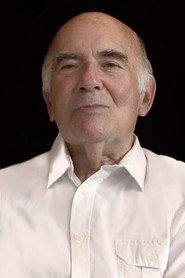
Pierre Braun
Pierre Braun
Self
Pierre Braun
Self
Gérard Tronel
Gérard Tronel
Self
Gérard Tronel
Self
Michel Broué
Michel Broué
Self
Michel Broué
Self
Pierre Mansat
Pierre Mansat
Self
Pierre Mansat
Self
Benjamin Stora
Benjamin Stora
Self
Benjamin Stora
Self
Similar Movies
After 50 years in theatre, film and television, Carme Elias is diagnosed with Alzheimer's Disease. Together with Claudia Pinto, a director and friend, they decide to record her last conscious voyage. The characters played by Carme accompany this difficult period, while the borders between fiction and reality disappear. While You're Still You is a constant game of mirrors, a pact of love and friendship.
An exhaustive explanation of how the military occupation of an invaded territory occurs and its consequences, using as a paradigmatic example the recent history of Israel and the Palestinian territories, the West Bank and the Gaza Strip, from 1967, when the Six-Day War took place, to the present day; an account by filmmaker Avi Mograbi enriched by the testimonies of Israeli army veterans.
Algeria, summer 1962, eight hundred thousand French people left their native land in a tragic exodus. But 200,000 of them decided to attempt the adventure of independent Algeria. Over the following decades, political developments would push many of these pieds-noirs into exile towards France. But some never left. Germaine, Adrien, Cécile, Guy, Jean-Paul, Marie-France, Denis and Félix, Algerians of European origin, are among them. Some have Algerian nationality, others do not. Some speak Arabic, others do not. They are the last witnesses to the little-known history of these Europeans who remained out of loyalty to an ideal, a taste for adventure and an unconditional love for a land where they were born, despite all the ups and downs that the free Algeria in full construction had to go through.
An account of the brief life of the writer Albert Camus (1913-1960), a Frenchman born in Algeria: his Spanish origin on the isle of Menorca, his childhood in Algiers, his literary career and his constant struggle against the pomposity of French bourgeois intellectuals, his communist commitment, his love for Spain and his opposition to the independence of Algeria, since it would cause the loss of his true home, his definitive estrangement.

Can you be accused of being close to ‘ndrangheta families if you have pursued a career in the name of legality? The case of Ambrogio Crespi is much more than a judicial case; it is the answer to these unthinkable questions. It is the paradox that becomes reality. Accused of external complicity in mafia association, he is arrested and tried for having provided votes from mafia circles to a councilor Lombardo… never seen, never known. Although it seemed clear even to the insiders that Ambrogio Crespi was not involved in the charges, the first degree ends with an incredible sentence of 12 years, double the request of the same PM. A sentence that, like a guillotine, weighs on the life of Ambrogio and his entire family.
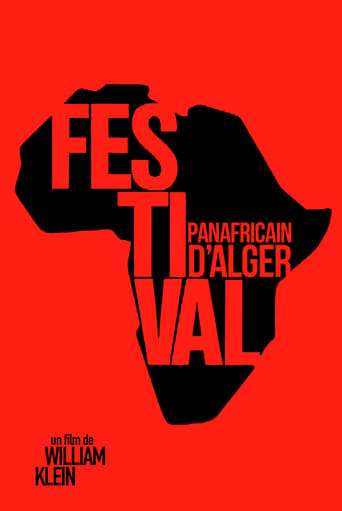
Festival panafricain d'Alger is a documentary by William Klein of the music and dance festival held 40 years ago in the streets and in venues all across Algiers. Klein follows the preparations, the rehearsals, the concerts… He blends images of interviews made to writers and advocates of the freedom movements with stock images, thus allowing him to touch on such matters as colonialism, neocolonialism, colonial exploitation, the struggles and battles of the revolutionary movements for Independence.

60 years ago, in the Algerian desert, an atomic bomb, equivalent to three or even four times Hiroshima, exploded. Named the “Blue Gerboise”, it was the first atomic bomb tested by France, and of hitherto unrivaled power. This 70 kiloton plutonium bomb was launched in the early morning, in the Reggane region, in southern Algeria, during the French colonial era. If this test allowed France to become the 4th nuclear power in the world, it had catastrophic repercussions. France had, at the time, certified that the radiation was well below the standard safety threshold. However, in 2013, declassified files revealed that the level of radioactivity had been much higher than announced, and had been recorded from West Africa to the south of Spain.
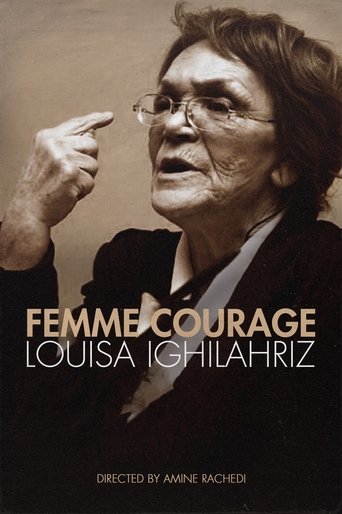
The autobiographical account of the tormented life of a witness of the century: Louisa Ighilahriz, activist and leading figure in Algerian independence. A student, she joined the independence struggle at the age of 20, joining the ranks of the FLN on the eve of the Battle of Algiers in late 1956 under the name Lila. She took part in the high school students' strike, then fled into the maquis when she was actively sought after. She was part of the French FLN support network of "suitcase carriers" during the Battle of Algiers. Seriously wounded alongside her network leader, Saïd Bakel, during an ambush in 1957, hospitalized and then imprisoned, she suffered numerous tortures in French prisons. She will be saved from certain death by an anonymous person, she will seek, for forty years, to find him just to show him her gratitude... Emblematic of the painful Franco-Algerian history, Louisa's story is poignant and imbued with humanism.