

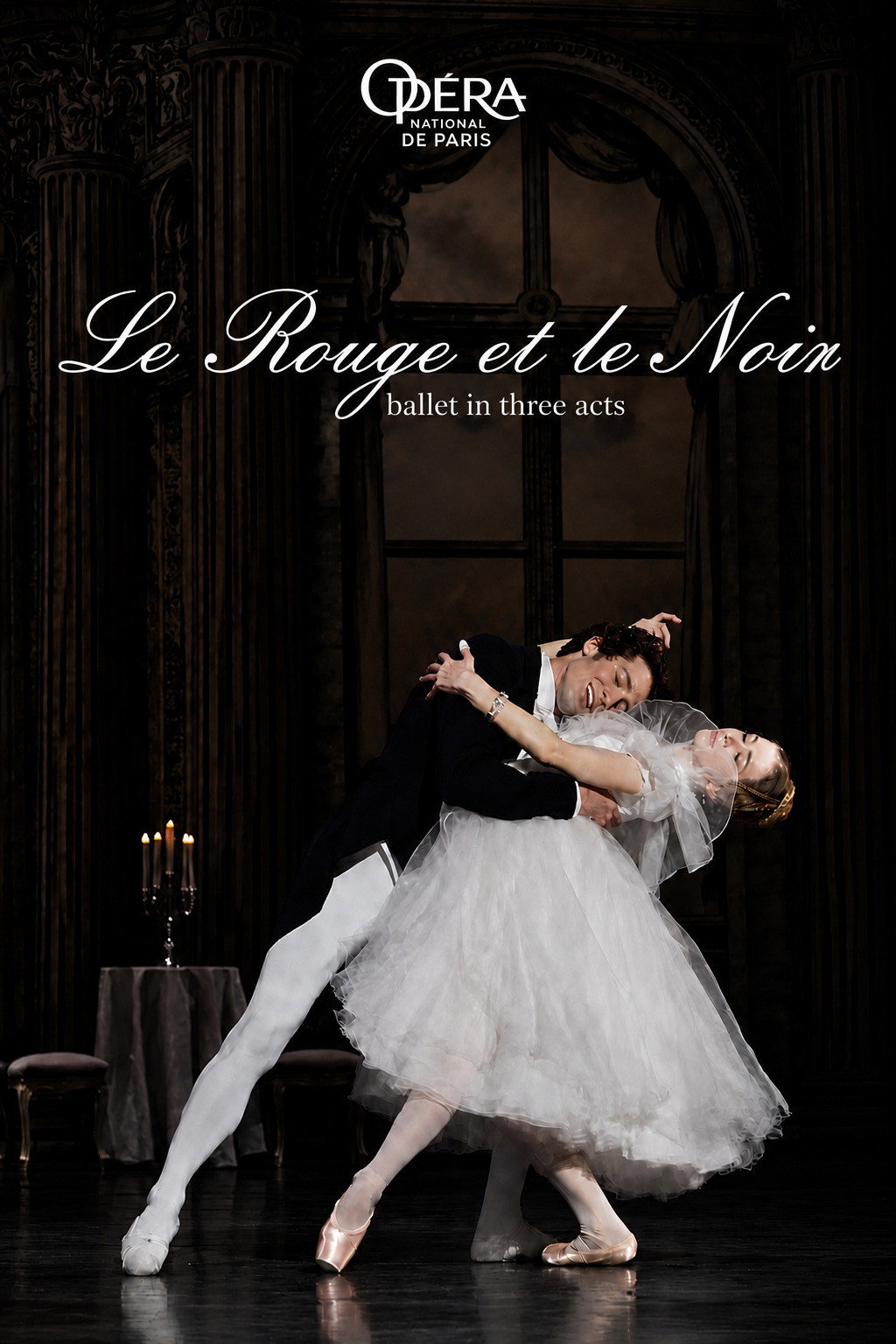
The Red and the Black
Drama · Music
Overview
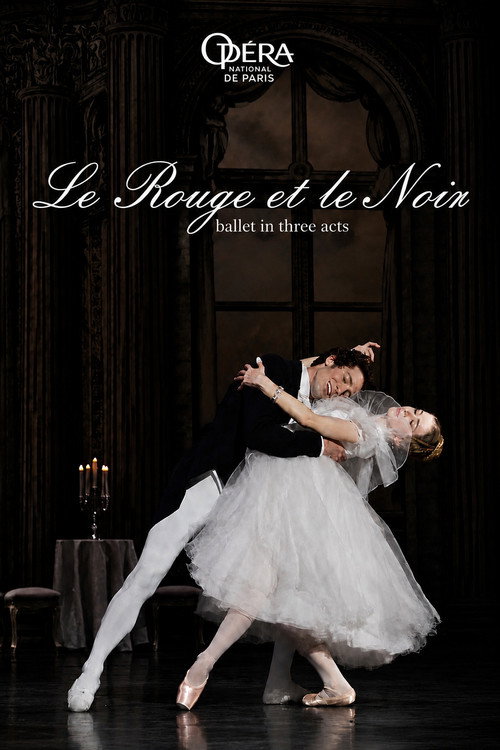
In Restoration-era France, the ambitious Julien Sorel rises through society thanks to his intelligence, charm, and determination. Torn between Madame de Rênal and Mathilde de La Mole, he becomes entangled in passionate affairs, political intrigue, and religious conflict that ultimately shape his tragic fate. Inspired by Stendhal's classic novel, Pierre Lacotte transforms Le Rouge et le Noir into a grand three-act ballet set to an anthology of music by Jules Massenet.




Hugo Marchand
Hugo Marchand
Julien Sorel
Hugo Marchand
Julien Sorel

Dorothée Gilbert
Dorothée Gilbert
Madame de Rênal
Dorothée Gilbert
Madame de Rênal
Bianca Scudamore
Bianca Scudamore
Mathilde de La Mole
Bianca Scudamore
Mathilde de La Mole
Roxane Stojanov
Roxane Stojanov
Élisa
Roxane Stojanov
Élisa
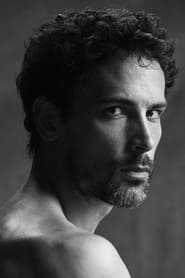
Stéphane Bullion
Stéphane Bullion
Monsieur de Rênal
Stéphane Bullion
Monsieur de Rênal

Audric Bezard
Audric Bezard
Abbé Chélan
Audric Bezard
Abbé Chélan

Pablo Legasa
Pablo Legasa
Abbé Castanède
Pablo Legasa
Abbé Castanède
Camille Bon
Camille Bon
Maréchale de Fervaques
Camille Bon
Maréchale de Fervaques
Camille de Bellefon
Camille de Bellefon
Marquise de La Mole
Camille de Bellefon
Marquise de La Mole
Similar Movies

In 1800, as Napoleon Bonaparte rises to power in France, a rivalry erupts between Armand and Gabriel, two lieutenants in the French Army, over a perceived insult. For over a decade, they engage in a series of duels amidst larger conflicts, including the failed French invasion of Russia in 1812, and shifts in the political and social systems of Europe.
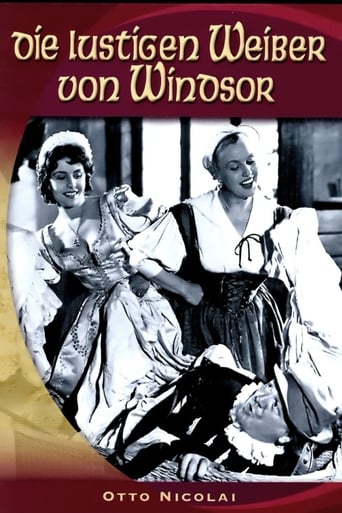
When Sir John Falstaff decides that he wants to have a little fun he writes two letters to a pair of Window wives: Mistress Ford and Mistress Page. When they put their heads together and compare missives, they plan a practical joke or two to teach the knight a lesson. But Mistress Ford's husband is a very jealous man and is pumping Falstaff for information of the affair. Meanwhile the Pages' daughter Anne is besieged by suitors.
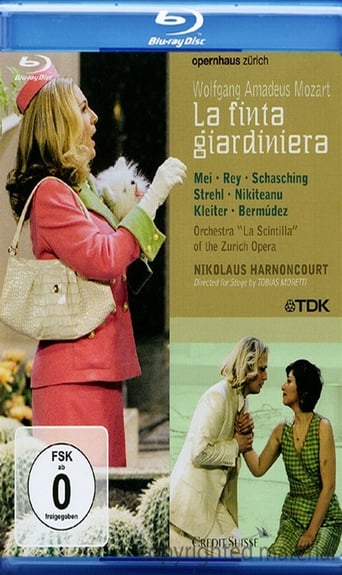
The Zurich Opera gathered a superb cast for this production: Italian soprano Eva Mei sings the Countess Violante, known as Sandrina, the feigned gardener of the title. Spanish soprano Isabel Rey is her opponent Arminda, and Arminda's former lover, the melancholy Cavaliere Ramiro, is sung by Romanian mezzo Liliana Nikiteanu. Moretti's staging presents the action in a modern villa in a hierarchical world of the rich and famous.
Bolshoi Ballet stars Vladimir Vasiliev and Ekaterina Maximova dance this 1982 performance of "Anyuta," the story of a small-town woman who purposely marries above her social status only to learn that popularity comes with a price. Maximova performs the role of Anyuta; Vasiliev plays Anyuta's drunk father.
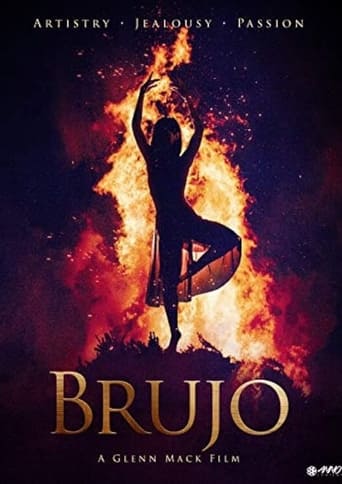
Brujeria is the Spanish word for witchcraft. Both men and women can be witches, brujos and brujas, respectively. A brujo controls much of the dance and chaos surrounding this troupe. When a young stagehand enters the would of this secluded dance retreat, it upsets the balance of the retreat's lead dancer a couple comprised of a lesbian and a bisexual woman. When the bisexual woman finds herself attracted to the stagehand, their relationship is tested, and the ensuing chaos feeds the brujeria.
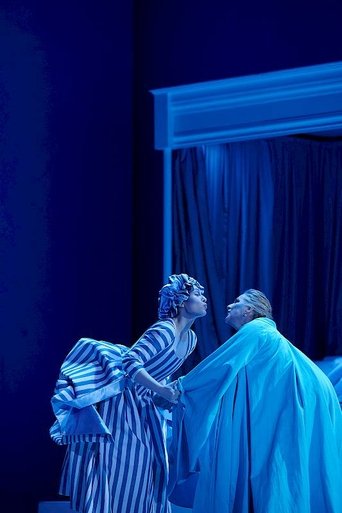
When Strauss and Hofmannsthal wrote «Der Rosenkavalier» – setting it in an imaginary Rococo Vienna and yet closely linked to the decadent fin de siècle – they created a profound social comedy. It is not without melancholy that the Marschallin lets her young lover Octavian go when he falls head over heels with Sophie, who hails from Faninal’s bourgeois household. As voluptuous as Strauss' score is, it contains tender moments of dream and melancholy. Director Lydia Steier stages Strauss’ opera according to an aesthetic concept by Austrian artist Gottfried Helnwein. Diana Damrau sings the Marschallin. Joana Mallwitz, chief conductor at the Konzerthaus Berlin, conducts the Orchester der Oper Zürich.
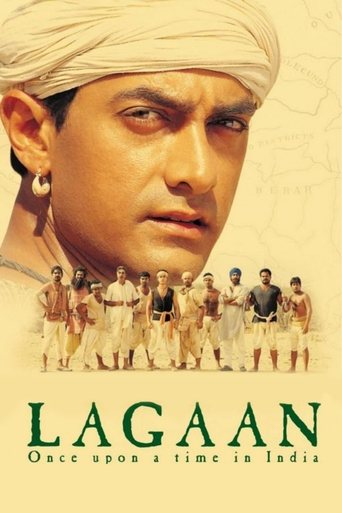
The year is 1893 and India is under British occupation. In a small village, the tyrannical Captain Russell has imposed an unprecedented land tax on its citizens. Outraged, Bhuvan, a rebellious farmer, rallies the villagers to publicly oppose the tax. Russell offers a novel way to settle the dispute: he challenges Bhuvan and his men to a game of cricket, a sport completely foreign to India. If Bhuvan and his men can defeat Russell's team, the tax will be repealed.
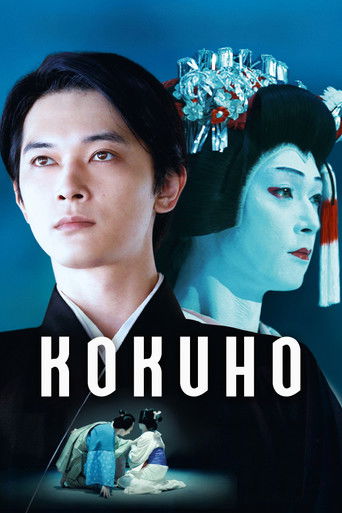
Nagasaki, 1964: Following the death of his Yakuza father, 15-year-old Kikuo is taken under the wings of a famous Kabuki actor. Alongside Shunsuke, the actor’s only son, he decides to dedicate himself to this traditional form of theatre. For decades, the two young men grow and evolve together – and one will become the greatest Japanese master of the art of Kabuki.

Witness the Zurich Opera's stunning production of Richard Wagner's masterpiece "Tannhauser," conducted by Franz Welser-Most and featuring Peter Sieffert (Tannhauser), Solveig Kringelborn (Elisabeth) and Roman Trekel (von Eschenbach). Initially produced in Dresden in 1845, "Tannhauser" instilled a sense of wonder in a few of Strauss's ardent friends and admirers, among them Robert Schumann and Franz Liszt. Opera buffs will love it.
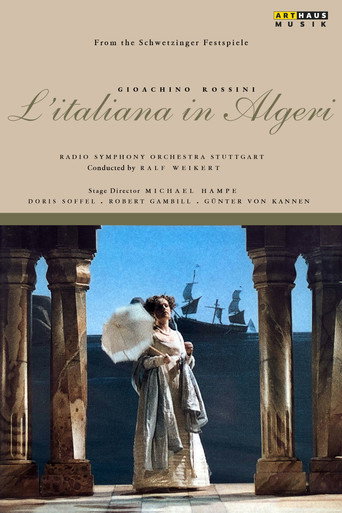
Live performance from the Schwetzinger Festspiele, 1987. At the age of 21, Italian composer Giacchino Rossini penned the masterful comic opera “L’Italiana in Algeri” (“The Italian Girl in Algiers”) in less than a month. The composer’s youthful exuberance comes across in this infectious 1987 performance. Though she’s known mainly for her Wagner roles, acclaimed German mezzo-soprano Doris Soffel shines in the title role of Isabella. Ralf Weikert conducts, and Mauro Pagano oversees sets and costumes.