

The War Game at Cinecity
Documentary
Overview
When Peter Watkins’ banned nuclear war masterpiece "The War Game" reached Toronto in 1967, it found an unlikely home at Cinecity, a new cinema determined to challenge audiences. Drawing on archival research and eyewitness accounts, this documentary explores the film’s enduring impact and the role Cinecity played in shaping Canadian film culture.



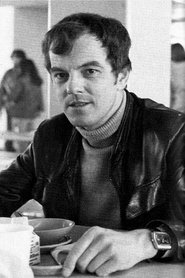
Peter Watkins
Peter Watkins
Self (Archival footage)
Peter Watkins
Self (Archival footage)
Similar Movies
Using masterfully restored footage from recently declassified images, The Bomb tells a powerful story of the most destructive invention in human history. From the earliest testing stages to its use as the ultimate chess piece in global politics, the program outlines how America developed the bomb, how it changed the world and how it continues to loom large in our lives. The show also includes interviews with prominent historians and government insiders, along with men and women who helped build the weapon piece by piece.
On August 6 1945, one plane dropped one bomb on the Japanese city of Hiroshima. In an instant, the city was destroyed and 80,000 people were dead. But the dropping of the Atomic bomb also launched the Nuclear age, shaping all of our lives and changing the world for ever. For this film we have tracked down people who made the bomb, people who dropped the bomb, and people who were in Hiroshima – some less than half a mile from ground zero -when the bomb fell on their city. Many of the witnesses are in their 90s and this will be the last time they will be able to tell their extraordinary stories. The Day They Dropped The Bomb is told through witness recollections, rare archive film and photographs shot at the time. The documentary will be broadcast for the 70th anniversary of Hiroshima next year by ITV and in America by the Smithsonian Channel.
An archive-based feature documentary viewing the dramatic climax of the Cold War through the lens of the ABC network, as it narrowly succeeds in producing the most watched, most controversial made-for-TV movie, THE DAY AFTER (1983). With irreverent humor and sobering apocalyptic vision, this film reveals how a commercial broadcaster seized a moment of unprecedented television viewership, made an emotional connection with an audience of over 100 million and forced an urgent conversation with the US President on how to collectively confront and resolve the most pressing issue of the time - nuclear proliferation.
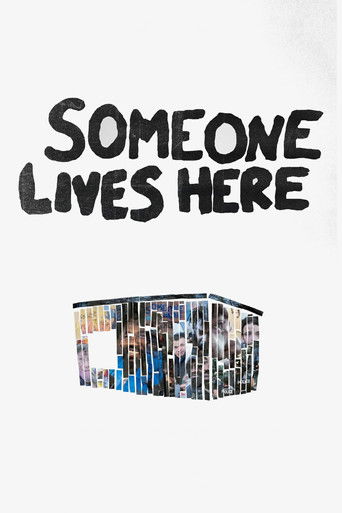
Chronicles the modern-day David and Goliath tale amidst North America's housing crisis. During the pandemic, Khaleel Seivwright, a young Toronto carpenter, builds life-saving shelters for unhoused people facing the winter outside. His actions attracted international acclaim but also staunch opposition from the city government, portraying a compelling narrative set against the backdrop of societal challenges and governmental resistance.
A documentary film about the effects of nuclear weapons. What would be the effects on people and buildings if one medium-sized nuclear bomb was dropped on a large city? How effectively would various types of shelter protect us? In an experimental trial, two couples live in fallout shelters for ten days each.
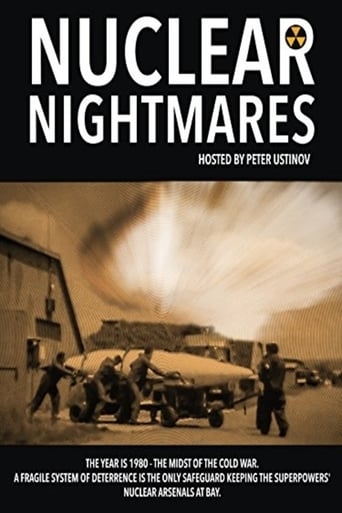
Peter Ustinov hosts this haunting 1980 documentary exploring the world's nuclear weaponry and the fragile system that deters either side from initiating the first nuclear strike. Although the world's political climate has mellowed since the Cold War era, Nuclear Nightmares takes the viewer back in time to gain a perspective of what it was like to live under a very real nuclear threat.