

Hialeah Speedway: No Guts, No Glory
Documentary
Overview
It’s a Saturday night in 1954 and the roar of the racecars at Hialeah Speedway can be heard all over town for the first time. Families would gather, men would cheer, and teenagers would peek through the fences to steal a glimpse of the action and larger-than-life racing personalities. Then, in 2005, the track was silenced forever.
Top Cast

Steve Brack
Steve Brack
Host (self)
Steve Brack
Host (self)
Similar Movies

Senna: The Test (2017) explores a unique moment in Ayrton Senna's career when, on December 20, 1992, he tested a Penske IndyCar in Phoenix, Arizona. Amid frustrations with McLaren, Senna briefly considered switching to IndyCar, with this test marking his only serious exploration of American racing. The documentary, created by Marshall Pruett and Travis Long, features insights from figures like Emerson Fittipaldi and Rick Mears, capturing this rare event in Senna’s life and his motivations during a challenging period in his career.

Frankly ... Jacky Ickx is a documentary that explores the life of Belgian racing legend Jacky Ickx, tracing his journey from motocross to his iconic status in Formula One and endurance racing. Known as “Monsieur Le Mans” for his six Le Mans wins, Ickx’s story is one of fearless racing, deep introspection, and resilience. Through interviews and archival footage, the film highlights his career milestones, thoughts on the dangers of motorsport, and his legacy, both on the track and in humanitarian efforts, offering an intimate portrait of a true motorsport icon.

Fly to glamorous Monte Carlo for the Grand Prix de Monaco Historique. Strap in and follow the motor racing legends through the streets and breakneck turns of the principality. The history of Grand Prix racing unfolds before us in a noisy cavalcade of spitting roaring, temperamental and powerful machines driven by a motley collection of competitive yet amiable characters. These are the cars and names that make up the sporting Pedigree of Grand Prix racing. While the technical precision of the modern Formula One car is an amazing thing, it is a testament to the love of racing to see drivers throwing these mostly privately owned, sometimes multi-million-dollar one-of-a-kind museum pieces around the tight, narrow streets on the razor edge of control.
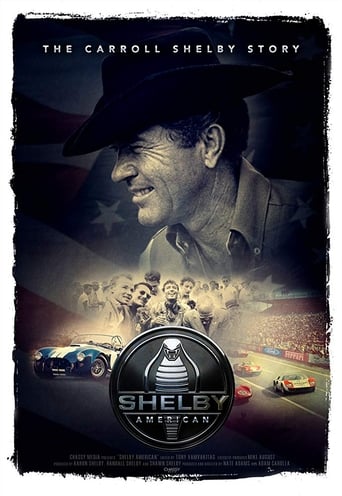
Carroll Shelby came from humble beginnings working as a chicken farmer in rural Texas. He exploded into the auto-racing scene by beating all the top-tier drivers of the era and winning the 24 Hours of Le Mans in 1959. All while still wearing his chicken-overalls. Carroll had a heart condition that nearly killed him, forcing him to retire from racing. He started Shelby American and assembled a rag-tag team of hot-rodders to execute his vision of building groundbreaking sports cars like the Shelby Cobra. He also led Ford and the GT40 to multiple victories at Le Mans over Ferrari. Shelby’s cars, driven by the greatest drivers in the history of racing, cemented his legacy. He is the only man in history to win Le Mans as both a driver and a manufacturer. And is still the only American auto-manufacturer to win the World Manufacturing Championship.
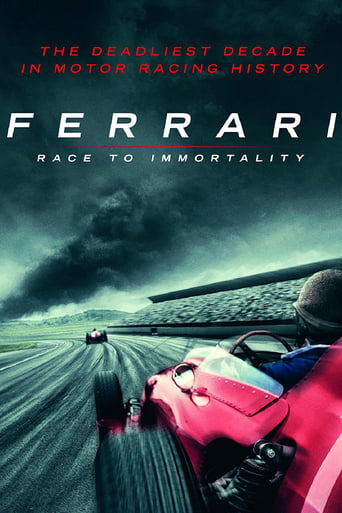
The late 1950s were known as golden years in the world of motor racing, champions were made and lost on a Sunday, and no losses were greater than those of Enzo Ferrari’s Scuderia. Based on Chris Nixon’s bestselling biography Mon Ami Mate, Ferrari: Race to Immortality tells the story of the loves and losses, triumphs and tragedy of a turbulent era that shook the motor racing world.
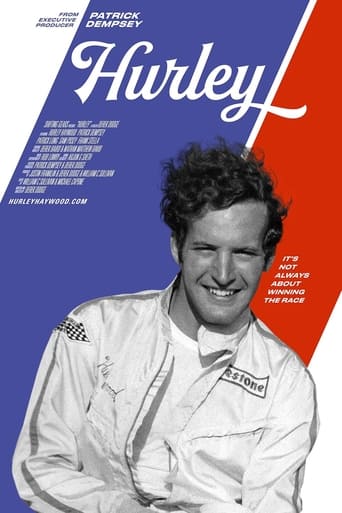
In the world of 1970s car racing, Hurley Haywood was cool, calm and collected. A five-time 24 Hours of Daytona winner, three-time Le Mans winner and Trans-Am champion, Haywood was a Hollywood archetype: a strikingly handsome man brought up by a good Midwestern family. Yet Haywood was often overshadowed by racing partner and volatile mentor, Peter Gregg—the Batman to his Robin—whose abrupt suicide in 1980 shook the sport to its core. And yet Haywood had secrets of his own. Despite multiple encounters with women, some that included public appearances alongside Penthouse models, he remained elusive about his personal life. With deft use of archival footage and exclusive interviews featuring actor and fellow racer, Patrick Dempsey, Hurley reveals a greater insight into Haywood’s tightrope walk between career and sexuality, while posing the question—will motorsport ever be ready for openly LGBT racers?
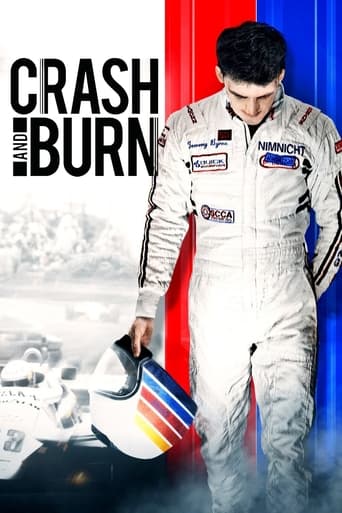
Crash and Burn chronicles the thrilling and turbulent career of Irish racing driver Tommy Byrne, who rose from a rough, working-class background to the cusp of Formula 1 in the 1980s. Directed by Seán Ó Cualáin, the film explores Byrne's undeniable talent and rebellious personality, which set him apart on the track but also clashed with the conservative and elite world of Formula 1. Byrne’s story is filled with highs and lows, from his dominance in lower racing categories to his brief, rocky stint in Formula 1 and subsequent struggles. The documentary combines interviews, archival footage, and personal insights to portray the complexities of Byrne’s character and his “what could have been” legacy in motorsport.