

A Band Called LoveSong
Documentary · Music
Overview
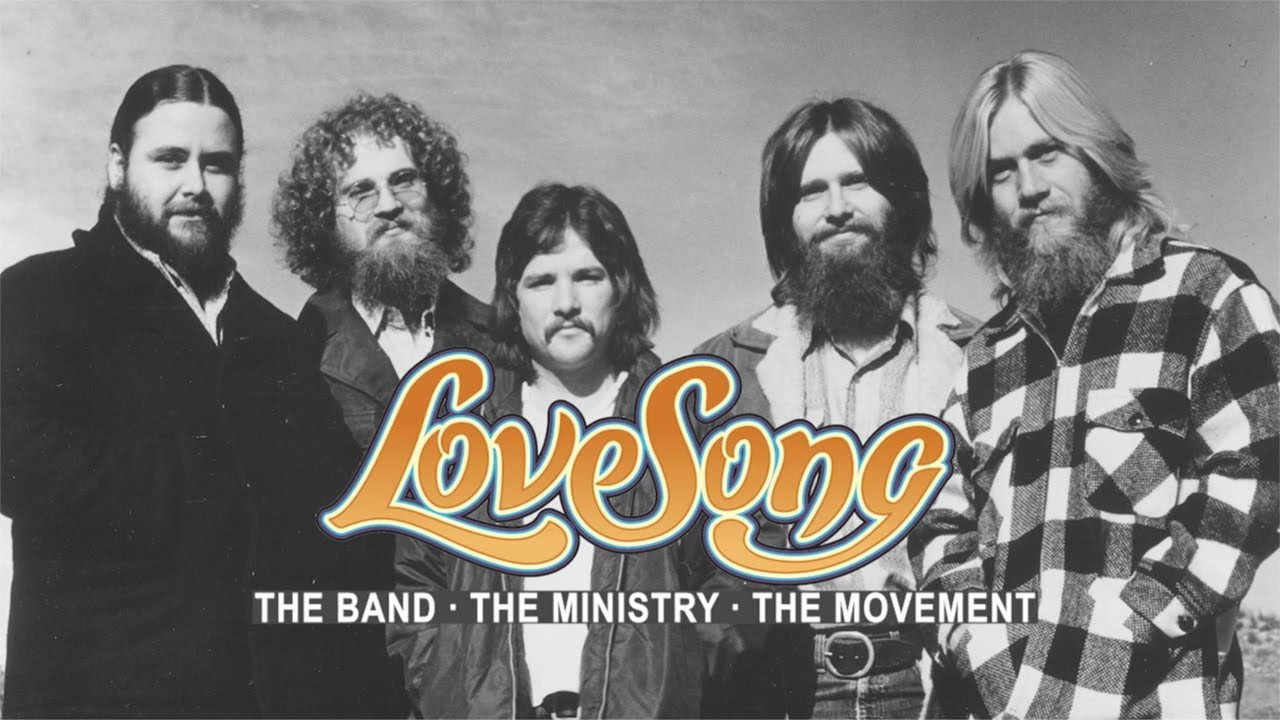
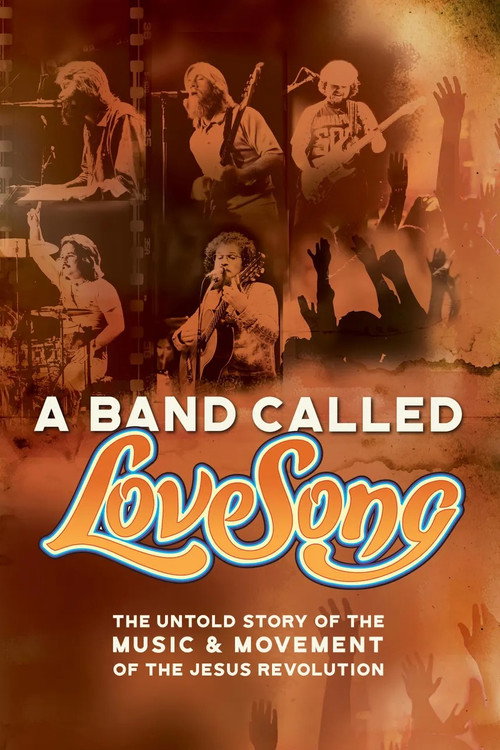
In February of 1970, four young hippies walked into Calvary Chapel in Costa Mesa, California and the rest is music and cultural history. LoveSong’s music and the music of a few other emerging pioneering Christian artists would revolutionize popular music, create a new music genre, and become the driving force behind what Time magazine would call, “The Jesus Revolution”. LoveSong would become the first Christian band of renown, set new Christian music recording standards, help shatter the glass ceiling of what was acceptable to be played in church, and create a musical legacy that endures to this day.
Top Cast










Chuck Girard
Chuck Girard
Self
Chuck Girard
Self
Tommy Coomes
Tommy Coomes
Self
Tommy Coomes
Self
Jay Truax
Jay Truax
Self
Jay Truax
Self
Bob Wall
Bob Wall
Self
Bob Wall
Self
John Mehler
John Mehler
Self
John Mehler
Self
Fred Field
Fred Field
Self
Fred Field
Self
Similar Movies
Larry the Cucumber's vision of the future includes automated robotic hosts telling jokes with random punch lines and musical numbers in which the performers and themes are chosen entirely by chance. As Bob the Tomato quickly points out, the jokes of the future aren't very funny because they don't make sense. Worse, technical malfunctions in the Ventrilomatic hosts actually promote emotional instability. Nonetheless, Bob admits that Larry's vision of the future contains some very cool adaptations of classic songs like Gilbert and Sullivan's fast-talking "Modern Major General" and Binky the Aardvark's solo performance of Mozart's The Barber of Seville. Larry's vision of the future also includes an amusing animated short about greed called "Lunch." Junior Asparagus calls Bob and Larry back to the present with a final song celebrating God's unconditional love.
A child is born. We see underwater swimmers representing this. He is young, in a jungle setting, with two fanciful "instincts" guiding him as swooping bird-like acrobats initially menace, then delight. As an adolescent, he enters a desert, where a man spins a large cube of metal tubing. He leaves his instinct-guides behind, and enters a garden where two statues dance in a pond. As he watches their sensual acrobatics of love, he becomes a man. He is offered wealth (represented by a golden hat) by a devil figure. In a richly decorated room, a scruffy troupe of a dozen acrobats and a little girl reawaken the old man's youthful nature and love.
This documentary is a touching and intimate portrait of André Brasilier, both as a man and as an artist. Presented as a testament to his art, the film focuses on two main aspects: André's connection to his youth and early inspirations, and the evolution of his art. The film pays special attention to his wife Chantal, who was André's muse and who appears in many of his paintings.
Fresh out of a long term, serious breakup, Lane Woods chooses to work through (read as: distract himself from) his feelings by making a documentary about his attempts to get back out there and find a new love. With the help of his younger brother, Colin, Lane films himself as he goes on countless dates, hoping to catch those first sparks of love on film, instead he ends up documenting something much closer to reality.