



Music
Overview
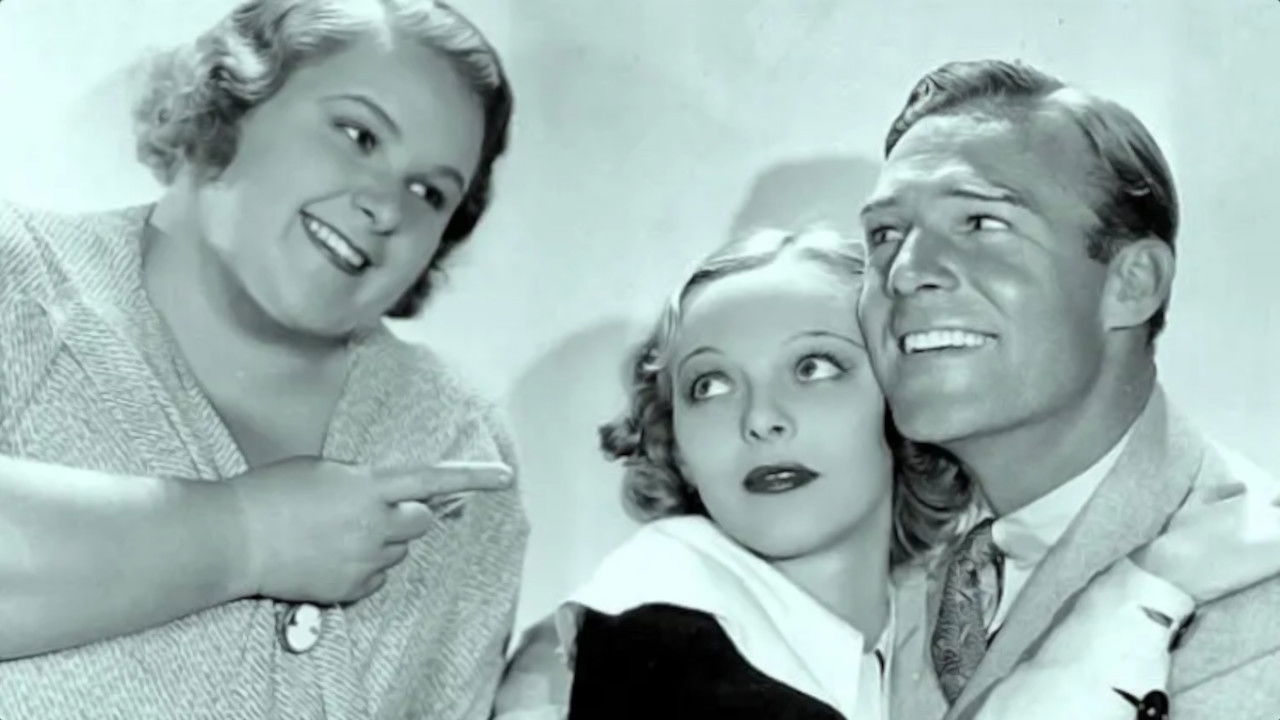
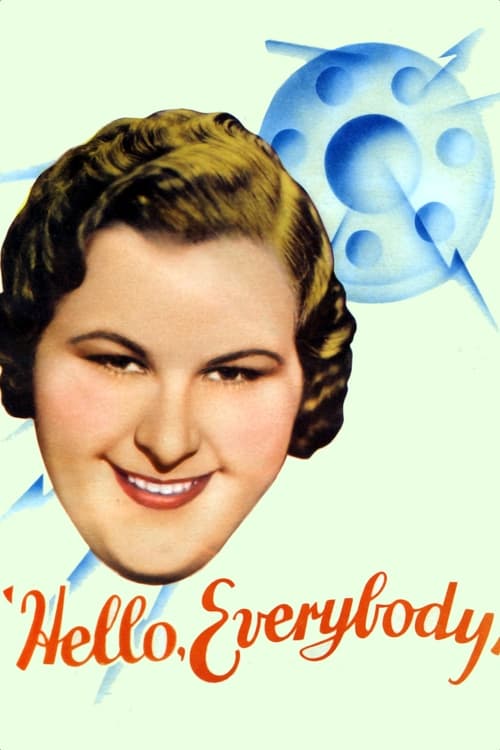
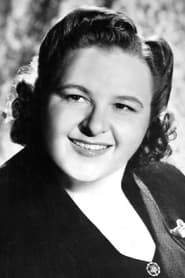
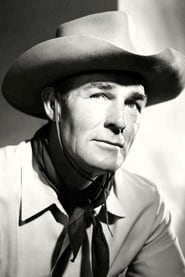
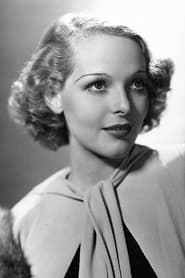
The setting is a farm. Kate Smith and Sally Blane play sisters; assorted relatives live with the sisters, but everyone at home, and in the whole town, depends on Kate to hold everything together. The power company wants to build a dam which will require flooding many of the farms; Kate is holding out; if Kate sells, everyone else will sell; if Kate refuses, the rest of the town will refuse as well. Randolph Scott meets Kate's beautiful sister, Sally Blane, at a dance. Randolph Scott, as it turns out, is an agent for the power company. Kate thinks he's just using Sally; Sally believes that he truly likes her. Randolph comes to the farm and appears to woo Kate. Kate remains unconvinced about selling out, but falls for Randolph.






Kate Smith
Kate Smith
Kate Smith
Kate Smith
Kate Smith
Randolph Scott
Randolph Scott
Hunt Blake
Randolph Scott
Hunt Blake
Sally Blane
Sally Blane
Lily Smith
Sally Blane
Lily Smith
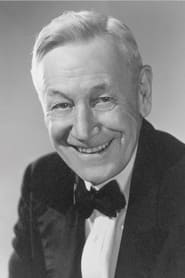
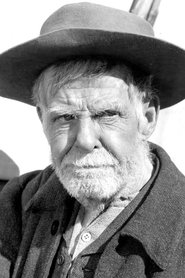
Charley Grapewin
Charley Grapewin
Jed
Charley Grapewin
Jed
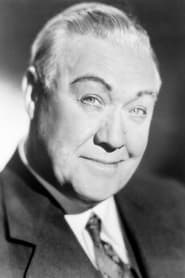
George Barbier
George Barbier
Mr. Blair
George Barbier
Mr. Blair
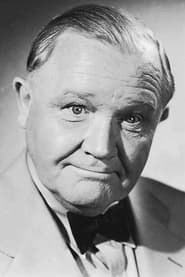
Wade Boteler
Wade Boteler
Parker
Wade Boteler
Parker
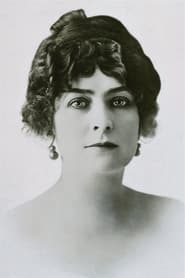
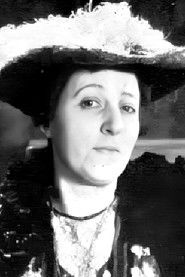
Julia Swayne Gordon
Julia Swayne Gordon
Mrs. Smith
Julia Swayne Gordon
Mrs. Smith
Erville Alderson
Erville Alderson
Horton
Erville Alderson
Horton
William B. Davidson
William B. Davidson
Mr. Parker
William B. Davidson
Mr. Parker
Paul Kruger
Paul Kruger
Mr. Lindle
Paul Kruger
Mr. Lindle
Similar Movies
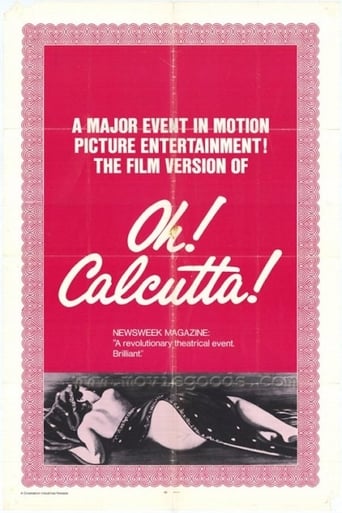
Based on the controversial off-Broadway musical comedy revue, "Oh! Calcutta!" is a series of musical numbers about sex and sexual mores. Most of the skits feature one or more performers in a state of undress, simulating sex, or both. The show sparked considerable controversy at the time because it featured extended scenes of total nudity, both male and female. The title is taken from a painting by Clovis Trouille, itself a pun on "O quel cul t'as!" French for "What an arse you have!".

New Faces was a musical revue with songs and comedy skits tied together by a quirky plot. It ran on Broadway for nearly a year in 1952 and was then made into a motion picture in 1954. It helped jump start the careers of several young performers including Paul Lynde, Alice Ghostley, Eartha Kitt, Carol Lawrence, performer/writer Mel Brooks (as Melvin Brooks), and lyricist Sheldon Harnick. The film was basically a reproduction of the stage revue with a thin plot added. The plot involved a producer and performer (Ronny Graham) in financial trouble and is trying to stave off an angry creditor long enough to open his show. A wealthy Texan offers to help out, on the condition that his daughter be in the show.
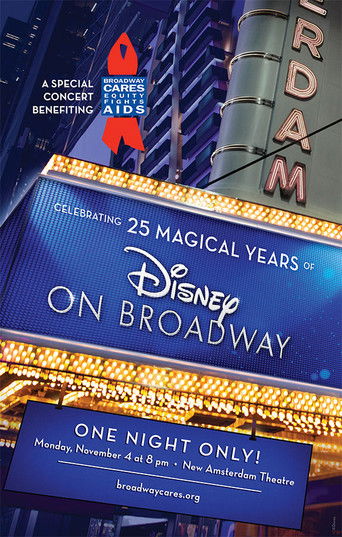
Enjoy a special stream of Broadway Cares/Equity Fights AIDS’ benefit concert celebrating Disney on Broadway’s 25th anniversary. The online playback will raise money for Broadway Cares’ COVID-19 Emergency Assistance Fund, which is helping everyone in the theater and performing arts community impacted by the pandemic and work shutdown. Ryan McCartan (Frozen) hosted the stream live from his family’s home and will interview special Disney on Broadway stars, from their homes, throughout the evening. The show also included a much-anticipated, high-energy reunion of 18 Newsies from the show’s Broadway and national touring productions, and a moving performance from Broadway Inspirational Voices. The November concert was directed by Casey Hushion. James Abbott was the music director and created the revised orchestrations. Howard Joines was the orchestra coordinator. The creative team included lighting designer Ryan J. O’Gara and sound designers Kurt Fischer and Marie Renee Foucher.
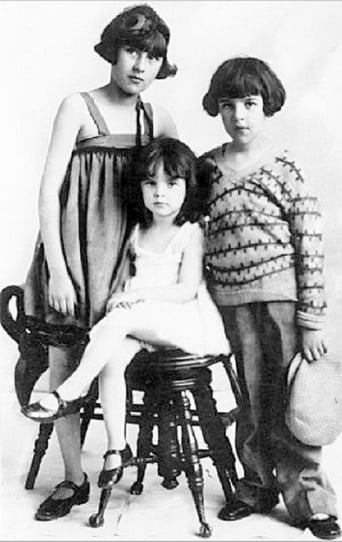
A musical revue featuring children, primarily girls, is presented. The first number has a chorus of girls performing a high kicking dance routine with tambourines, before two soloists, a boy and a girl, take center stage to do a gymnastic dance number. The girls chorus then takes over to perform a synchronized song and tap dance style number. Next, the young female orchestra leader introduces the Gumm Sisters, the three who sing and dance on stage by themselves. The final number has another chorus of dancing girls performing an Arabian-themed number.
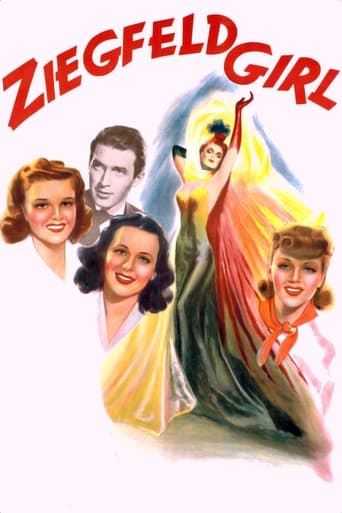
Discovery by Flo Ziegfeld changes a girl's life but not necessarily for the better, as three beautiful women find out when they join the spectacle on Broadway: Susan, the singer who must leave behind her ageing vaudevillian father; vulnerable Sheila, the working girl pursued both by a millionaire and by her loyal boyfriend from Flatbush; and the mysterious European beauty Sandra, whose concert violinist husband cannot endure the thought of their escaping from poverty by promenading her glamor in skimpy costumes.
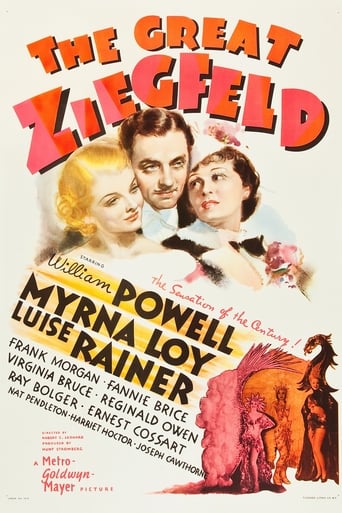
At the 1893 Chicago World's Fair, sideshow barker Florenz Ziegfeld turns the tables on his more-successful neighbor Billings, and also steals his girlfriend. This pattern repeats throughout their lives, as Ziegfeld makes and loses many fortunes putting on ever-bigger, more spectacular shows