

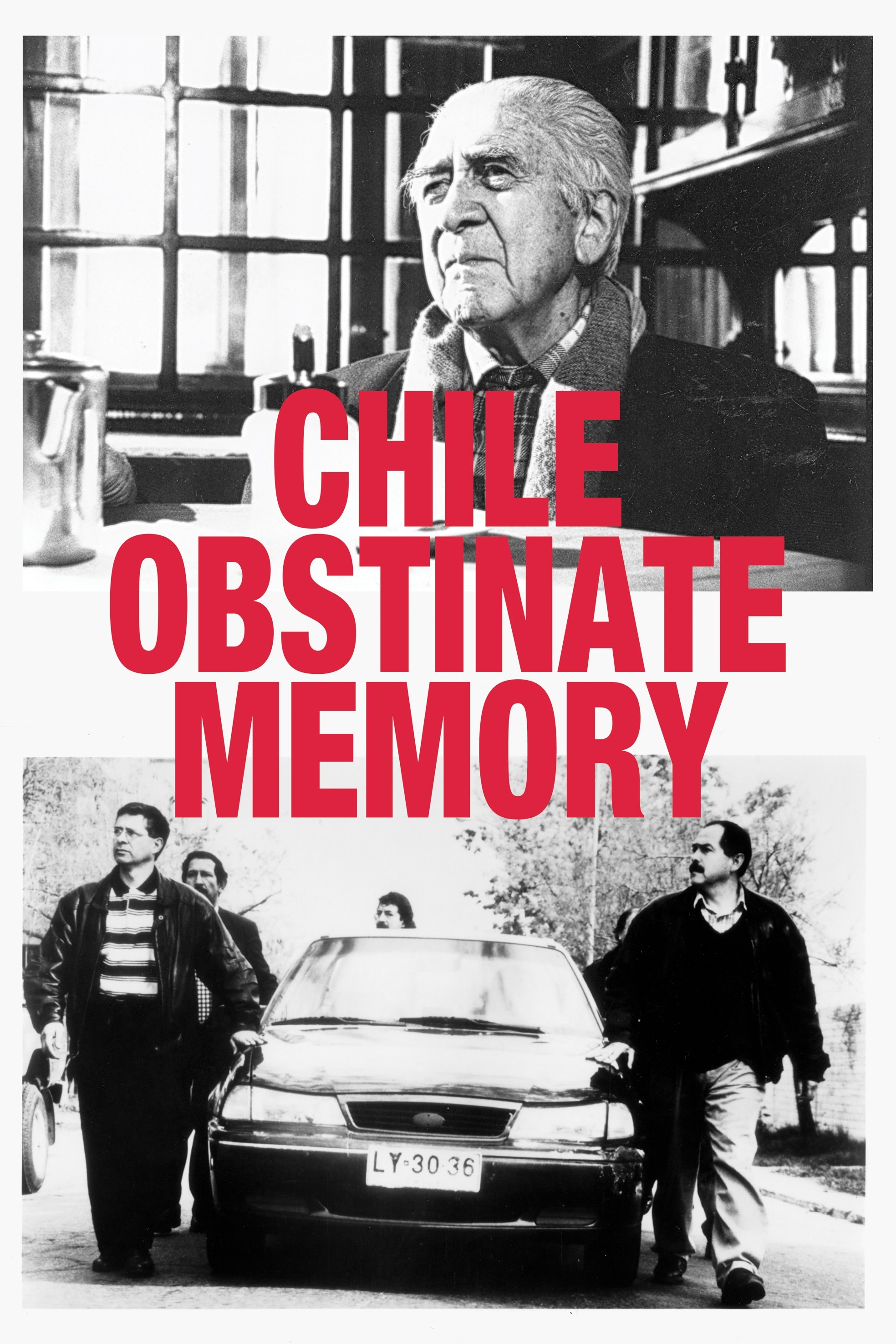
Chile: Obstinate Memory
Documentary
Overview
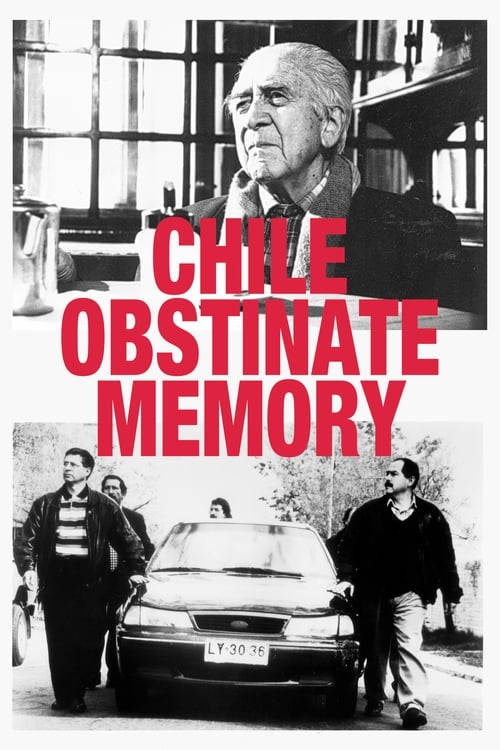
After decades of fascist rule in Chile, Patricio Guzmán returns to his country to screen his documentary The Battle of Chile.




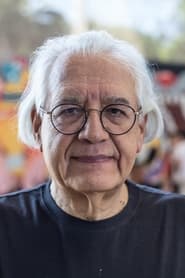
Patricio Guzmán
Patricio Guzmán
Self - Narrator (voice)
Patricio Guzmán
Self - Narrator (voice)
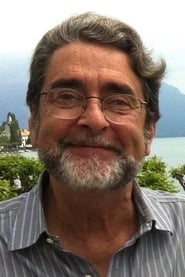
Vincent Davy
Vincent Davy
Self - Narrator (voice)
Vincent Davy
Self - Narrator (voice)
José Balmes
José Balmes
Self
José Balmes
Self
Hortensia Allende
Hortensia Allende
Self
Hortensia Allende
Self
Pablo Perelman
Pablo Perelman
Self - Filmmaker
Pablo Perelman
Self - Filmmaker

Salvador Allende
Salvador Allende
Self (archive footage)
Salvador Allende
Self (archive footage)
Similar Movies
With the memory of an online relationship he had with a girl in his teenage years, @YOU embarks on a journey in which he reflects on distance, love, fragility and the uncertainty of knowing the whereabouts of the girl who, a few years ago, said goodbye saying that she would end her life.
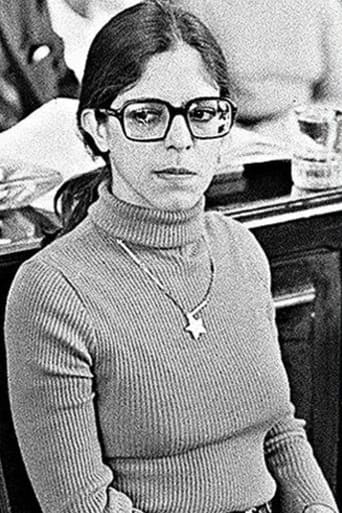
August 29, 1979, Talavera Bruce Penal Institute, Bangu, Rio de Janeiro. After serving eight years in prison, Inês Etienne Romeu, the only survivor of the "House of Death" in Petrópolis and the first political prisoner sentenced to life in prison in Brazil, left prison benefiting from Amnesty. Norma Bengell filmed this moment: from the prison door to her home with her family, Inês was welcomed by family, friends and members of the Brazilian Amnesty Committee, in what marked the first act of the historic denunciation that Inês would carry out against her tormentors and the Military Regime.
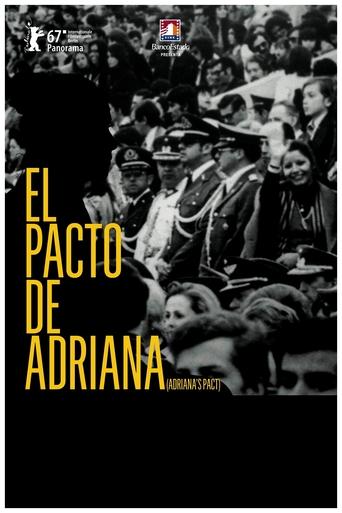
Lissette's favorite aunt Adriana, who lives in Australia, is arrested in 2007 while visiting her family in Chile and accused of having worked for dictator Pinochet's notorious secret police, the DINA, and of having participated in the commission of state crimes. When Adriana denies these accusations, Lissette begins to investigate her story in order to film a documentary about her.
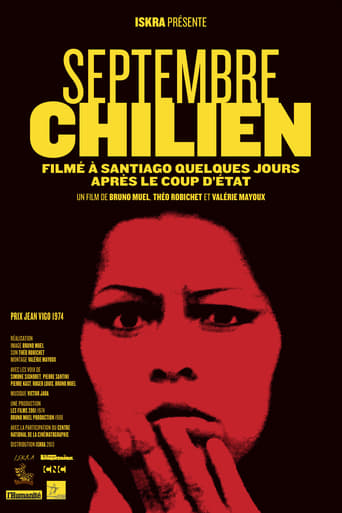
Bruno Muel's documentary on the coup in Chile in 1973. Muel, who was part of the famed Medvedkine group, along with Chris Marker and Jean-Luc Godard, among others, captured one of the most powerful portraits of the early days of Dictatorship. Profound solidarity with the socialist cause, Muel and his team showed great courage to mix the official registration of images with those triumphant, clandestine, of the nascent opposition.
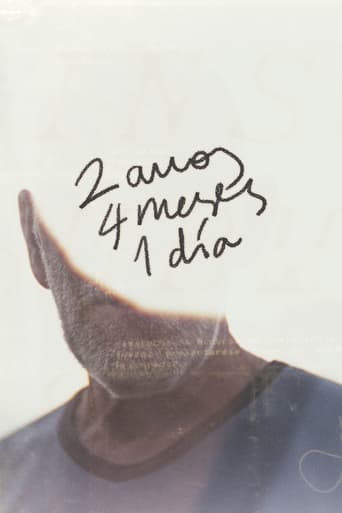
With no choice, César faced leaving his family behind, quitting his job and joining the Army. In an unprecedented chain of events he became the first conscientious objector in Galicia (Spain) to be put in prison. Now, nearly thirty years later, Two Years, Four Months, A Day takes a look at what made him do it.