

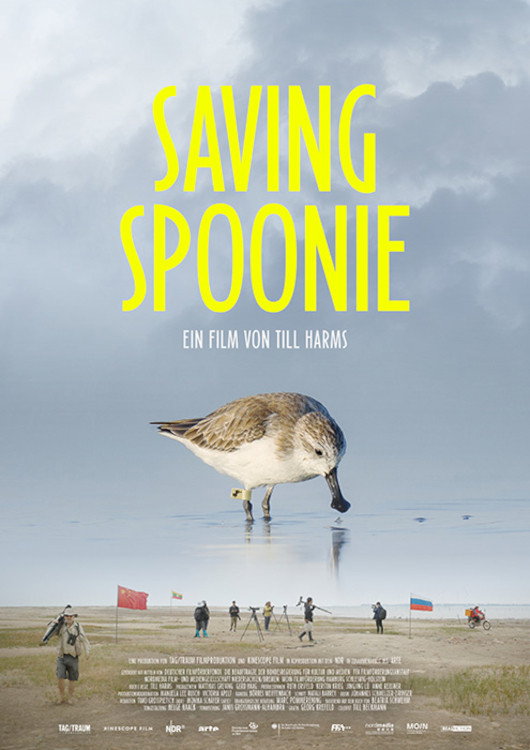
Saving Spoonie
Documentary
Overview
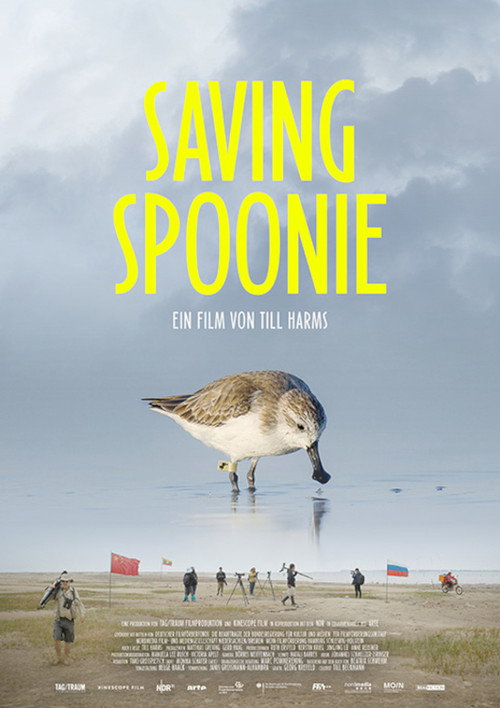
Spoonie, the spoon-billed sandpiper, would have long since gone extinct without Dr. Christoph Zöckler and a tight-knit group of international ornithologists. As if that weren’t bad enough, the migration route of this sparrow-sized wading bird—with its peculiar spoon-shaped bill—runs from Russia through North Korea and China all the way to Myanmar, passing through several of the world’s crisis regions of the past decade. The work of the task force is therefore also a political challenge. It requires diplomatic sensitivity in coordinating with the countries along the flyway. In the tragicomic story of Spoonie’s fate, the struggle for threatened biodiversity in an increasingly fragile world is reflected.








No cast information.
Similar Movies
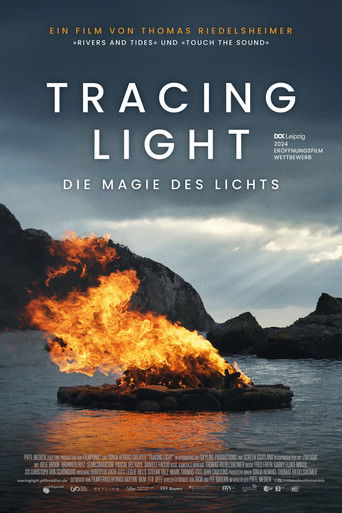
Light is a fascinating phenomenon. Without light, there would be no cinema, no film – and no life. So light is at the origin of everything, and yet it remains invisible to the eye until it hits matter. This moment is – quite literally – the starting point of Thomas Riedelsheimer’s latest work, for the springtime spectacle of rainbow shreds in the cinematographer and documentary filmmaker’s flat became the starting point of a search for the origin of the images we form of this world. For this quest he dived deep into two spheres that seem to follow different laws but always strive to fathom the magical: physics and art.
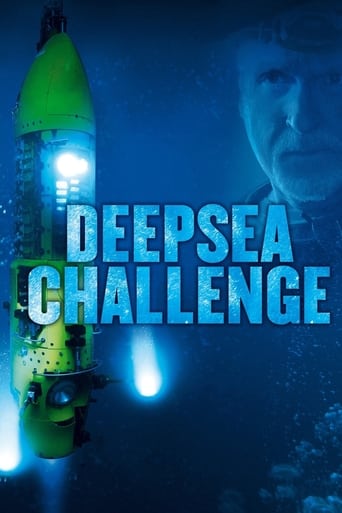
Described as being a film about determination, danger and the ocean’s greatest depths, James Cameron's "Deepsea Challenge 3D" tells the story of Cameron’s journey to fulfill his boyhood dream of becoming an explorer. The movie offers a unique insight into Cameron's world as he makes that dream reality – and makes history – by becoming the first person to travel solo to the deepest point on the planet.
Every year, on the steppes of the Serengeti, the most spectacular migration of animals on our planet: Around two million wildebeest, Burchell's zebra and Thomson's gazelles begin their tour of nearly 2,000 miles across the almost treeless savannah. For the first time, a documentary captures stunning footage in the midst of this demanding journey. The documentary starts at the beginning of the year, when more than two million animals gather in the shadow of the volcanoes on the southern edge of the Serengeti in order to birth their offspring. In just two weeks, the animal herd's population has increased by one third, and after only two days, the calves can already run as fast as the adults The young wildebeest in this phase of their life are the most vulnerable to attacks by lions, cheetahs, leopards or hyenas. The film then follows the survivors of these attacks through the next three months on their incredible journey, a trip so long that 200,000 wildebeest will not reach the end.
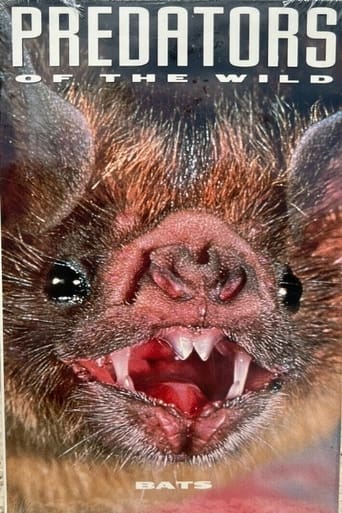
Fascinating footage of swooping bats, their remarkable habits and habitats, and close-up looks at their interesting yet eerie faces are featured in this documentary, volume seven of the Predators of the Wild series. Most bats eat insects, which may not always come to mind when one thinks of predators and prey -- although the fact that a swarm of bats can eat 30,000 pounds of insects in one night is staggering. Bats make up almost one-fourth of all of the mammals in the world, but only three species of bats are "true vampires" who rely on the blood of other animals for sustenance.