

The Drilling Fields
Overview
This documentary first aired in Britain in May 1994 during the height of the Ogoni conflict in which a small Nigerian minority, the Ogoni, rose up against the oppression and exploitation perpetrated by Shell in their collaboration with the Nigerian military government and powerful Western economic interests. The peaceful Ogoni protests were violently ended by the military government in 1995 with the unlawful hanging of Ken Saro-Wiwa, a writer, journalist and activist for the Ogoni people. Saro-Wiwa succeeded in reaching out to the international community to put pressure on those holding the Ogoni hostage. In the end, he may not have achieved all the goals set out by the Ogoni, but he drew attention to social grievances which were falsely believed to be exclusive to the colonial era.


Ken Saro-Wiwa
Ken Saro-Wiwa
Self
Ken Saro-Wiwa
Self
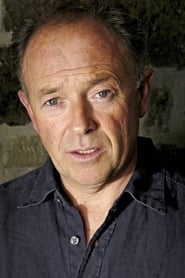
Michael Kitchen
Michael Kitchen
Voice-over
Michael Kitchen
Voice-over
Similar Movies
After the entire flora goes extinct, ecologist Lowell maintains a greenhouse aboard a space station for the future with his android companions. However, he rebels after being ordered to destroy the greenhouse in favor of carrying cargo, a decision that puts him at odds with everyone but his mechanical companions.
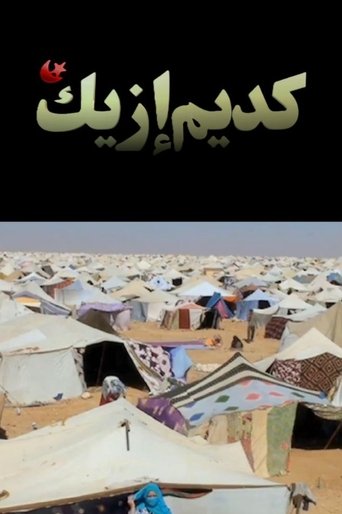
abel and Antonio are human rights activists. They were awoke by the loud noise of sirens and the roar of thousands of screamings. They picked what they could, between what was the camcorder. They switched it on and started recording what their eyes could not believe: the savage assault and destruction of the largest protest camp ever raised in the Sahara: Gdeim Izik. Tried to contact international press but their satellite phone had been disabled. Antonio and Isabel had to find a way to show these images to the world. It wouldn't be easy. They would have to spend nine days hidden in a safe house during one of the most obscure incidents in the Moroccan history.
In June 2010, French actress Marion Cotillard spent a week in the heart of the tropical forests of the Democratic Republic of Congo with members of Greenpeace France and Greenpeace Africa. She delivers in video a strong testimony on the looting of Congolese forests which benefits a few industrial groups, often European.
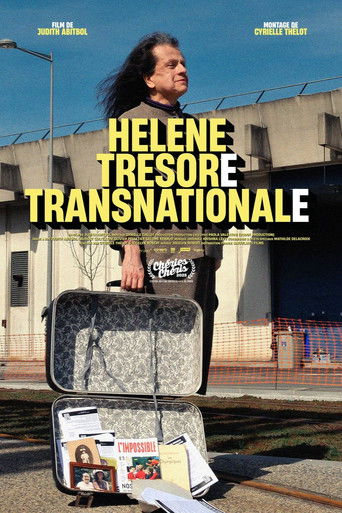
In this intimate portrait addressed directly to Hélène Hazera, filmmaker Judith Abitbol revisits a key figure of France’s countercultures from the late 1960s to the 1990s. A member of the Gazolines and the FHAR (Homosexual Front for Revolutionary Action), Hazera was a tireless LGBTQ activist who founded Act Up’s Trans and AIDS commissions—one of her proudest achievements. Her true victory, however, was becoming the first transgender journalist at a major national newspaper (Libération), and later a producer at Radio France and France TV. Through her story, Abitbol reconnects with the insurrectionary spirit and creative chaos of those decades—an era when French culture was shaken by radical imagination, humor, and defiance. The film celebrates these modern Antigones who dared to live their desires beyond the reach of any law.
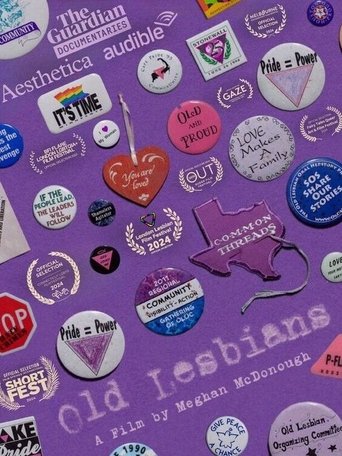
For the last quarter century, Houston native Arden Eversmeyer journeyed across the country to record hundreds of oral "herstories" with a mostly invisible population that is rapidly disappearing. Old Lesbians honors Arden's legacy by animating the resilient, joyful voices she preserved in the Old Lesbian Oral Herstory Project, from first crush to first love, from the closet to coming out, and finally from loss to connection.