

The Land Smiles Back
Documentary
Overview
For generations, the Samburu people and their livestock have had a deep connection with water, depending on the rains for their survival. The Land Smiles Back is the story of the Samburu community in Westgate Conservancy, who made the land “smile” again by returning to ancient hydrotechnology.


No cast information.
Similar Movies
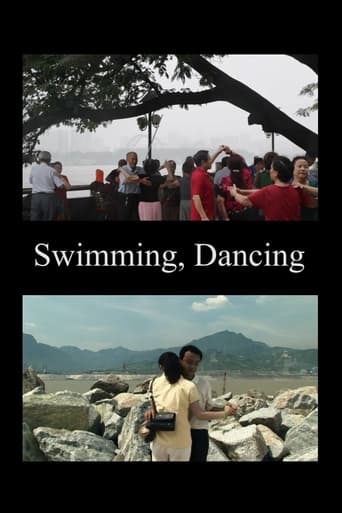
Swimming, Dancing examines audiovisual representations of the Yangtze (1934–present), from silent film to video art to the contemporary vlog. Inspired by the city symphonies of the 1920s, Swimming, Dancing pieces together a “river symphony”, evoking the images, sounds and contradictions that make up the river’s turbulent history.
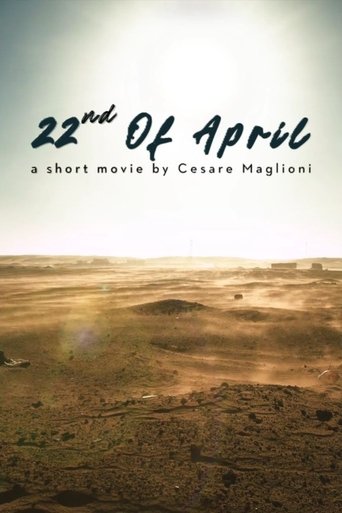
The coronavirus is affecting the entire planet, killing thousands, changing the way we see the world and pushing our societies to rethink its habits deeply. One habit to improve above all others to be able to win the fight against this new common enemy is… hand-washing. But what about those places where fresh water is not a given primary commodity
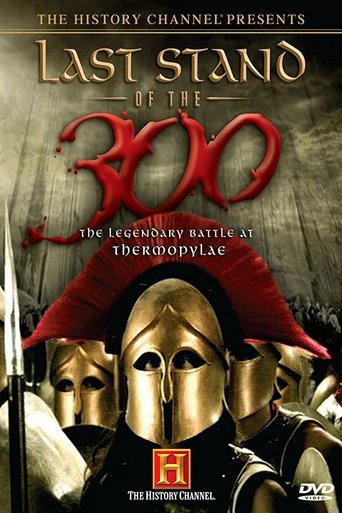
This is the true and astounding saga of the Spartans at Thermopylae. It is among the greatest tales of war ever recounted. All the glory and grit of these warriors' last stand is captured in this exceptional documentary. It is almost impossible to understand how 300 Spartans managed to hold off the million-man Persian army for even a moment, much less seven days. To a man they paid with their lives but their stunning Last Stand assured that their sacrifice would resonate throughout history. Transporting dramatizations and incisive graphics put you in the heat of the battle and show the lay of the land. The complications and strategies of the conflict are revealed through careful analysis, and critical moments are reconstructed to show exactly what happened. Discover what the Spartans were fighting for, what made them capable of such heroics and what drove them to such sacrifice.
The decision to move to Holland doesn't sound like a wise idea. Why move to a country that could be flooded at any moment? For the last 25 years, the political climate has shifted. The public debate on migration has become harsher, more heated, and polarized. What would have been considered right-wing xenophobia back then, is now considered mainstream. Populists simplify complex realities into good and evil, victims and perpetrators: ‘us’ versus ‘them’. Their rhetoric often consists of dehumanizing words and metaphors. One of these is ‘water’. In reality, water is not an immediate threat to the average Dutch person; but it is a huge threat to the thousands trying to reach the Netherlands. People trying to survive the Mediterranean Sea in rubber boats. Trying to survive winter on the Aegean coast in primitive tents. To them, water really is deadly.
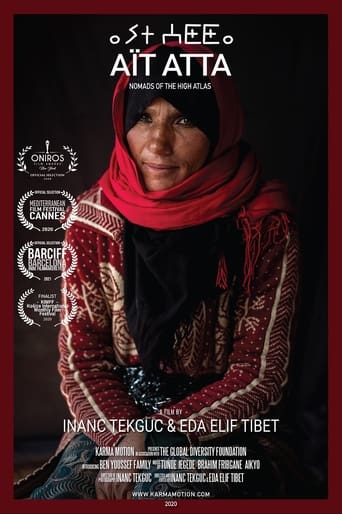
The Aït Atta tribe of the High Atlas mountain range in Morocco preserves their ancestral right of access to the agdal, a communal land management system that dates back hundreds of years. The film follows Ben Youssef family’s arduous transhumance journey from the desert-like landscape of Nkob to the green pastures of Agdal Igourdane, throughout uneven terrain of steep climbs and descents of these High Atlas mountains. They migrate each summer with their 800 goats, donkeys, mules, camels and dogs, as they embark on this formidable journey on foot.
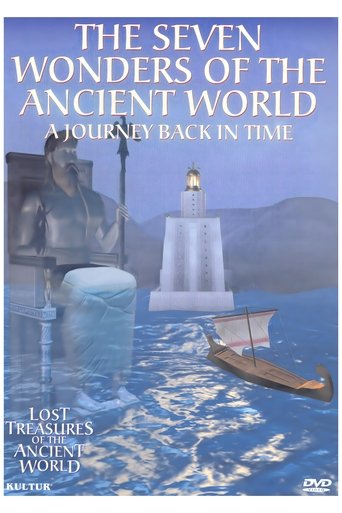
This program presents the stories of the works of architecture regarded by the Greeks and Romans as the most extraordinary structures of antiquity: the Hanging Gardens of Babylon, The Statute Of Zeus, the Temple of Artemis, the Mausoleum of Halicarnassus, the Pharos of Alexandria and the Pyramids of Egypt and more.
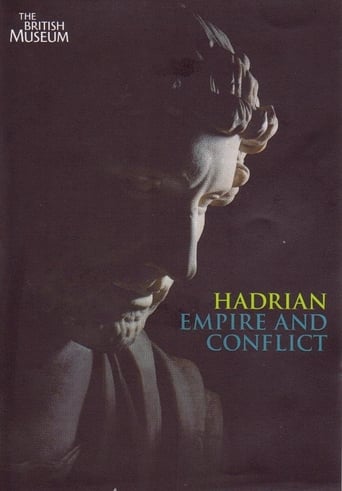
Documentary released to coincide with the British Museum's exhibition dedicated to the man who ruled the Roman Empire from 117 to 138 AD. The programme explores the life, achievements, passions and legacy of the emperor who was both soldier and poet and responsible for that most famous construction - Hadrian's Wall. The documentary was produced in conjunction with the exhibition Hadrian: Empire and Conflict at the British Museum 24 July - 26 October 2008.
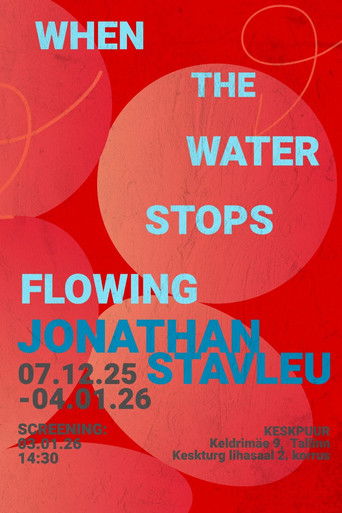
Jonathan Stavleu explores, in a stream-of-consciousness video essay, the relationship people have with water and what happens when access to it is taken away. For this work, he examines anecdotal histories he has heard from Estonians, as well as stories from his own family history in the Netherlands, weaving them together into a journal-like narrative.
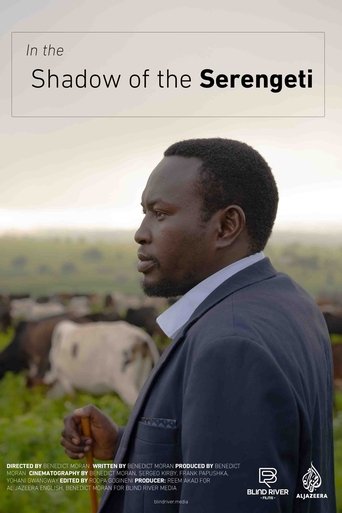
A Maasai human rights lawyer fights to stop the evictions of his people from their homelands in Tanzania. On the outskirts of Serengeti National Park in East Africa, Maasai face eviction from their land to make way for international tourism and hunting grounds. Human rights lawyer Joseph Oleshangay campaigns for his community to remain on its homeland as it has done for generations. While he represents Maasai communities in court, Joseph also remains close to his traditions among the cattle at his rural home near the Ngorongoro Crater. Risking his life to gather evidence from recently depopulated villages, Joseph battles in court where he leads the fight to resist the evictions.