





Artur Agostinho
Artur Agostinho
Locução / Amigo que os conduz ao metropolitano
Artur Agostinho
Locução / Amigo que os conduz ao metropolitano
Similar Movies
"Graphic City" explores Lisbon's vibrant urban art scene through the unique eyes of artist Mariana Duarte Santos. Between murals and interventions that transform public space, the film delves into the streets of the Portuguese capital to reveal the artistic expression that arises from the city's walls. This documentary captures the creative spirit of Lisbon, where every corner becomes an open canvas for the imagination.
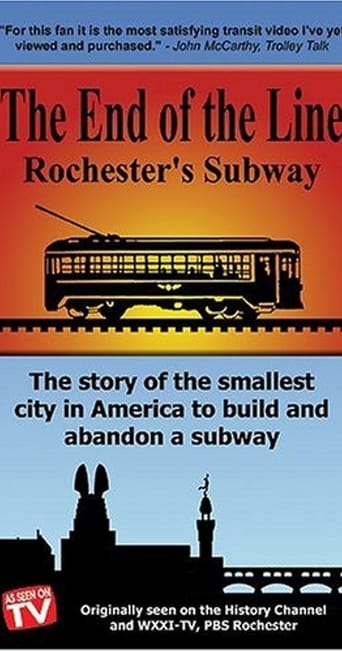
"The End of the Line - Rochester's Subway" tells the little-known story of the rail line that operated in a former section of the Erie Canal from 1927 until its abandonment in 1956. Produced in 1994 by filmmakers Fredrick Armstrong and James P. Harte, the forty-five minute documentary recounts the tale of an American city's bumpy ride through the Twentieth Century, from the perspective of a little engine that could, but didn't. The film has since been rereleased (2005) and now contains the main feature with special portions that were added as part of the rereleased version. These include a look at the only surviving subway car from the lines and a Phantom tun through the tunnels in their abandoned state, among others, for a total of 90 minutes of unique and well preserved historical information.
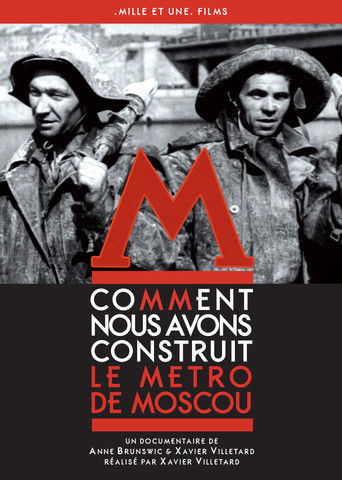
In the 1930’s, the workers of the underground, headed by brigades of writers, are in charge to write in real time "the history of the Moscow Metro". Based on their narratives, partially unpublished, the film recounts the first lines construction of the most beautifiul underground in the world, in the light of this "big literary Utopia", stoped by the purges of 1937-38.
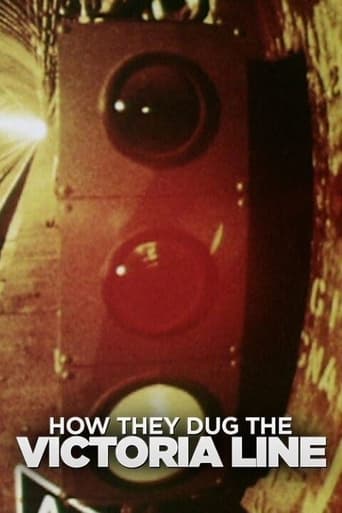
First transmitted in 1969, this documentary follows the construction of the world’s most advanced underground system. Macdonald Hastings narrates the story of one of the most complex tunnel engineering feats of its time. He reveals the isolation felt by the miners who spent six years burrowing deep beneath the streets of London, shows what they did beneath one of London's most famous department stores and explains why the ground at Tottenham Court Road had to be frozen during the hottest weeks of 1966. The result is a brave new world of transport with automated trains, two way mirrors, automatic fare collection and closed-circuit television, all choreographed by a computer programme played out by an updated version of a pianola located in a control room somewhere near Euston station.