


Saving the Hidden Coral of the Mediterranean
Documentary
Overview
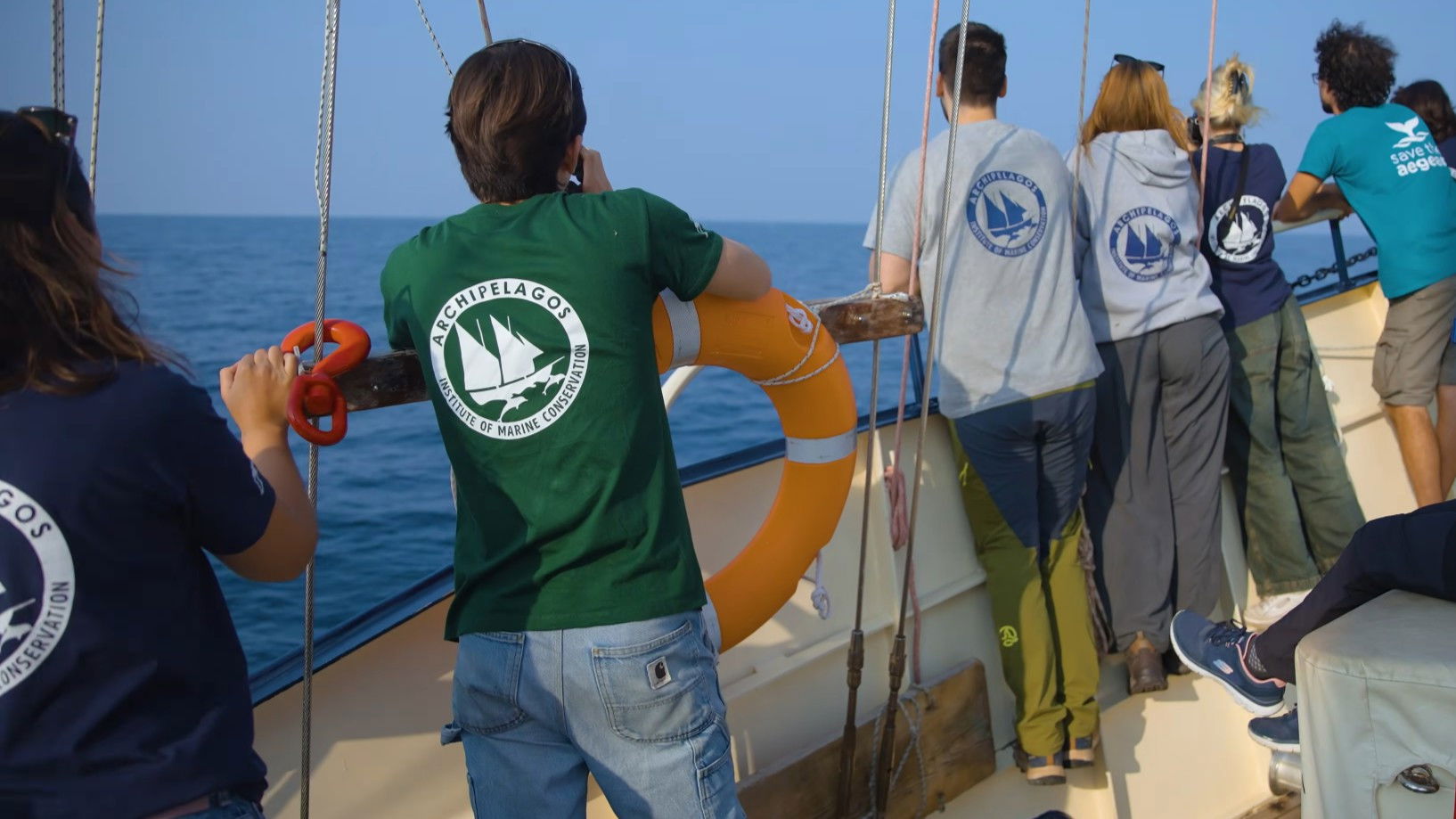
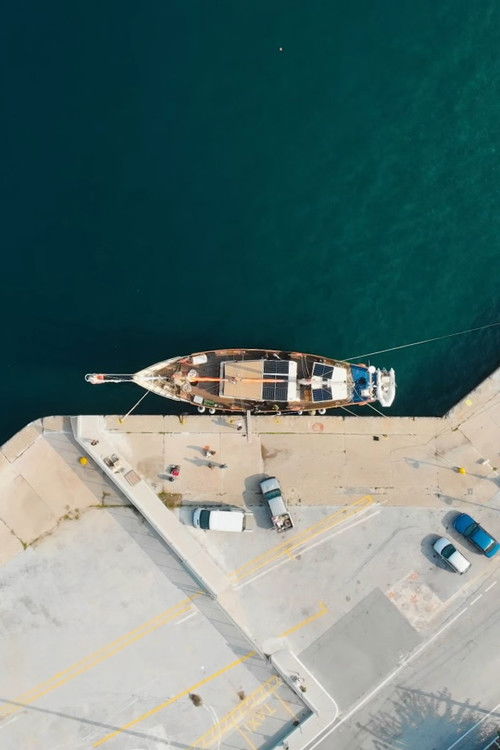
The coral in the mediterranean form unique underwater habitats, usually between 30–150m deep. These ecosystems support more than 1,800 species but have been decimated by destructive bottom trawling fishing, which can flatten centuries-old coral structures in minutes. RAZOR’s Russell Beard meets Anastasia Miliou and her team of scientists at the Archipelagos Institute of Marine Conservation. They have been mapping coral to provide the hard scientific evidence needed to secure their long-term protection. Their work has led to the recent creation of a protected no-trawl zone around the Fourni Islands. Over the years the organization has developed into one of the Mediterranean's most respected marine research and conservation institutes, attracting a new generation of scientists tooling up for a future of fighting the colossal challenges facing our seas. Over 26 years, they have hosted over 27,000 young people from 43 countries.
Top Cast
Russell Beard
Russell Beard
Russell Beard
Russell Beard
Russell Beard
Similar Movies
Bacteria, viruses, but also fungi, algae, pollen, and even insects: micro-organisms thrive and circulate constantly in our sky. How can so many living beings find their way into the air and circulate? How do they survive? And what influence do they have on our lives and the living world? Biodiversity, health, climate: it is only recently that scientists have begun to understand how this discreet aerial "plankton" affects our lives and our ecosystem. But despite their many virtues, some of these micro-organisms are now threatened by human activities. With the help of experts and 3D models, this scientific investigation plunges us into the heart of a still mysterious world, and reveals the diversity and fragility of the air we breathe.
Last May record temperatures provoked a GLOF or glacial lake outburst flood in northern Pakistan, sweeping away bridges and villages in the valley below the Shisper glacier. Higher up the mountains, a semi-nomadic people called the Wakhi were leading their yaks to summer pastures 15,500 feet above in the mountains. Their traditional lifestyle has also been heavily impacted by climate change. From the K2 and the Himalayas, we profile the scientists,mountain climbers, and the villagers on this global warming frontline.
Violent squalls, hail, waterspouts, lightning... storms put animals and plants to the test. At a time when climate change is multiplying extreme weather events, this documentary plunges into the heart of a storm, from the heavy, dry atmosphere that precedes it to the deluge that follows.

Offshore wind farms are a major player in the move away from fossil fuels, especially in the North Sea, and they are increasing in number. But their impact on the environment is not yet clear: We take a look at ongoing research in Europe that is measuring the impact of wind turbines and their harm, or benefit, to biodiversity in our seas.
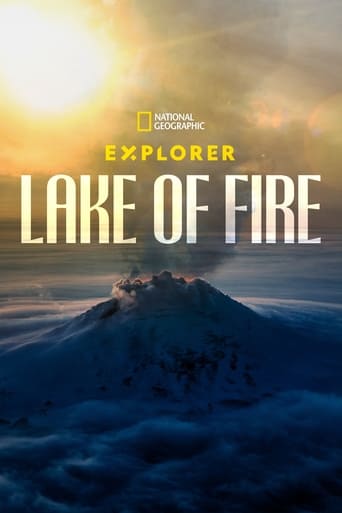
In 2001, satellite imagery captured a mysterious “thermal anomaly” on an unexplored volcano at the ends of the Earth. What lies inside could provide new clues to help predict volcanic eruptions around the globe. But the island is so remote with conditions that are so extreme. No one has ever been able to reach the top to investigate what lies inside.. until now.

When a devastating famine descended on Soviet Russia in 1921, it was the worst natural disaster in Europe since the Black Plague in the Middle Ages. Examine Herbert Hoover’s American Relief Administration—an operation hailed for its efficiency, grit and generosity. By the summer of 1922, American kitchens were feeding nearly 11 million Soviet citizens a day.