

Surrender To Everest
Documentary · Adventure · Drama
Overview
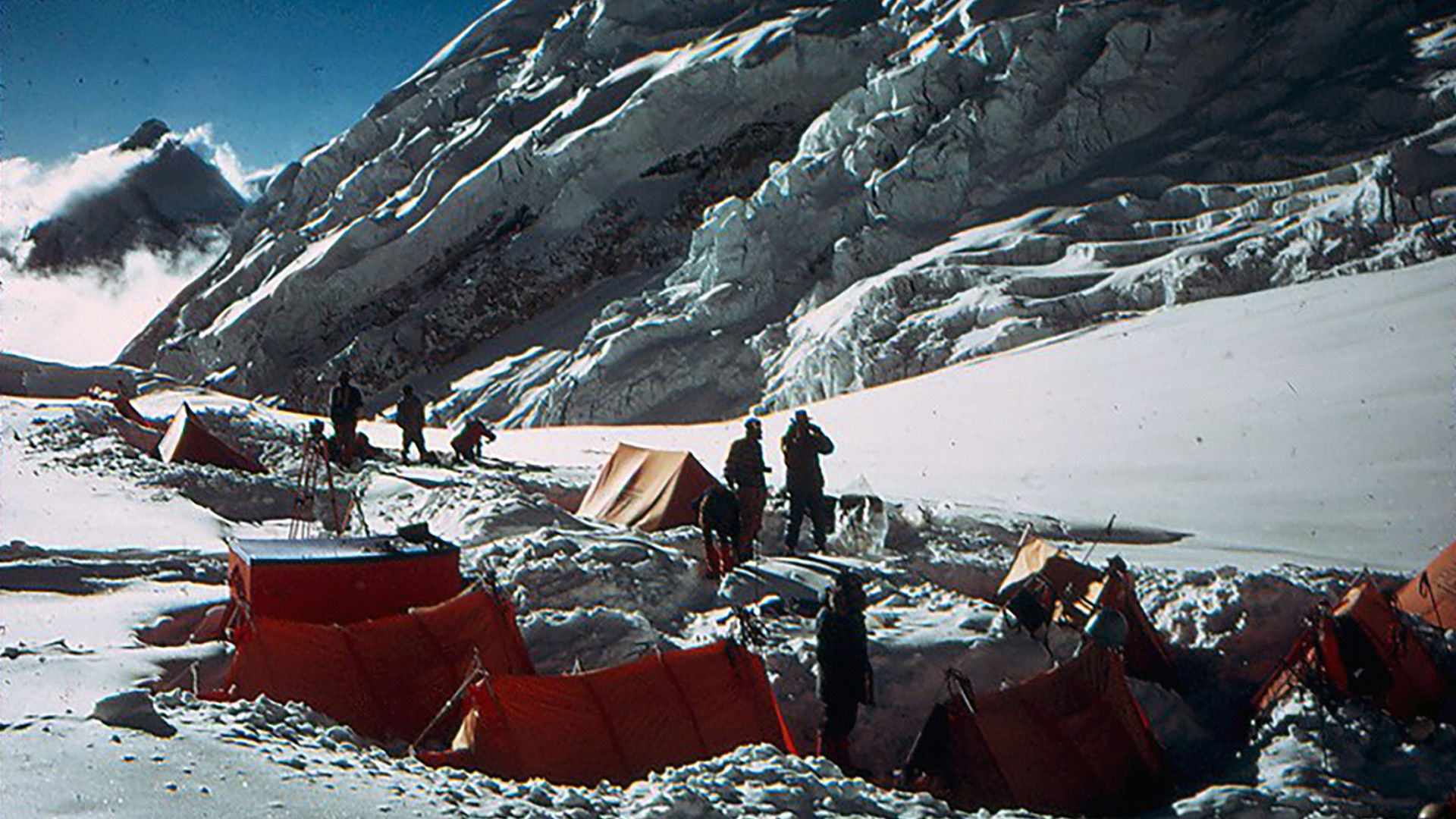
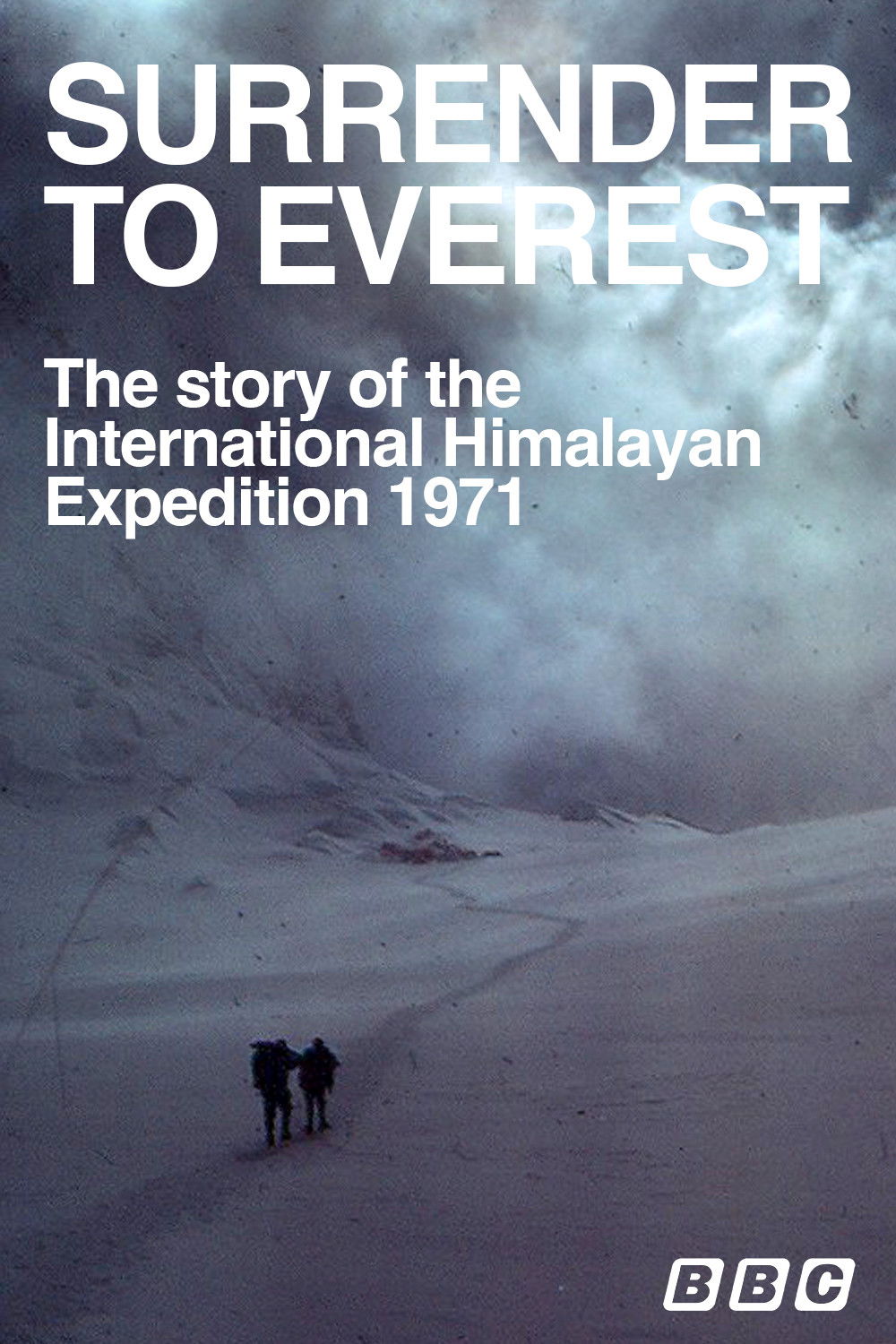
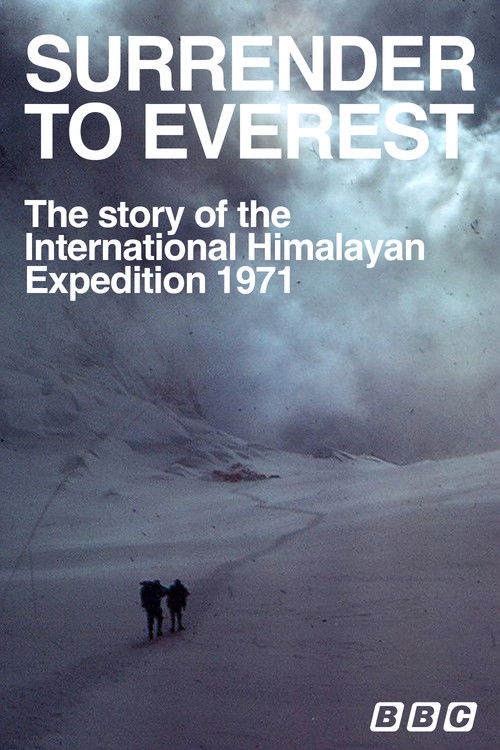
In 1971, American Norman Dyhrenfurth led an expedition of 30 climbers from 13 different countries, including Don Whillans, Dougal Haston, Naomi Uemura, Pierre Mazeaud, Michel Vaucher, and others. This expedition aimed to simultaneously climb the southwest face and the direct west ridge. During the ascent, Indian climber Harsh Vardhan Bahuguna perished at Camp 3 in a storm. The expedition, already suffering from organizational problems, was severely tested after his death. The Americans decided, unilaterally, to abandon the west ridge. The Europeans, who had spent days equipping the route, were left out and felt relegated to the roles of route setters and porters. Frenchman Pierre Mazeaud, Swiss climbers Michel and Yvette Vaucher, and Italian Carlo Mauri then left the expedition. The Americans continued their ascent of the southwest face up to 8,350 meters before giving up.



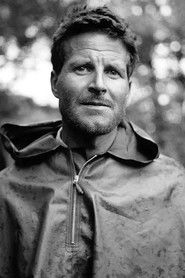
Norman Dyhrenfurth
Norman Dyhrenfurth
Self
Norman Dyhrenfurth
Self
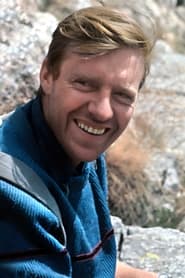
Michel Vaucher
Michel Vaucher
Self
Michel Vaucher
Self

Yvette Vaucher
Yvette Vaucher
Self
Yvette Vaucher
Self

Pierre Mazeaud
Pierre Mazeaud
Self
Pierre Mazeaud
Self
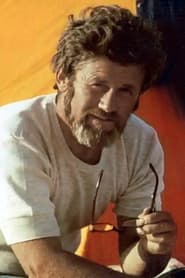
Carlo Mauri
Carlo Mauri
Self
Carlo Mauri
Self
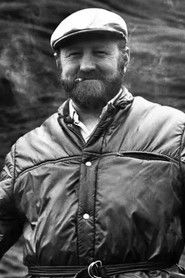
Don Whillans
Don Whillans
Self
Don Whillans
Self
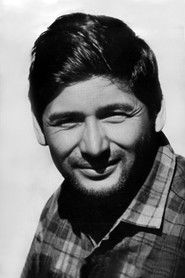
Harsh Vardhan Bahuguna
Harsh Vardhan Bahuguna
Self
Harsh Vardhan Bahuguna
Self

Paul Scofield
Paul Scofield
Narrator
Paul Scofield
Narrator
Wolfgang Axt
Wolfgang Axt
Self
Wolfgang Axt
Self
Odd Eliassen
Odd Eliassen
Self
Odd Eliassen
Self
Similar Movies
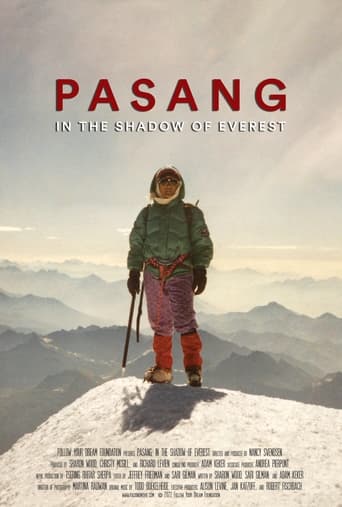
Transcending cultural barriers and consistently going against the grain, female Nepali climber Pasang Lhamu Sherpa attempted to summit Everest four times in the early nineties. Although she was not allowed to attend school as a child, Pasang did not let that stop her from pursuing her dreams. After founding her own trekking company in Kathmandu, she blazed a trail for Nepali women via her efforts to summit Everest. Proving how big you can dream and how far you can go to achieve those dreams, she left a legacy not only for the family she has left behind, but for the myriad women following in her footsteps.
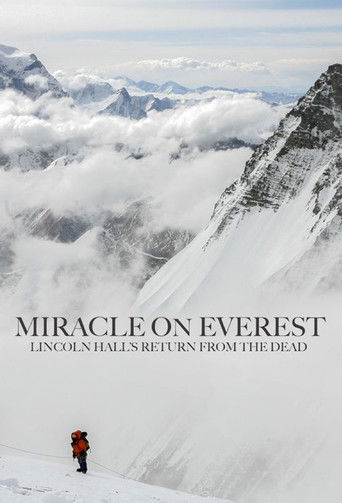
2006 was one of the deadliest Everest seasons on record. Experienced mountaineer Lincoln Hall was invited to join an expedition as a high altitude cameraman. It was his second attempt to summit the mountain, having turned back just short 22 years earlier. Shortly after reaching the summit, Hall began to behave irrationally, suffering from lack of oxygen. Aided by his loyal Sherpas for over 9 hours, he eventually collapsed and they declared him dead. His family were informed and the news hit headlines. But something happened that night that science cannot explain. The next morning Lincoln Hall was found alive by approaching climbers and his dramatic rescue began. Never before has a man been declared dead so high on Everest and survived. This is the remarkable true story of Lincoln Hall’s extraordinary journey back from beyond.
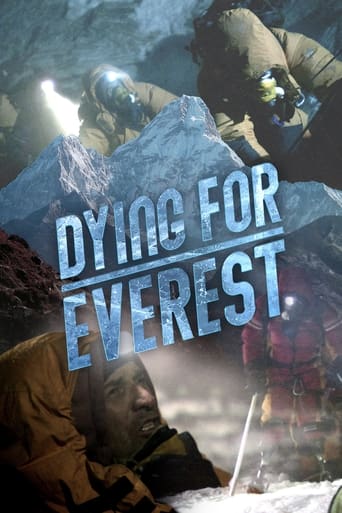
On 15 May, 2006, double amputee Mark Inglis reached the summit of Mt Everest. It was a remarkable achievement and Inglis was feted by press and public alike. But only a few days later he was plunged into a storm of controversy when it was learned that he had passed an incapacitated climber, Englishman David Sharp, leaving him to a lonely end high in the Death Zone.

Alex Txikon, internationally renowned mountaineer, is launching a new winter expedition in 2021 to Manaslu (Nepal). It is the first non-polluting ascent, powered by solar panels. With this sustainable system, which reduces the energy footprint in accordance with the Paris Agreements, the EKI Foundation is beginning its work of solidarity. Alex is going to learn about the work developed by the Foundation in Sierra Leone, where they provide solar energy systems that enable energy autonomy in schools and hospitals. Txikon proposes to replicate this idea in a very special school in the Diamer Valley in Pakistan, the Günter Mountain School, uniting two different but at the same time equal cultures.
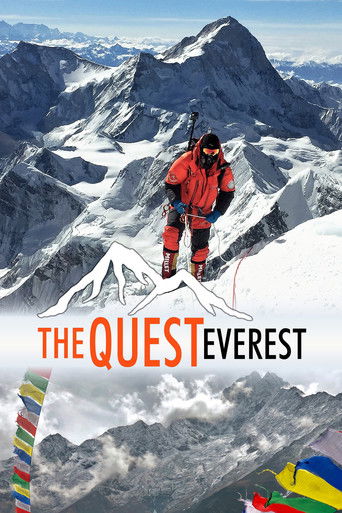
THE QUEST: Everest is a journey to deeper understand and climb the most iconic mountain in the world, Mt. Everest, and to reveal its amazing history and culture. From experiencing Everest like never before to witnessing unique stories about one of the most remarkable places on earth, THE QUEST: Everest is a one-of-a-kind cinematic tribute to the human spirit of adventure that lives inside us all.
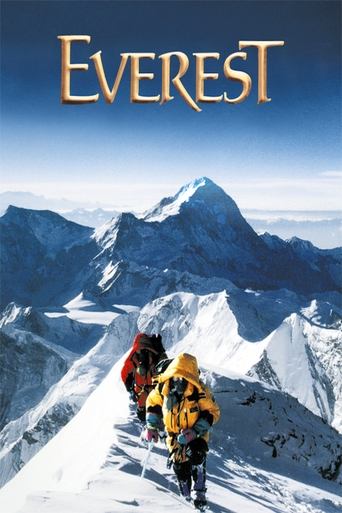
An international team of climbers ascends Mt. Everest in the spring of 1996. The film depicts their lengthy preparations for the climb, their trek to the summit, and their successful return to Base Camp. It also shows many of the challenges the group faced, including avalanches, lack of oxygen, treacherous ice walls, and a deadly blizzard.
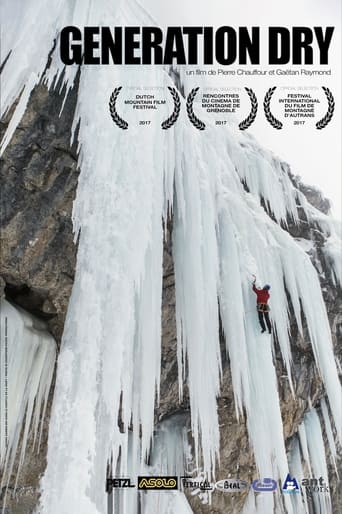
It is a fact that our winters are less and less cold. Therefore it is harder and harder to get the conditions for ice-climbing. Fortunately, man adapts to his environment and makes progress: this is how dry-tooling was born. This movie will make you discover this discipline: its history, its evolution and the current practice. You will also see how much excitement dry tooling can bring. Dry-tooling now allows to free-climb some routes which were impossible to climb without aid in the past.