

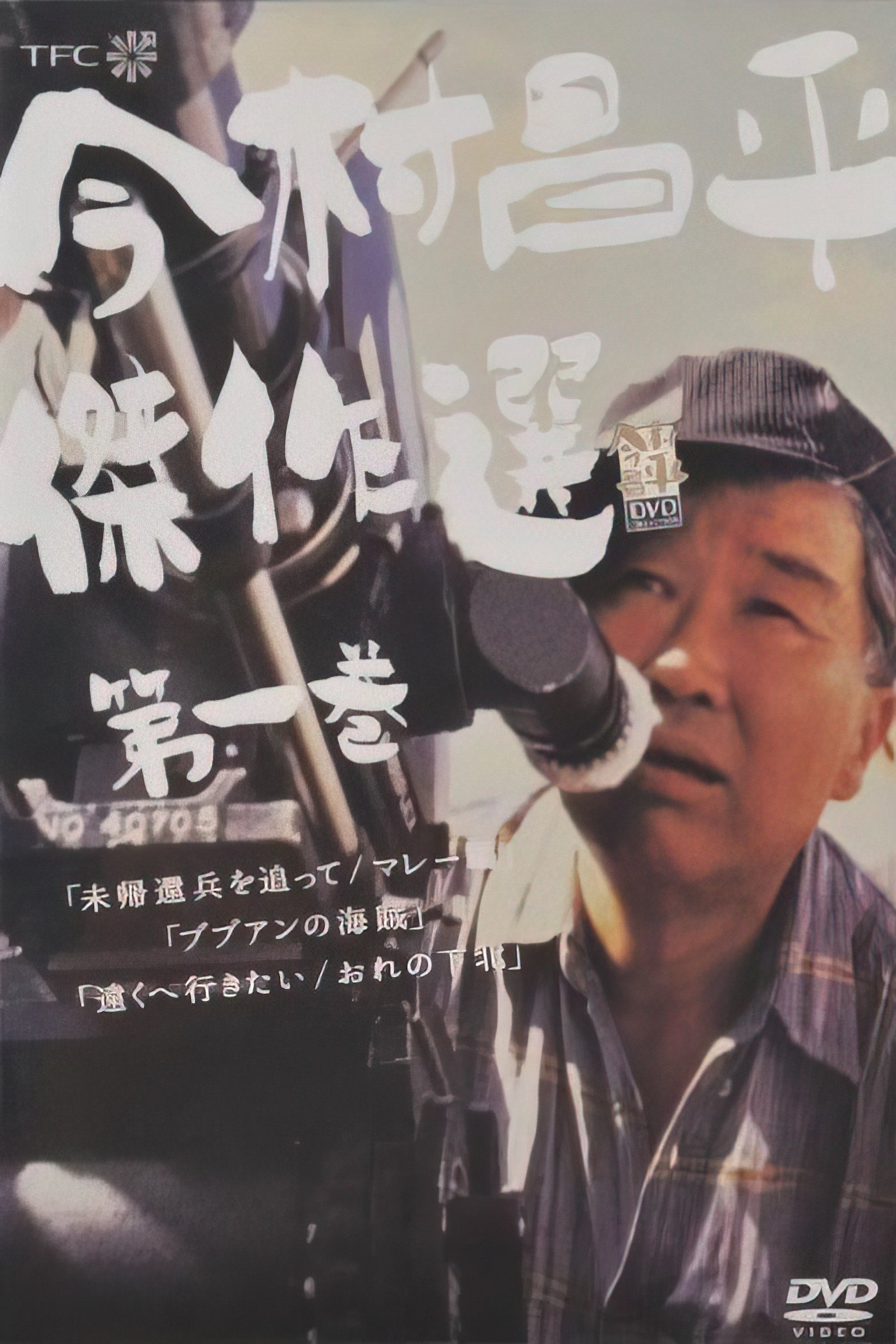
Following the Unreturned Soldiers: Malaysia
Documentary · TV Movie
Overview
Famed filmmaker tracks down former Japanese soldiers in Malaysia.








No cast information.
Similar Movies

In the heart of Borneo's rainforests, one of the oldest and most biodiverse ecosystems on Earth, lives the orangutan, arguably the largest tree dweller. The main story is about mother ape Sati and her one-and-a-half-year-old daughter Huyan on their journey through the jungle, while at the Sepilok Orangutan Rehabilitation Centre, orphaned and rescued young animals are given a chance at a new life in the wild. But their habitat is threatened by radical deforestation and palm oil plantations. This impressive documentary shows these endangered great apes at eye level for the first time. With the help of innovative drone technology an insight into the dizzying treetops of the jungle giants was, achieved where they mostly stay. It discovering the secret lives of these extraordinary animals with insightful footage and partly some scenes never before seen. Unforgettable images illustrate why protecting the rainforests is crucial for the orangutans and the future of our planet.

The documentary retraces the steps of Bruno Manser, a man from Switzerland who went to live with the indigenous tribe of the Penan in the Jungle of Borneo and endef up helping their struggle to defend their rainforest against greedy logging companies. The movie features original film, photo and voice recordings by Bruno Manser made in the 1980s, as well as new recordings showing how the life of the Penan has changed in just a few decades.
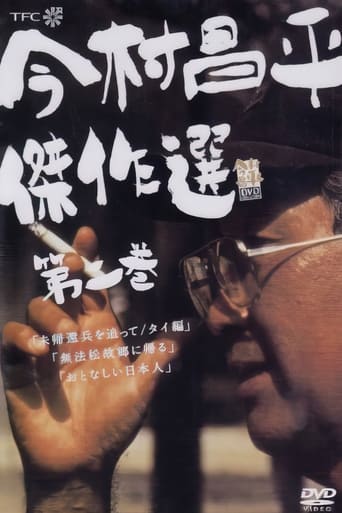
“In Search of Unreturned Soldiers was about former soldiers of the Japanese army who chose not to return to Japan after the war. I found several of them who had remained in Thailand. Two years later, I invited one of them to make his first return visit to Japan and documented it in Outlaw-Matsu Returns Home. During the filming, my subject Fujita asked me to buy him a cleaver so that he could kill his ‘vicious brother.’ I was shocked, and asked him to wait a day so that I could plan how to film the scene. By the next morning, to my relief, Fujita had calmed down and changed his mind about killing his brother. But I couldn’t have had a sharper insight into the ethical questions provoked by this kind of documentary filmmaking.” —Shôhei Imamura
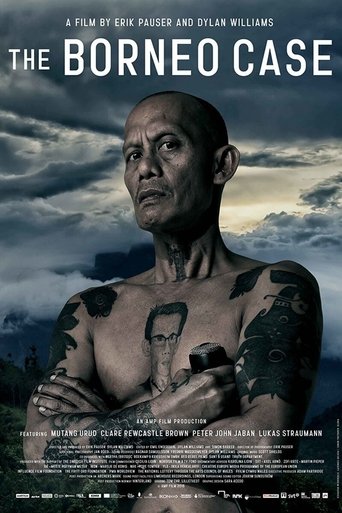
The Borneo Case is a unique story filmed over 25 years and tells the epic tale of how the rainforest, home of the last nomads was stripped of its natural resources. It reveals how billions of dollars of illegal profits solicited by the Chief Minister of Sarawak State in Malaysia were money laundered with the assistance of the largest global banks into offshore accounts and property portfolios all over the world. The case was labelled as the largest environmental crime of the century.

In December 1993, a luxury condominium tower block collapse after ground erosion from the neighbouring hillside. About 50 people lost their lives and to this day has become one of the darkest and saddest tragic incidents in Malaysian history. Twenty years later in 2013, a group of documentary filmmakers venture into the remaining two blocks that is left standing to do a ghost hunting expedition. What they discovered is not for the faint-hearted.
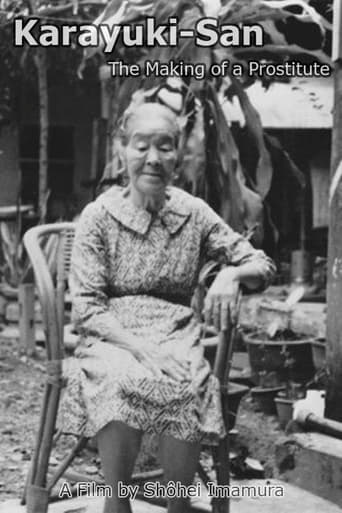
Karayuki-san, the Making of a Prostitute is a 1975 Japanese film by director Shohei Imamura. It is a documentary on one of the Japanese "karayuki-san," who were women that were taken from their homes in Japan and used as prostitutes in the post-war period. Many of these women were told that they were doing this to support their families because of the extreme poverty that the war left much of Japan to live in. Imamura focuses on a particular such woman who was sent to Malaysia and never returned to Japan. Joan Mellen, in The Waves at Genji's Door, called this film, "Perhaps the most brilliant and feeling of Imamura's fine documentaries."
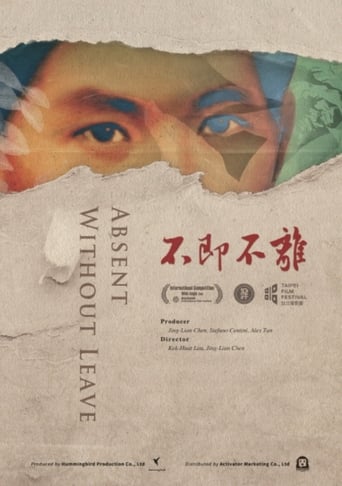
They sacrificed their lives fighting for the independence of their country, but their stories remain untold for 60 years. The story begins with a man’s portrait, which has been hanging for more than 30 years in an old wooden house where I was born and grew up in Perak, Malaysia. It’s long become a taboo that my families do not talk about this man, not even to bring up his name or his past. Eventually I found out he is my grandfather, who sacrificed his life fighting for Malaysia’s independence and decolonisation, but his and his comrades’ stories are excluded from history. This documentary set out to unveil the mysteries.
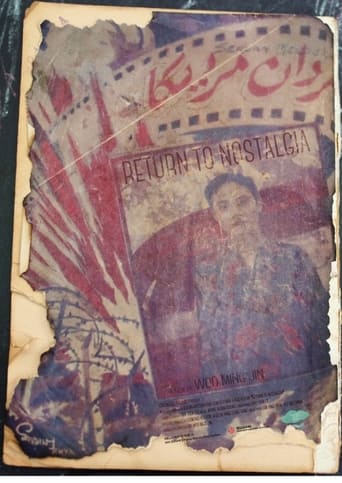
Local filmmaker Woo Ming Jin and his crew traversed across Peninsular Malaysia and Singapore to find 'Seruan Merdeka' (1947) - the first film made in Malaya post-WWII, and also the first film in the history of Malaysian cinema to feature a biracial cast of Malays and Chinese. While tracking the film's whereabouts, Woo met many locals along the way, whom he interviewed in an effort to find out more about the country's history.