

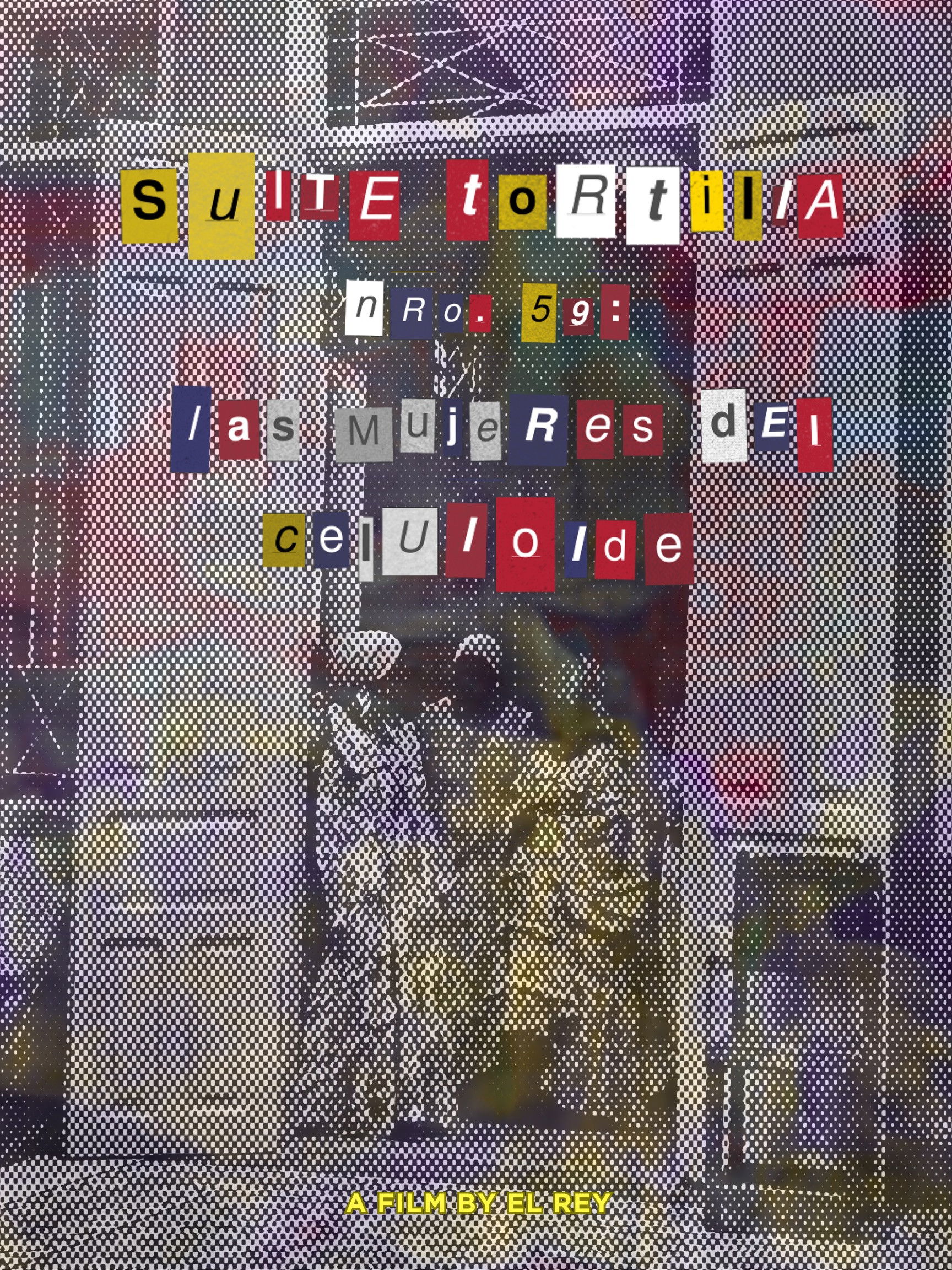
Suite Tortilla #59: The Celluloid Women
Music · Documentary · History
Overview
An American lesbian in Cuba explores gender through dance and film, blending personal experiences and cultural symbols with music and Revolutionary cinema and questions how lesbians fit into Cuban cinema.





Eliseo Altunaga
Eliseo Altunaga
Self (Voice)
Eliseo Altunaga
Self (Voice)
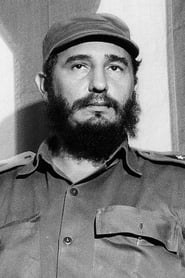
Fidel Castro
Fidel Castro
Self (Voice)
Fidel Castro
Self (Voice)

Sergio Corrieri
Sergio Corrieri
Self (Voice)
Sergio Corrieri
Self (Voice)
Adriana Fernández Castellanos
Adriana Fernández Castellanos
Self (Voice)
Adriana Fernández Castellanos
Self (Voice)

Amiel Williams
Amiel Williams
Narrator / Self (Voice)
Amiel Williams
Narrator / Self (Voice)
Claudia Terry
Claudia Terry
Self (Voice)
Claudia Terry
Self (Voice)

Eslinda Núñez
Eslinda Núñez
Self
Eslinda Núñez
Self

Adela Legrá
Adela Legrá
Self
Adela Legrá
Self

Daisy Granados
Daisy Granados
Self
Daisy Granados
Self
Similar Movies
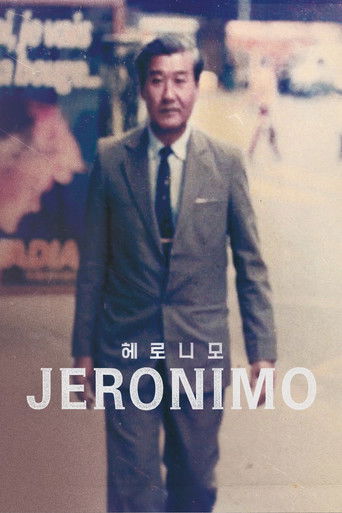
Born to Korean immigrant parents freed from indentured servitude in early twentieth century Mexico, Jerónimo Lim Kim joins the Cuban Revolution with his law school classmate Fidel Castro and becomes an accomplished government official in the Castro regime, until he rediscovers his ethnic roots and dedicates his later life to reconstructing his Korean Cuban identity. After Jerónimo's death, younger Korean Cubans recognize his legacy, but it is not until they are presented with the opportunity to visit South Korea that questions about their mixed identity resurface.

Edward Wilson, the only witness to his father's suicide and member of the Skull and Bones Society while a student at Yale, is a morally upright young man who values honor and discretion, qualities that help him to be recruited for a career in the newly founded OSS. His dedication to his work does not come without a price though, leading him to sacrifice his ideals and eventually his family.
Afro-Cubans played a leading role in the fight to free Cuba from Spanish domination; as part of that struggle, slavery was abolished. Nevertheless, as African descendants began to achieve a semblance of social and economic parity, the plantocracy, backed up by the US army, sought to undo their gains. Determined to resist, veterans of the Mambi army formed the Party of Independents of Color, gaining wide popular support and ultimately threatening the domination of the white Cuban rulers. Their response was savage, and 6,000 Afro-Cubans were massacred; until this film, these events have been shrouded in silence.
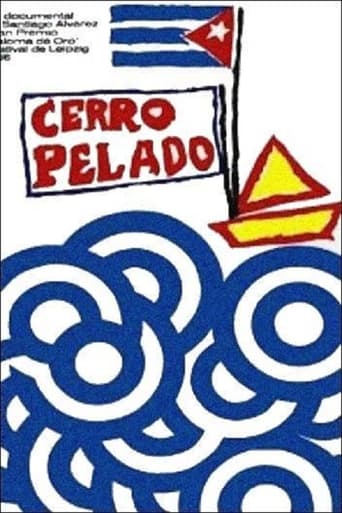
A ship of athletes training on the rough seas becomes a symbol of Castro’s Cuba, the games projected on the backdrop of political struggle. This is the story of a ship and of a sports delegation whom the enemy tried to stop from participating in the Tenth Central American and Caribbean Games.
A docu-drama shot in 1970, but not completed until 1973, the film sought to encapsulate in an experimental form issues that were under discussion within the Women’s Liberation Movement at this time and to thus contribute to action for change. In its numerous community screenings, active debate was encouraged as part of the viewing experience.