

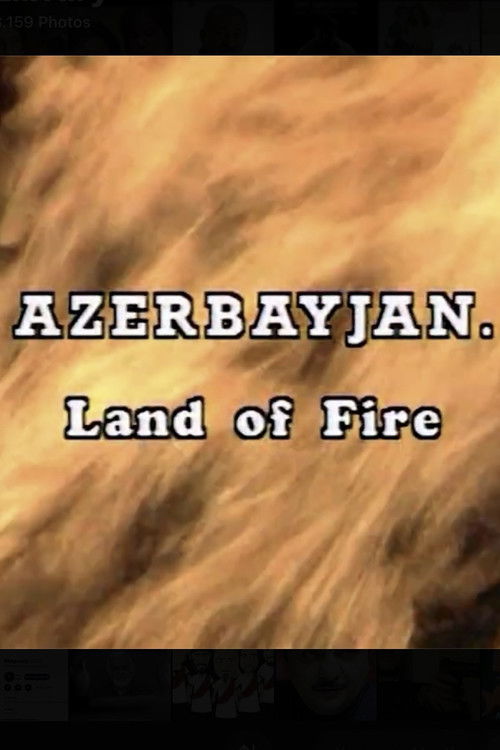
Azerbaijan. Land of Fire
Documentary · History
Overview
The film is about Azerbaijan.







No cast information.
Similar Movies
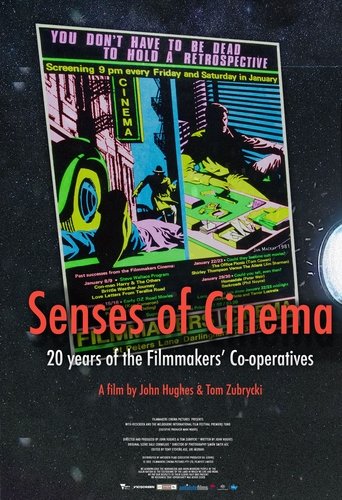
As notions of civil rights transformed across the world, so was the screen landscape reformed by the ascension of grassroots film movements seeking to challenge the mainstream. Some aspired to push form to its limit; others worked to destabilise what they saw as a homogenous industry, or to provoke questions around gender, sexuality, migration and race.

During the student crisis of 1968, Ines, an 18-year-old homosexual, is prevented from attending law school by her family, who believe that this is not the right course for a woman. This awakens in Inês a feeling of injustice, which leads her to accept Julio's invitation to join the high school students' association. The next day, we find out that the student association has been closed since they found a copy of the clandestine newspaper "Avante!" on the premises. The rectory then decides to expel suspicious students, starting a revolt in the high school and an ideological confrontation between the couple of Inês and Adelaide.
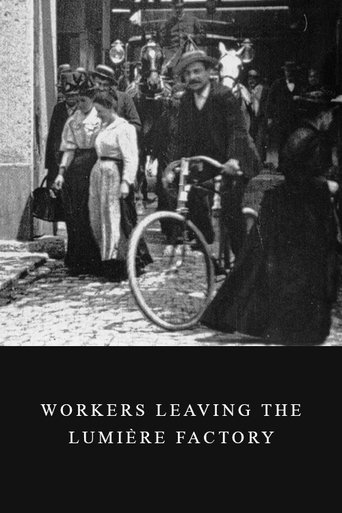
Working men and women leave through the main gate of the Lumière factory in Lyon, France. Filmed on 22 March 1895, it is often referred to as the first real motion picture ever made, although Louis Le Prince's 1888 Roundhay Garden Scene pre-dated it by seven years. Three separate versions of this film exist, which differ from one another in numerous ways. The first version features a carriage drawn by one horse, while in the second version the carriage is drawn by two horses, and there is no carriage at all in the third version. The clothing style is also different between the three versions, demonstrating the different seasons in which each was filmed. This film was made in the 35 mm format with an aspect ratio of 1.33:1, and at a speed of 16 frames per second. At that rate, the 17 meters of film length provided a duration of 46 seconds, holding a total of 800 frames.
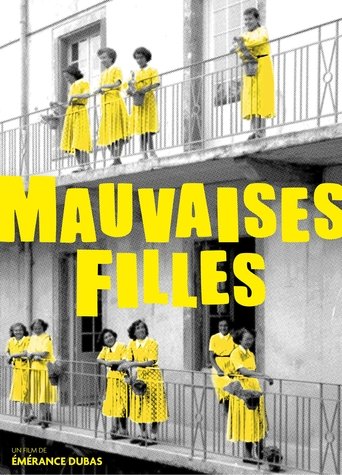
Disobedients, rebels, misunderstoods or simply unpopulars. As many other french women, Édith, Michèle, Éveline and Fabianne had been put in a juvenile detention center during their teenage years. Nowadays, with an incredible strength, each of them relate their story, and unveil the deeply moving fate lived by these « bad girls » until the late 70's.