

Whitlam Dismissal - 50 Years
Documentary
Overview
The dismissal of an elected Australian Government has only happened once. 50 years ago, in 1975, Sir John Kerr sensationally sacked PM Gough Whitlam. Greg Jennett looks at the legacy of the historic event and how it shaped democracy.
Greg Jennett
Greg Jennett
Self
Greg Jennett
Self
John Faulkner
John Faulkner
Self
John Faulkner
Self

Sam Mostyn
Sam Mostyn
Self
Sam Mostyn
Self
Similar Movies

An epic tale about the making of Australia. This tells the stories of the founding fathers and of the people in six separate colonies in the decades leading to Federation. It's a tale of winners and losers, of great debates which unified the country, of the struggle not just to make an Australian nation, but to create Australian democracy.
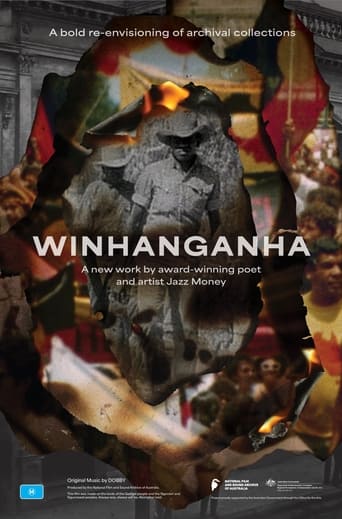
WINHANGANHA (Wiradjuri language: Remember, know, think) - is a lyrical journey of archival footage and sound, poetry and original composition. It is an examination of how archives and the legacies of collection affect First Nations people and wider Australia, told through the lens of acclaimed Wiradjuri artist, Jazz Money.

Packed with drama, high emotions and cliff-hanger moments, Australia Says Yes is the intimate and personal history of struggle and perseverance that propelled Australia to say Yes to marriage equality. The film shows how a group of determined individuals fought tirelessly against unjust laws that treated LGBTIQ people as second-class citizens, creating a movement that saw them go from criminals to legally equal over the course of five decades.
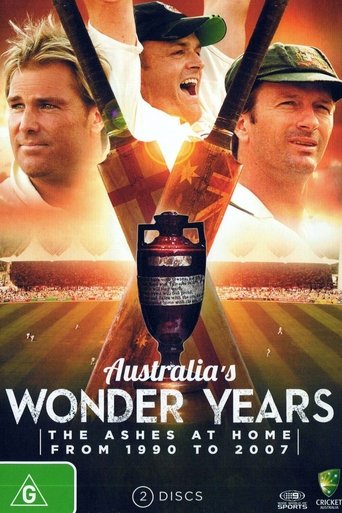
Over 5 red-hot summers between 1990 and 2007, Australia dominated the Ashes down under like never before: in 25 test matches, the rampant Aussies won 18 and lost just 3. It was an unforgettable era when all-time greats including Shane Warne, Glenn McGrath, Allan Border and Steve Waugh inflicted cricket misery upon the English. While Australia re-wrote the record books - showing the inventors of the game how to dominate it We relive unforgettable moments from this all-conquering age: Steve Waugh's career-saving last-ball century; Shane Warne's Ashes hat-trick, the first in over 90 years; Adelaide's amazing victory plucked from nowhere during the 5-nil whitewash of 2006/07. Aussie's lethal bowling artillery: while McGrath and Warne dined out on England's batsmen, Jason Gillespie, Stuart MacGill, Merv Hughes, Brett Lee and Bruce Reid delivered their own brand of merciless bowling attack. These were the wonder years when Australia made history - and England was history.
Julie Peters is a legend in the trans community in Australia. She was the first person to transition at the ABC, at a time when there were no role models around her. From her early twenties, Julie started collecting anything trans or queer related to help her work out who she was. Over the years she’s collected one of the most comprehensive trans archives in the country. Including Interview with ABC MD David Anderson.
A compelling portrait of an extraordinary figure, Aboriginal WWI soldier Douglas Grant, featuring acclaimed Indigenous actor Balang Tom E. Lewis (in his final performance). Grant (c.1885-1951) was extraordinarily famous in his day, an intellectual, a journalist, a soldier, a reader of Shakespeare and a bagpipe player who could put on a fine Scottish accent. His life story connects Archduke Franz Ferdinand, Adolf Hitler, and Henry Lawson among other famous figures as he moved from Australia to Europe, UK and back. Lewis’s thoughtful and often playful reflections on Grant’s life, along with guest appearances from Max Cullen and Archie Roach, connect to the larger story of Australia’s tragic colonial history and its troubled relationship with First Australians.
A story of struggle and tragedy, the film features harrowing underground disasters, heroic rescues and traces a history of strikes, industrial turmoil and the current push by global mining giants to destroy regional communities and replace local mineworkers with a subservient itinerant workforce.
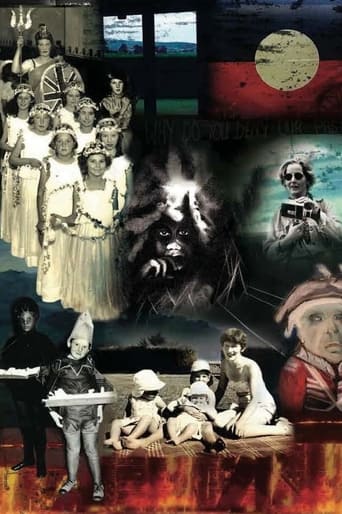
A poetic cine-essay about race and Australia’s colonised history and how it impacts into the present offering insights into how various individuals deal with the traumatic legacies of British colonialism and its race-based policies. The film’s consultative process, with ‘Respecting Cultures’ (Tasmanian Aboriginal Protocols), offers an evolving shift in Australian historical narratives from the frontier wars, to one of diverse peoples working through historical trauma in a process of decolonisation.