

The Merry Wives
Comedy · History
Overview
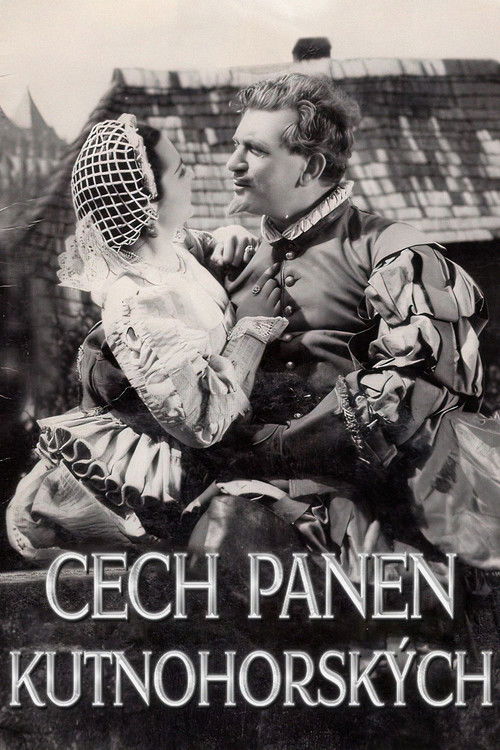
A morally questionable lord comes to the aid of a working class man who is to be executed for speaking out about thieving rich scoundrels sticking it to the poor.
Top Cast
Zdeněk Štěpánek
Mikulas Dacicky of Heslov

Ladislav Pešek
Ocko
Václav Vydra
Wilhelm z Vřesovic
Helena Friedlová
Ludmilla
František Smolík
Alderman Triska

Jiřina Šejbalová
Sofia Triska
Theodor Pištěk
Squire Vodnansky
Antonie Nedošinská
Vodnansky's Wife

Elena Hálková
Eva
Gustav Hilmar

Hana Vítová
Elisabeth Mladekova

Adina Mandlová
Rozina




Zdeněk Štěpánek
Zdeněk Štěpánek
Mikulas Dacicky of Heslov
Zdeněk Štěpánek
Mikulas Dacicky of Heslov
Ladislav Pešek
Ladislav Pešek
Ocko
Ladislav Pešek
Ocko
Václav Vydra
Václav Vydra
Wilhelm z Vřesovic
Václav Vydra
Wilhelm z Vřesovic
Helena Friedlová
Helena Friedlová
Ludmilla
Helena Friedlová
Ludmilla
František Smolík
František Smolík
Alderman Triska
František Smolík
Alderman Triska
Jiřina Šejbalová
Jiřina Šejbalová
Sofia Triska
Jiřina Šejbalová
Sofia Triska
Theodor Pištěk
Theodor Pištěk
Squire Vodnansky
Theodor Pištěk
Squire Vodnansky
Antonie Nedošinská
Antonie Nedošinská
Vodnansky's Wife
Antonie Nedošinská
Vodnansky's Wife
Elena Hálková
Elena Hálková
Eva
Elena Hálková
Eva
Gustav Hilmar
Gustav Hilmar
Gustav Hilmar
Similar Movies

Hate Mail is an epistolary play something like Love Letters, with two actors reading letters and other correspondence, but it's a little wilder and more hysterically funny. It tells the story of Preston, a spoiled rich kid who meets his match in Dahlia, an angst-filled artist. Their worlds collide when Preston sends a complaint letter that gets Dahlia fired from her job, and then there's no turning back. The play stays with their increasingly crazed correspondence as they move from hate to love, and then right back again.
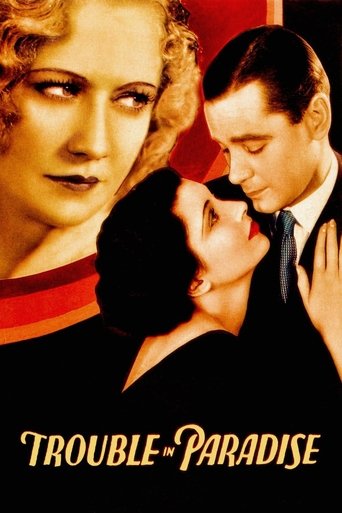
Thief Gaston Monescu and pickpocket Lily are partners in crime and love. Working for perfume company executive Mariette Colet, the two crooks decide to combine their criminal talents to rob their employer. Under the alias of Monsieur Laval, Gaston uses his position as Mariette's personal secretary to become closer to her. However, he takes things too far when he actually falls in love with Mariette, and has to choose between her and Lily.
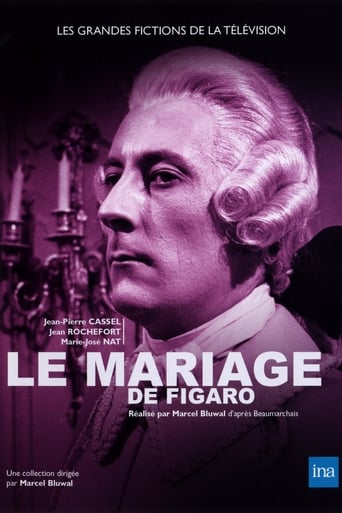
Comedy in five acts by Beaumarchais, filmed by Marcel Bluwal in studio and on location. The cast, in accordance with Marcel Bluwal's wishes, is in keeping with the age and character of the characters, to give it rhythm. At once "a comic baroque play, a bourgeois drama, a chansonnier's number, a social satire, a farce and a very pretty love story" according to Marcel Bluwal, it can also be summed up, according to Beaumarchais, as "the most bantering of intrigues".