

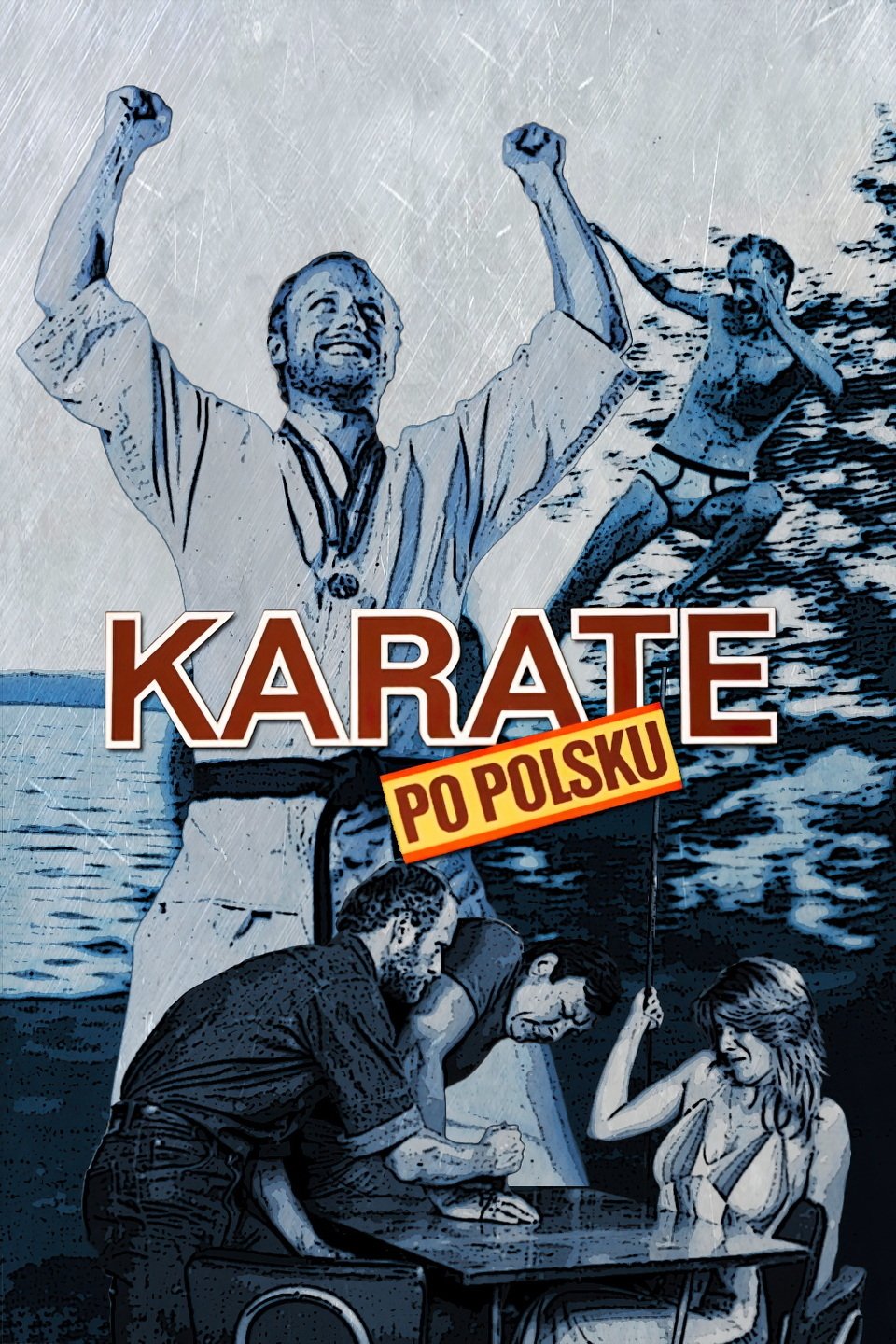
Karate Polish Style
Drama
Overview
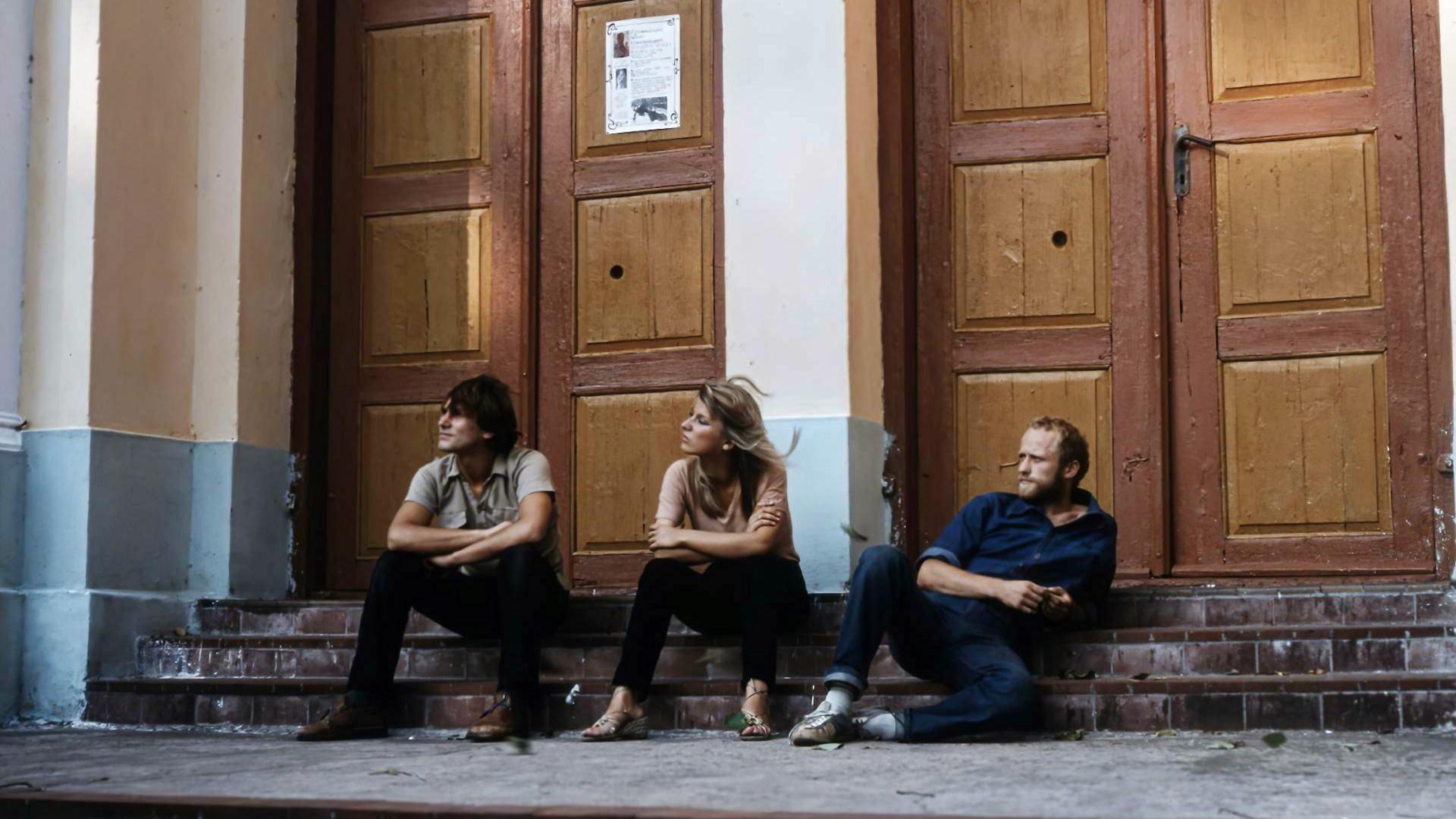
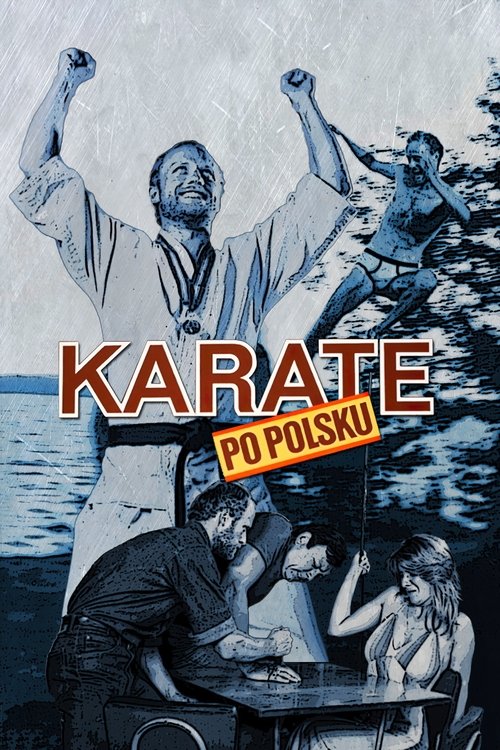
The story takes place in a small, provincial town in Masuria. Beginner artist painter Piotr comes here from Warsaw to paint frescoes in the local church. Piotr is a great karate and treats everyone as potential rivals. His antagonist is Roman, the head of local hooligans. Soon there is a conflict between them and the situation becomes very dramatic.






Michał Anioł
Michał Anioł
Michal Szczerbic
Michał Anioł
Michal Szczerbic

Edward Żentara
Edward Żentara
Piotr
Edward Żentara
Piotr
Dorota Kamińska
Dorota Kamińska
Dorota
Dorota Kamińska
Dorota

Zbigniew Buczkowski
Zbigniew Buczkowski
Roman
Zbigniew Buczkowski
Roman

Jerzy Trela
Jerzy Trela
Captain
Jerzy Trela
Captain

Halina Buyno-Łoza
Halina Buyno-Łoza
Leżanowa
Halina Buyno-Łoza
Leżanowa

Bernard Ładysz
Bernard Ładysz
Rector
Bernard Ładysz
Rector
Piotr Grabowski
Piotr Grabowski
Gruby
Piotr Grabowski
Gruby

Stanisław Pąk
Stanisław Pąk
Szwagier
Stanisław Pąk
Szwagier
Zdzisław Rychter
Zdzisław Rychter
Duda
Zdzisław Rychter
Duda
Similar Movies
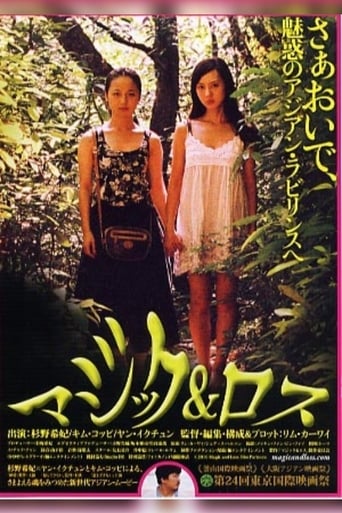
A dreamlike drama produced by and starring Sugino Kiki, a rising star in the independent film world. Two women who meet on a mysterious resort island become captivated by its allure and venture into an ethereal realm. It is the second feature directed by Malaysian filmmaker Lim Kah Wai. Japanese Kiki (Sugino) and South Korean Kkobbi (Kim Kkobbi) arrive on Hong Kong's Lantau Island. They have both rented rooms at a hotel near the Mui Wo forest, but when they enter the lobby, the only other person around is a bellboy.

An unknown calamity is killing off ninety-percent of mankind. There is no cure, no hope and no future. A man and woman, who are laden with suffering and anxiety, are drawn together. They spend their final days, and perhaps the final days of the planet, together in a different environment somewhere in central Japan of the near future.
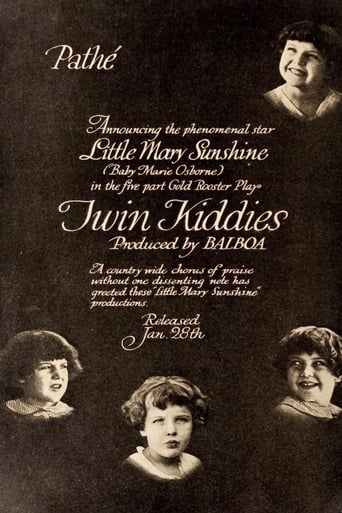
In March 1916, Pathé released a short feature entitled Little Mary Sunshine, starring a four-year-old Marie Osborne. This was one of the first features ever directed by King and it was so successful that Pathé asked the original production company, Balboa, for five more features with the same child wonder. All were produced during the second half of 1916, and only three of them survive today – one being Twin Kiddies, which shows the amazing progress King had made since the first film in the series. Of course, the story is thin, the ending quite abrupt, and the opening sequences rather long. Yet, the direction is much more subtle, alternating between shots of different size, suggesting that King was mastering the art of composition.