



Trouble In Tranny Land 3
Overview
Cum and get fucked by a tranny or have them spread their fine asses and take you!
Top Cast

Agatha McCartney
(archive footage)

Alex Victor
(archive footage)

Jonathan Kawa
(archive footage)

Kananda Hickman
(archive footage)

Keisy Maria
(archive footage)

Natalia Prado
(archive footage)

Rabeche Rayalla
(archive footage)

Rick Montilla
(archive footage)

Samara Lauys
(archive footage)

Darlene Amaro
(archive footage)

Gil Wolverine
(archive footage)










Agatha McCartney
Agatha McCartney
(archive footage)
Agatha McCartney
(archive footage)
Alex Victor
Alex Victor
(archive footage)
Alex Victor
(archive footage)
Jonathan Kawa
Jonathan Kawa
(archive footage)
Jonathan Kawa
(archive footage)
Kananda Hickman
Kananda Hickman
(archive footage)
Kananda Hickman
(archive footage)
Keisy Maria
Keisy Maria
(archive footage)
Keisy Maria
(archive footage)
Natalia Prado
Natalia Prado
(archive footage)
Natalia Prado
(archive footage)
Rabeche Rayalla
Rabeche Rayalla
(archive footage)
Rabeche Rayalla
(archive footage)
Rick Montilla
Rick Montilla
(archive footage)
Rick Montilla
(archive footage)
Samara Lauys
Samara Lauys
(archive footage)
Samara Lauys
(archive footage)
Darlene Amaro
Darlene Amaro
(archive footage)
Darlene Amaro
(archive footage)
Similar Movies
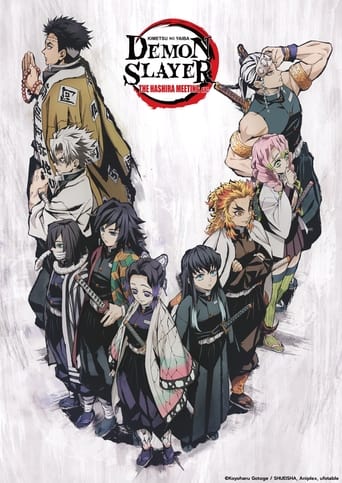
Tanjiro and Nezuko have been apprehended by the Demon Slayer Hashira, a group of extremely skilled swordfighters. Tanjiro undergoes trial for violating the Demon Slayer code, specifically smuggling Nezuko, a Demon, onto Mt. Natagumo. A recap of Kimetsu no Yaiba episodes 22–26, with new footage and special end credits.

A collection of Warner Brothers short cartoon features, "starring" the likes of Daffy Duck, Porky Pig and Wile.E.Coyote. These animations are interspersed by Bugs Bunny reminiscing on past events and providing links between the individual animations which are otherwise unconnected. This 1979 feature-length compilation includes several of his best cartoons. Among the 11 shorts shown in their entirety are the classics "Robin Hood Daffy," "What's Opera, Doc?," "Bully for Bugs," and "Duck Amuck". The Bugs Bunny Road Runner Movie provides a showcase not only for Jones's razor-sharp timing, but for the work of his exceptional crew, which included designer Maurice Noble, writer Mike Maltese, composers Carl Stalling and Milt Franklyn, and voice actor Mel Blanc.
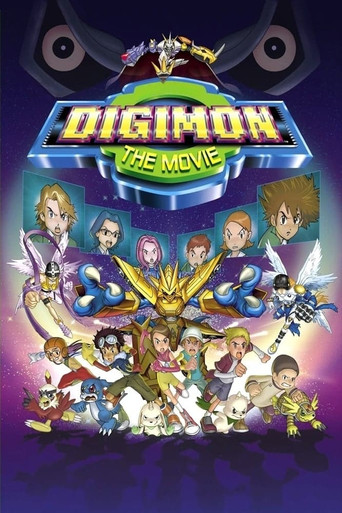
When a powerful new Internet Digimon hatches and begins to consume data at an alarming rate, the Digidestined - kids chosen to save the digital world - must put an end to the destruction before the damage becomes irreversible and worldwide communication halts forever. As computer-based missiles are launched, and a wayward Digimon kidnaps the Digidestined, only the combined efforts of a worldwide network of kids and a new group of "Digidestined" can rescue the others and stop global disaster.
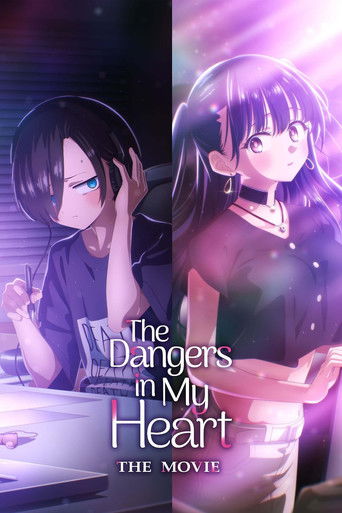
Kyotaro Ichikawa is a painfully awkward middle school boy deep in the throes of eighth-grader syndrome, spending his days obsessed reading morbid books like The Encyclopedia of Murder and anatomical diagrams. His quiet, isolated world is suddenly turned upside down when Anna Yamada, the classroom star, unexpectedly steps into his life. Whether she’s casually eating rice balls in the library, humming to herself, or suddenly closing the distance between them, Yamada’s unpredictable behavior leaves Ichikawa constantly off balance. And before he knows it, she is occupying his everyday thoughts. As they spend more time together, Yamada too begins to find herself drawn to Ichikawa in ways she never expected. It’s the first time either of them has truly understood what it means to “like” someone. Through misunderstandings and clumsy, heartfelt emotions, the distance between them slowly, but surely, begins to close.
A compilation of thirteen rare silent films digitized by the Library of Congress, selected for the 2022 Domitor conference theme “Copy/Rights and Early Cinema.” Drawn from nitrate and safety film, the program spans comedies, trick films, and dramas exploring censorship, invention, adaptation, and social rights. Titles include: Pruning the Movies (Nestor, 1914); Imperial Japanese Dance (Edison, 1894); Early Edison Camera Tests (Edison, c.1890s); Censorship and its Absurdities (Edison, 1915); In Wrong (Crystal, 1914, dir. Phillips Smalley); Tillie’s Tomato Surprise (Lubin, 1915, dir. Howell Hansell); Indian Land Grab (Champion, 1910); The Stolen Play (Falcon Features, 1917, dir. Harry Harvey); And the Villain Still Pursued Her (Vitagraph, 1906, dir. J. Stuart Blackton); The Doll’s Revenge (Hepworth, 1907, dir. Lewin Fitzhamon); The Disintegrated Convict (Vitagraph, 1907); The Mexican Joan of Arc (Kalem, 1911, dir. Kenean Buel); and Fads and Fashions of 1900 (U.S., 1940s).

Shadow Realm is a compilation of two episodes planned for the short-lived Fox Network television series Night Visions. Each episode contained two stories and were originally hosted by musician/actor/writer Henry Rollins. The Sci-Fi Channel acquired the rights to broadcast the episodes, including the last three unaired episodes and strung two of them together as an anthology movie. Title sequences and end credits were changed and the Henry Rollins introductions were removed from the final product.
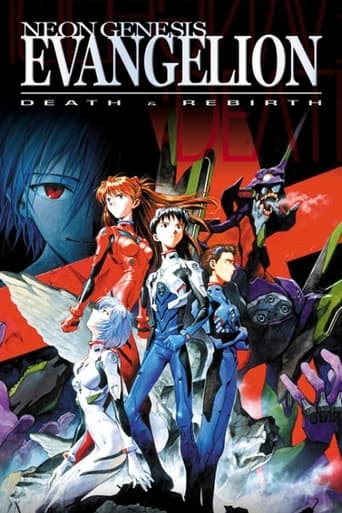
Originally a collection of clips from the Neon Genesis Evangelion TV series, Death was created as a precursor to the re-worked ending of the series. Rebirth was intended as that re-worked ending, but after production overruns Rebirth became only the first half of the first part of The End of Evangelion, with some minor differences.