


Check This Out
Documentary · Family
Overview
If you want teaching that is fun and exciting, you need Check This Out! This creative, cutting-edge new movie is loaded with six mini-videos, each covering a distinct “hot topic” in the creation/evolution debate and each answering the controversy at warp speed! Fully animated and colorful, this video is excellent for everyone—especially teens and college students. The six amazing mini-videos in Check This Out explain: Radiometric Dating (3:18) Fossils and the Flood (3:22) The Origin of Races (3:38) Pain & Suffering (2:16) The Nature of Science (3:55) Evolution Refuted (2:36)












No cast information.
Similar Movies
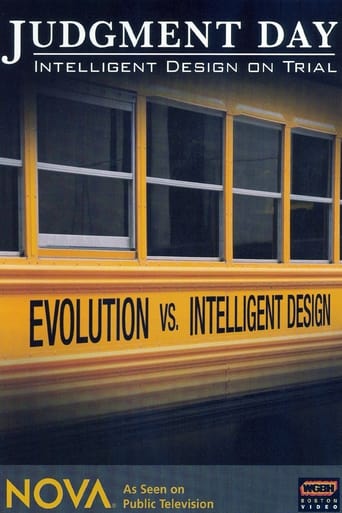
In this two-hour special, NOVA captures the turmoil that tore apart the community of Dover, Pennsylvania in one of the latest battles over teaching evolution in public schools. Featuring trial reenactments based on court transcripts and interviews with key participants, including expert scientists and Dover parents, teachers, and town officials, "Judgment Day: Intelligent Design on Trial" follows the celebrated federal case of Kitzmiller v. Dover School District.
Terrence McNally’s Corpus Christi is a play retelling the Jesus story, with Jesus as a gay man living in the 1950s in Corpus Christi, Texas. This documentary follows the troupe, playwright, and audience around the world on a five-year journey of Terrence McNally’s passion play, where voices of protest and support collide on one of the central issues facing the LGBT community: religion.
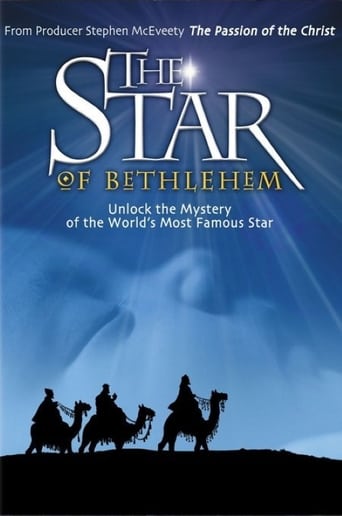
Scholars debate whether the Star of Bethlehem is a legend created by the early church or a miracle that marked the advent of Christ. Is it possible that the star was a real, astronomical event? From Producer Stephen McEveety (The Passion of the Christ) comes an amazing documentary on the Star of Bethlehem.
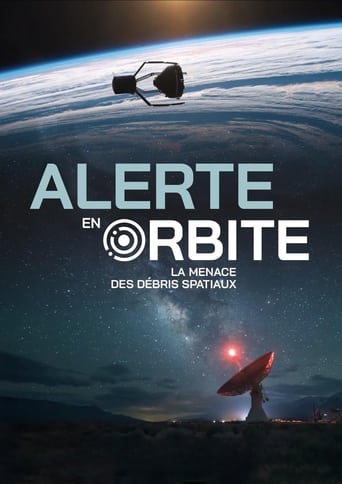
Today, hundreds of kilometers above our heads, millions of pieces of trash are orbiting randomly at breakneck speed. Scientists are now warning that, if nothing is done, the exploration outside our planet, and communications systems within, will be almost impossible within 30 years. How can we collect the space trash and avoid future disasters?