

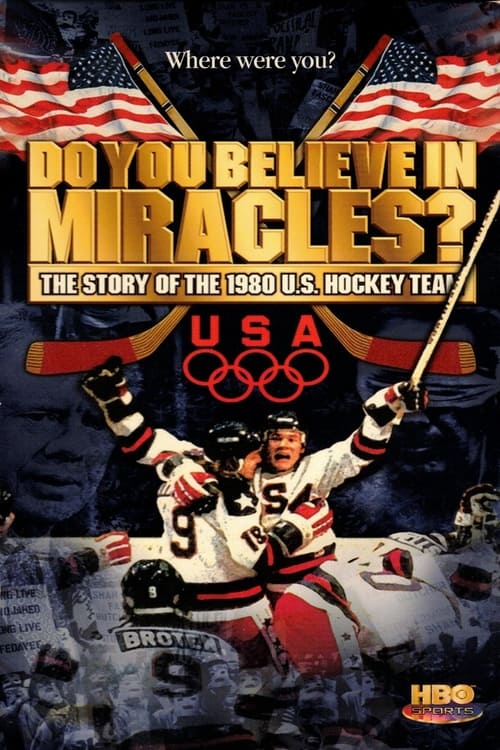
Do You Believe in Miracles? The Story of the 1980 U.S. Hockey Team
Documentary
Overview
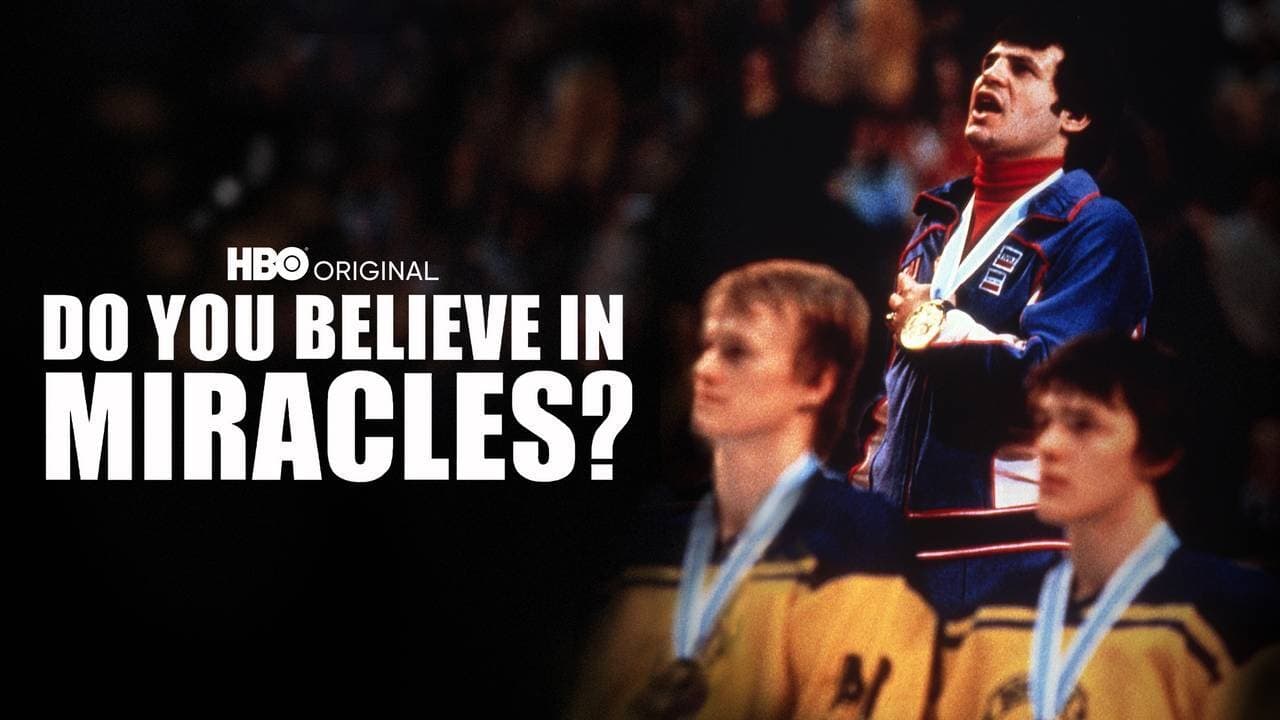
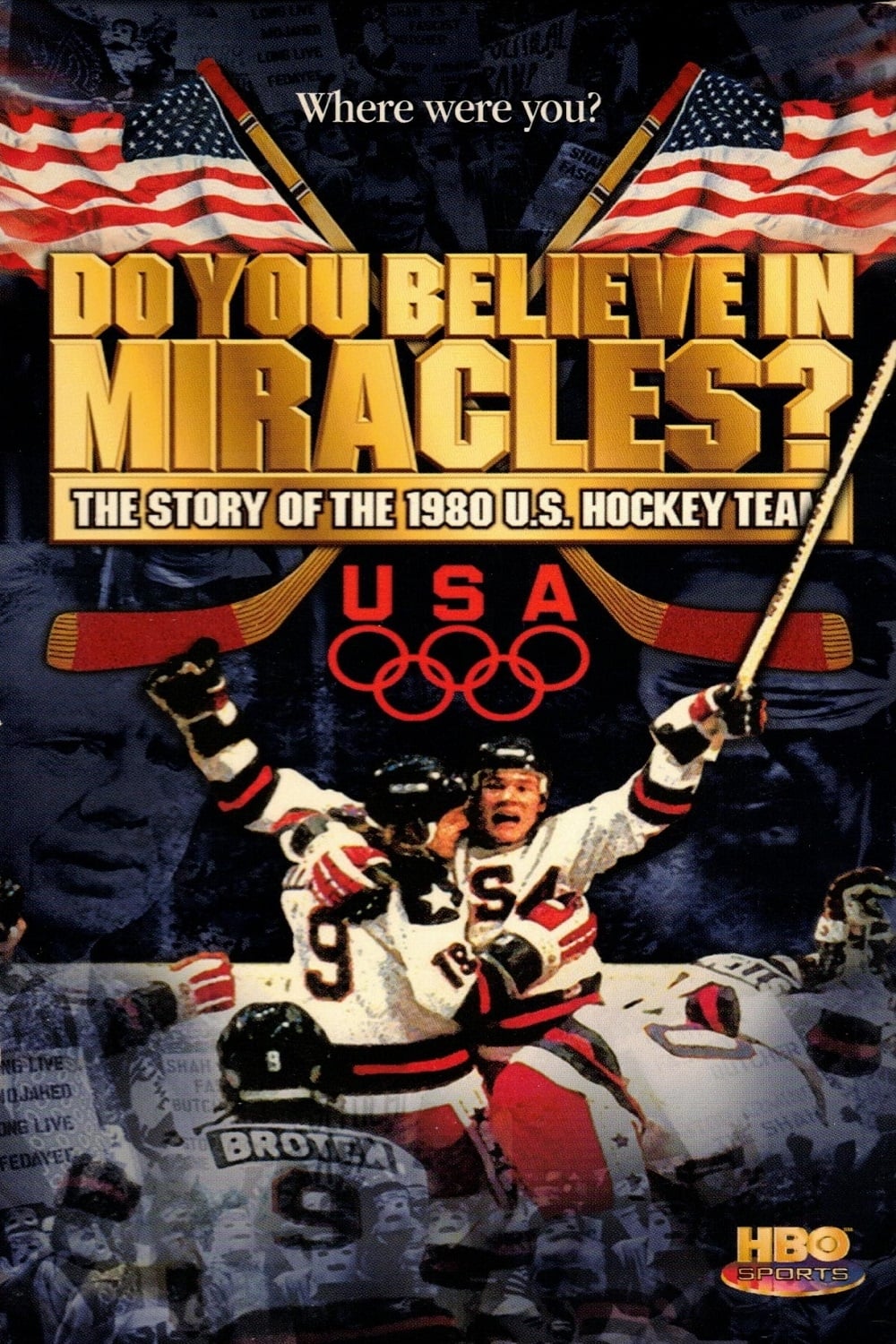
At the Winter Olympics of 1980, after two tense weeks amidst growing Cold War fears, the U.S. Olympic hockey team found themselves playing improbably against the legendary unbeatable Soviet Army hockey team for Olympic Gold. From the live footage taken at Lake Placid, NY, and through interviews beginning with the team's assembly through the experience of winning the gold medal.
Top Cast


Jack O'Callahan
Jack O'Callahan
Self
Jack O'Callahan
Self
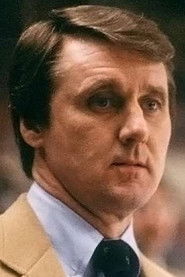
Herb Brooks
Herb Brooks
Self
Herb Brooks
Self

Mike Eruzione
Mike Eruzione
Self (Captain, USA 1980)
Mike Eruzione
Self (Captain, USA 1980)
Liev Schreiber
Liev Schreiber
Self - Narrator
Liev Schreiber
Self - Narrator

Al Michaels
Al Michaels
Self
Al Michaels
Self
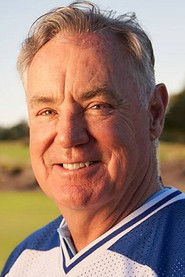
Jim Craig
Jim Craig
Self
Jim Craig
Self
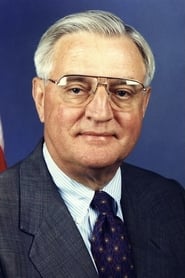
Walter Mondale
Walter Mondale
Self
Walter Mondale
Self
Craig R. Whitney
Craig R. Whitney
Self (New York Times)
Craig R. Whitney
Self (New York Times)
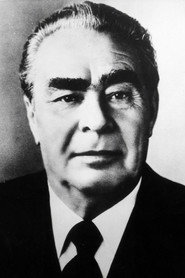
Leonid Brezhnev
Leonid Brezhnev
Self (archive footage)
Leonid Brezhnev
Self (archive footage)
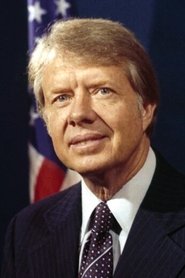
Jimmy Carter
Jimmy Carter
Self (archive footage)
Jimmy Carter
Self (archive footage)
Similar Movies
Onde Nostre is a lifestyle documentary film that shows the peculiarity of the Italian surf scene and the beauty of this sport, even in a country that's not usually considered a top destination for catching waves. With this film we intend show the passion and high level of the Italian surfers. The film is shot mainly in 16mm and super 8 and only a small part is shot digital in order to emphasize the beauty of the landscape. The film has a romantic approach to surfing. Action has a great relevance, with slow motion segments and an emotional editing. Onde Nostre also shows Italian surfers lifestyles and the endless search for good waves in the Mediterranean sea.
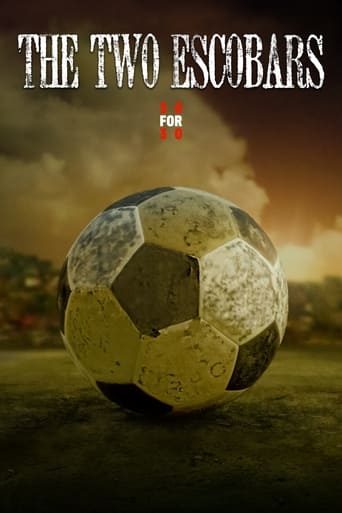
Pablo Escobar was the richest, most powerful drug kingpin in the world, ruling the Medellin Cartel with an iron fist. Andres Escobar was the biggest soccer star in Colombia. The two were not related, but their fates were inextricably-and fatally-intertwined. Pablo's drug money had turned Andres' national team into South American champions, favored to win the 1994 World Cup in Los Angeles. It was there, in a game against the U.S., that Andres committed one of the most shocking mistakes in soccer history, scoring an "own goal" that eliminated his team from the competition and ultimately cost him his life. The Two Escobars is a riveting examination of the intersection of sports, crime, and politics.
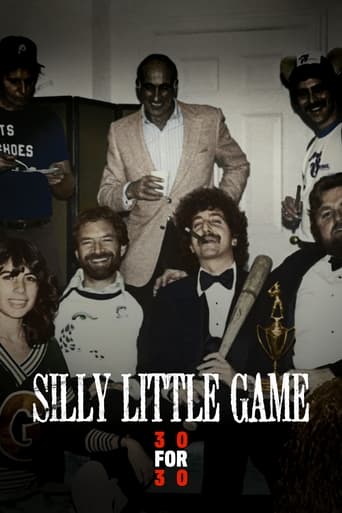
Fantasy Sports is estimated to be a $4 billion industry that boasts over 30 million participants and a league for almost every sport imaginable. But for all this success, the story of the game’s inception is little known. The modern fantasy leagues can be traced back to a group of writers and academics who met at La Rotisserie Francaise in New York City to form a baseball league of their own: The Rotisserie League. The game quickly grew in popularity, and with the growing use and attractiveness of the Internet, the “founding fathers” never foresaw how their creation would take off and ultimately leave them behind. Innovative filmmakers Adam Kurland and Lucas Jansen will chronicle the early development and ultimate explosion of Rotisserie Baseball, and shine a light on its mostly unnoticed innovators.
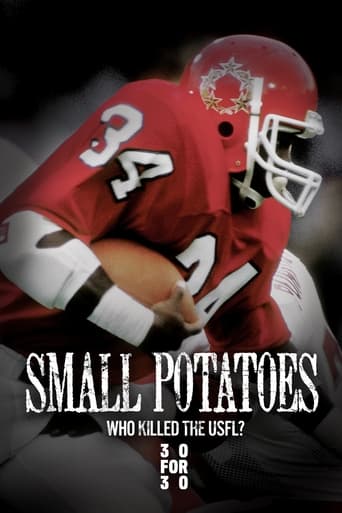
In 1983 the upstart United States Football League (USFL) had the audacity to challenge the almighty NFL. The new league did the unthinkable by playing in the spring and plucked three straight Heisman Trophy winners away from the NFL. The 12-team USFL played before crowds that averaged 25,000, and started off with respectable TV ratings. But with success came expansion and new owners, including a certain high profile and impatient real estate baron whose vision was at odds with the league’s founders. Soon, the USFL was reduced to waging a desperate anti-trust lawsuit against the NFL, which yielded an ironic verdict that effectively forced the league out of business. Now, almost a quarter of a century later, Academy Award-nominated and Peabody Award-winning director Mike Tollin, himself once a chronicler of the league, will showcase the remarkable influence of those three years on football history and attempt to answer the question, “Who Killed the USFL?”
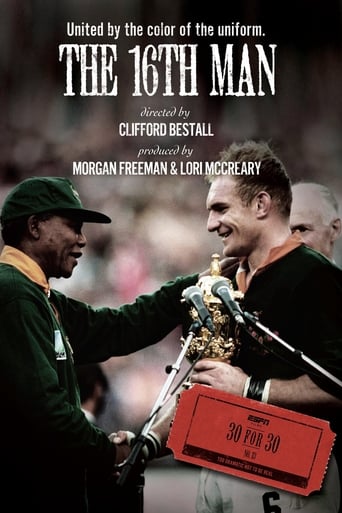
Rugby Union has long been viewed in South Africa as a game for the white population, and the country’s success in the sport has been a true source of Afrikaner pride. When the 50-year-old policies and entrenched injustices of apartheid were finally overthrown in 1994, Nelson Mandela’s new government began rebuilding a nation badly in need of racial unity. So the world was watching when South Africa played host to the 1995 Rugby World Cup. Though they had only one non-white player, the South African Springboks gained supporters of all colors as they made an improbable run into the final match where they beat the heavily favored New Zealand team. When Mandela himself marched to the center of the pitch cloaked in a Springbok jersey and shook hands with the captain of the South African team, two nations became one. Oscar winner Morgan Freeman and director Cliff Bestall will tell the emotional story of that cornerstone moment and what it meant to South Africa’s healing process.
In late March of 1984, a moving company secretly packed up the Baltimore Colts’ belongings and its fleet of vans sneaked off in the darkness of the early morning. Leaving a city of deeply devoted fans in shock and disbelief. What caused owner Robert Irsay to turn his back on a town that was as closely linked to its team as any in the NFL? Academy Award-winning filmmaker Barry Levinson, himself a long-standing Baltimore Colts fanatic, will probe that question in light of the changing relationship of sports to community. Through the eyes of members of the Colts Marching Band, Levinson will illustrate how a fan base copes with losing the team that it loves.
In 1981, college athletic recruiting changed forever as a dozen big-time football programs sat waiting for the decision by a physically powerful and lightning-quick high school running back named Marcus Dupree. On his way to eclipsing Herschel Walker’s record for the most touchdowns in high school history, Dupree attracted recruiters from schools in every major conference to his hometown of Philadelphia, Miss. More than a decade removed from being a flashpoint in the civil-rights struggle, Philadelphia was once again thrust back into the national spotlight. Dupree took the attention in stride, and committed to Oklahoma. What followed, though, was a forgettable college career littered with conflict, injury and oversized expectations. Eight-time Emmy Award winner Jonathan Hock will examine why this star burned out so young and how he ultimately used football to redeem himself.
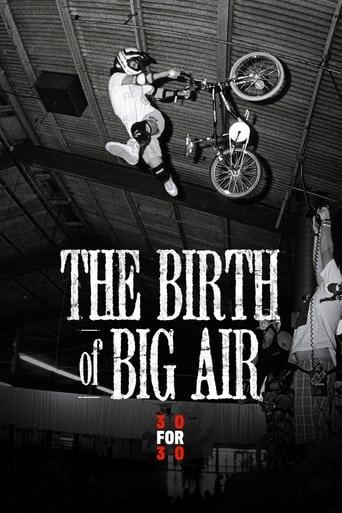
In 1985, at the tender age of 13, Mat Hoffman entered into the BMX circuit as an amateur, and by 16 he had risen to the professional level. Throughout his storied career, Hoffman has ignored conventional limitations, instead, focusing his efforts on the purity of the sport and the pursuit of “what’s next.” His motivations stem purely from his own ambitions, and even without endorsements, cameras, fame and fans, Hoffman would still be working to push the boundaries of gravity. Academy Award nominee Spike Jonze and extreme sport fanatic Johnny Knoxville, along with director Jeff Tremaine, will showcase the inner workings and exploits of the man who gave birth to “Big Air.”
Throughout the 1980s, Miami, Florida, was at the center of a racial and cultural shift taking place throughout the country. Overwhelmed by riots and tensions, Miami was a city in flux, and the University of Miami football team served as a microcosm for this evolution. The image of the predominantly white university was forever changed when coach Howard Schnellenberger scoured some of the toughest ghettos in Florida to recruit mostly black players for his team. With a newly branded swagger, inspired and fueled by the quickly growing local Miami hip hop culture, these Hurricanes took on larger-than-life personalities and won four national titles between 1983 and 1991. Filmmaker Billy Corben, a Miami native and University of Miami alum, will tell the story of how these “Bad Boys” of football changed the attitude of the game they played, and how this serene campus was transformed into “The U.”
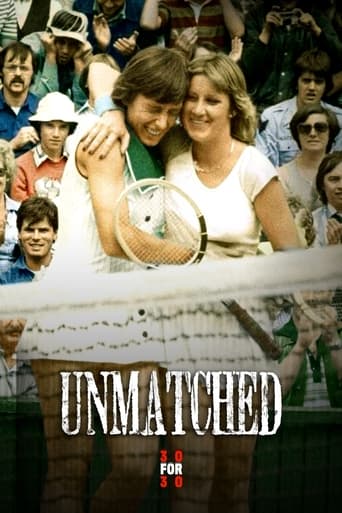
The first time Chris Evert and Martina Navratilova stepped onto a tennis court together, the world scarcely noticed. Only a few hundred spectators saw the pert 18-year-old beat the scrappy 16-year-old Czech in 1973. “I remember that she was fat,” Evert recalled. “She was very emotional on the court, whining if she didn't feel she was playing well. But I remember thinking, if she loses weight, we’re all in trouble.” Said Navratilova, “My goal was for her to remember my name.” Eighty matches later – amid the extraordinary growth of women’s tennis – Evert not only remembered, but became a tried and true friend and confidante, remarkable considering the two appeared to be polar opposites in upbringing, life styles and personal relationships. Through a series of personal conversations, this documentary will tell the story of one of the greatest one-on-one sports rivalries and capture these two extraordinary athletes’ views on tennis and an ever-changing world.