

Diocles
History · Drama · Romance
Overview
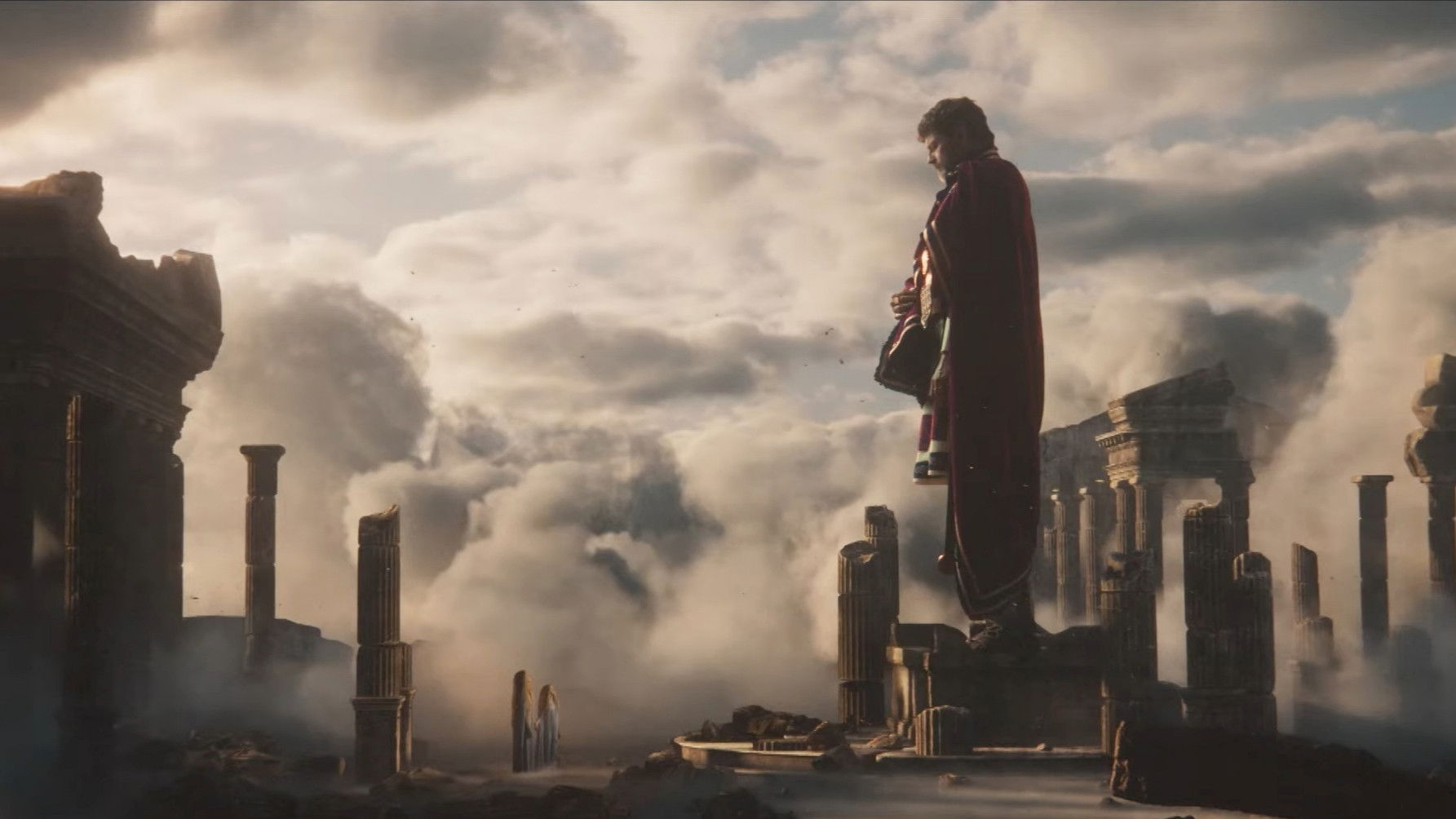
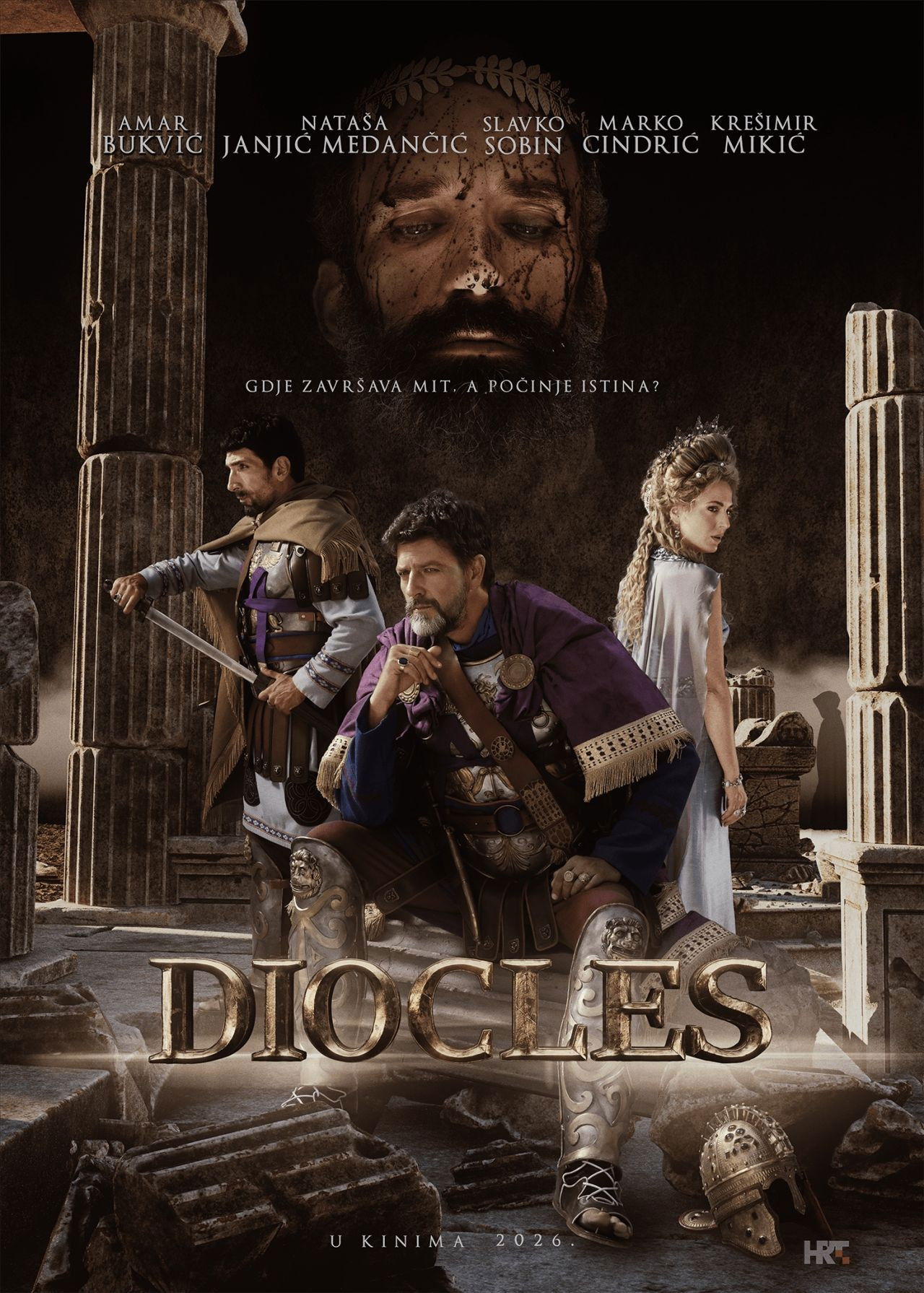
Through both personal and political conflicts, the film tells the story of emperor Diocletian's rise to power and his complicated place in ancient Rome's court politics.








Amar Bukvić
Amar Bukvić
Diocles / Diocletian
Amar Bukvić
Diocles / Diocletian

Nataša Janjić Medančić
Nataša Janjić Medančić
Prisca
Nataša Janjić Medančić
Prisca

Slavko Sobin
Slavko Sobin
Maximian
Slavko Sobin
Maximian

Marko Cindrić
Marko Cindrić
Carinus
Marko Cindrić
Carinus

Krešimir Mikić
Krešimir Mikić
Lucius Flavius
Krešimir Mikić
Lucius Flavius

Marinko Prga
Marinko Prga
Retired war veteran
Marinko Prga
Retired war veteran
Dragan Despot
Dragan Despot
Proculus
Dragan Despot
Proculus

Anja Šovagović-Despot
Anja Šovagović-Despot
Anja Šovagović-Despot
Jerko Marčić
Jerko Marčić
Jerko Marčić
Robert Kurbaša
Robert Kurbaša
Robert Kurbaša
Similar Movies
Come back with us to Ancient Greece, 2,500 Years ago to the original Olympic Games. The ancient Games, like our modern Olympics, included champions and cheaters, glory and scandals, bitter rivalries and contests of strength, speed and savage combat. Set in 448 BC when the pounding of horse's hooves and the brutal hand-to-hand combat could be heard and seen by the crowds that filled the Olympic stadium. This one-hour special event follows the glory and corruption of the arc of a single, five-day Olympiad. The competitions include chariot racing, running, jumping, discus, javelin and two man-to-man combat finals-boxing and pankration, a form of extreme fighting in which death was not uncommon. With the help of sports historians and great athletes such as George Chuvalo and Olympic medallists Donovan Bailey and Angela Schneider, viewers travel back to a very different life-in a very different world.
Vladimir Ilyich Ulyanov, better known as Lenin, is remembered as the instigator of the October Revolution of 1917 and, therefore, as one of the men who changed the shape of the world at that time and forever, but perhaps the actual events happened in a way different from that narrated in the history books…
Pompeii 79AD, mere days before the Vesuvian eruption. Glaucus and Jone are in love with each other. Arbaces, the Egyptian High Priest, is determined to conquer Jone. Glaucus purchases Nydia, the blind and long-suffering slave. Nydia falls in love with Glaucus and asks Arbaces for his help. He gives her a potion to make Glaucus fall in love with her-- In fact, a poison which will cause violent insanity.
The young emperor Joseph II of Austria and Hungary is not interested in romance and marriage, and every time his mother makes arrangements for him to meet eligible young ladies, he escapes under some pretense. This time he is off on a 'tour of inspection' with his trusted friend von Kleber. Things become complicated when von Kleber, pretending to be the emperor so as to protect the real Joseph from discovery, falls in love with Christine, the landlady of their lodgings. And when Christine later writes to the emperor, her letter is read by the mother of the real emperor, as keen as ever to see him getting married, and so the lady is invited to the imperial court.
The story of the Arthurian legend, based on the 'Sarmatian hypothesis' which contends that the legend has a historical nucleus in the Sarmatian heavy cavalry troops stationed in Britain, and that the Roman-British military commander, Lucius Artorius Castus is the historical person behind the legend.
In Pompeii in the year 79, Lycias and Helen fall in love. Helen's guardian, the high priest of Isis, wants to separate them. To do so, he tries to make Lycias drink a love potion, but a young slave threatens to reveal everything. The high priest, unable to silence her, kills her and arranges to have Lycias accused...