

What's Wrong With This Building?
Documentary
Overview
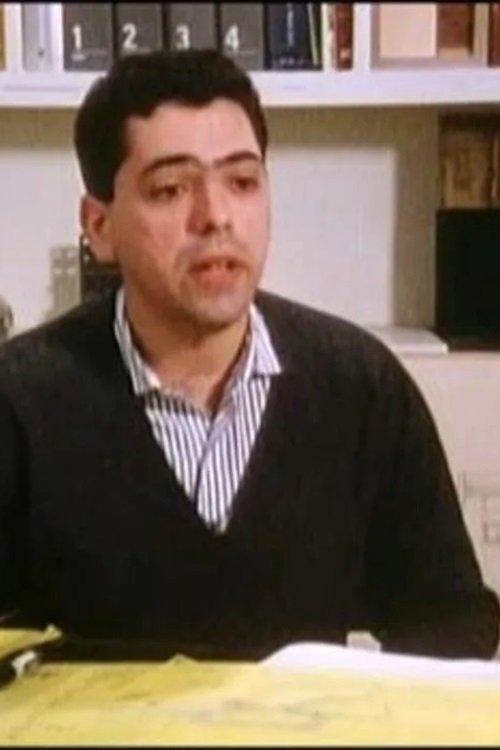
This film, which documents a controversy over plans to alter the original architectural design of the Whitney Museum of American Art, examines some of the problems raised by the decision, including Modernist and Post-Modernist styles, architecture as art, the responsibility of art museums to the public, and the role of the architect
Top Cast

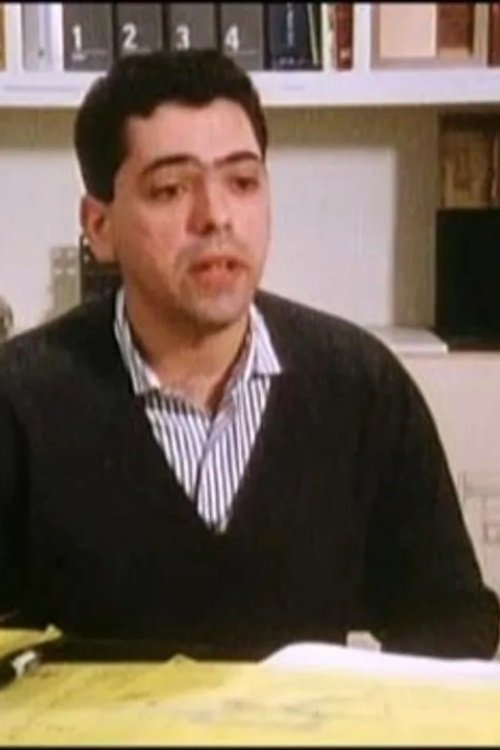
Joanna Simon
Joanna Simon
Narrator (voice)
Joanna Simon
Narrator (voice)
Arthur C. Danto
Arthur C. Danto
Self
Arthur C. Danto
Self
Charles Gwathmey
Charles Gwathmey
Self
Charles Gwathmey
Self
Thomas Hoving
Thomas Hoving
Self
Thomas Hoving
Self
Murray Levi
Murray Levi
Self
Murray Levi
Self
César Pelli
César Pelli
Self
César Pelli
Self
Similar Movies

Why wouldn't you? Is there any reason not to? We've got so much at our disposal, so, why don't you? Won't you tell me? Won't you please tell me? To have you down is simply unacceptable. Just look at this; or this; at all these hallmarks to guide you and convey to you the prime ways to feel lovely. Just follow them and you'll be set. So, I ask you again... Don't you feel lovely today?
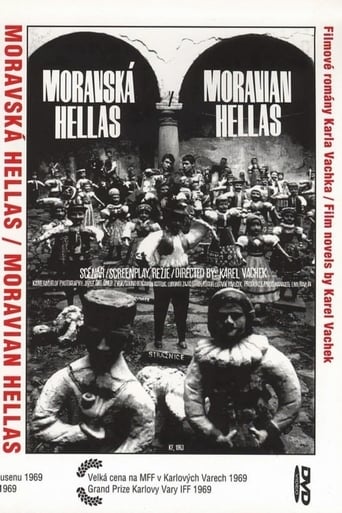
Karel Vachek’s graduate film offers us a documentary essay which is both a light-hearted and aggressive little piece and also a parody of investigative film journalism. The Strážnice folk festival, backed by the cultural Party apparatus of the time, for years had little to commend itself to authentic folklore. In the film the event assumes the form of a bizarre stage spectacle with almost surrealistic elements that Vachek reinforces with unconventional approaches (commentary appearing as titles on screen, singing, declamations into the camera, feature etudes, the fusion of news coverage and fiction). The result is a stirring film collage depicting various characters, from crowd-pleasers, Easter egg decorators, kitsch artists and peddlers, to museologists and local residents, all of whom come up against the eccentric "identical” twin reporters Karel and Jan Saudek and a bored actress who appears as an extra. Using their special blend of irony and wit, they present us with the sad truth.
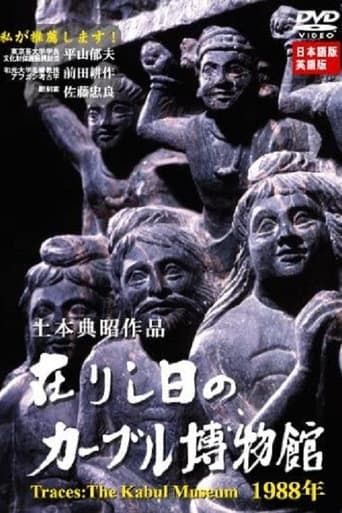
The Kabul National Museum, once known as the "face of Afghanistan," was destroyed in 1993. We filmed the most important cultural treasures of the still-intact museum in 1988: ancient Greco-Roman art and antiquitied of Hellenistic civilization, as well as Buddhist sculpture that was said to have mythology--the art of Gandhara, Bamiyan, and Shotorak among them. After the fall of the Democratic Republic of Afghanistan in 1992, some seventy percent of the contents of the museum was destroyed, stolen, or smuggled overseas to Japan and other countries. The movement to return these items is also touched upon. The footage in this video represents that only film documentation of the Kabul Museum ever made.
Human action is often influenced by the desire for knowledge. This desire is in itself a positive impulse and could be said to be the basis of all progress. Let's move this statement to the ground of scientific research at CERN, and see if it applies here - and then test the common experience that human stupidity permeates every social stratum and, in the case of the elites, is a potential threat.

Taking its lead from French artists like Renoir and Monet, the American impressionist movement followed its own path which over a forty-year period reveals as much about America as a nation as it does about its art as a creative power-house. It’s a story closely tied to a love of gardens and a desire to preserve nature in a rapidly urbanizing nation. Travelling to studios, gardens and iconic locations throughout the United States, UK and France, this mesmerising film is a feast for the eyes. The Artist’s Garden: American Impressionism features the sell-out exhibition The Artist’s Garden: American Impressionism and the Garden Movement, 1887–1920 that began at the Pennsylvania Academy of the Fine Arts and ended at the Florence Griswold Museum, Old Lyme, Connecticut.
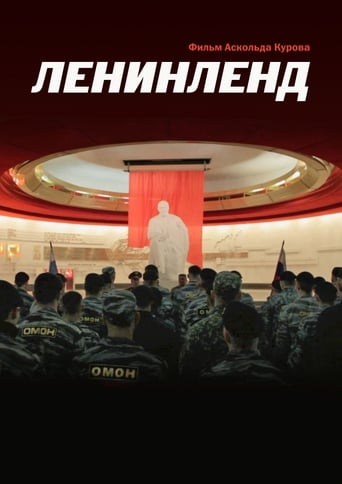
At the peak of Perestroika, in 1987, in the village of Gorki, where Lenin spent his last years, after a long construction, the last and most grandiose museum of the Leader was opened. Soon after the opening, the ideology changed, and the flow of pilgrims gradually dried up. Despite this, the museum still works and the management is looking for ways to attract visitors. Faithful to the Lenin keepers of the museum as they can resist the onset of commercialization. The film tells about the modern life of this amazing museum-reserve and its employees.