

the post-feminist dissonance project
Documentary
Overview
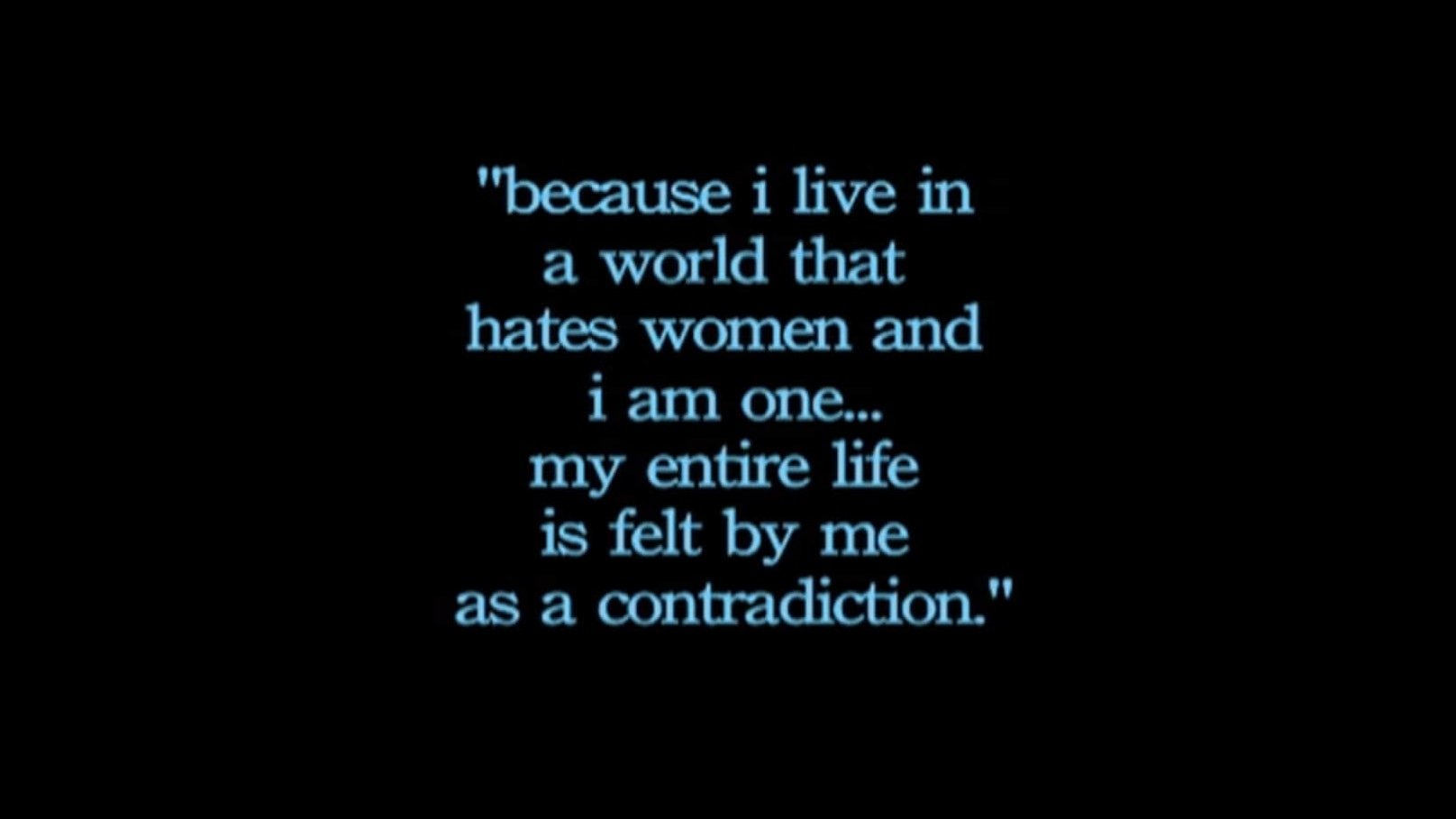
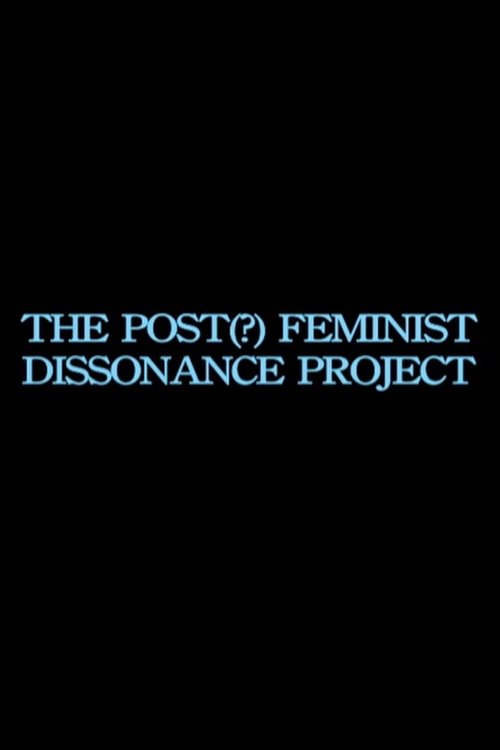
The Post(?) Feminist Dissonance Project uses a quote by Kathleen Hanna as a prompt, a voicemail box as an interviewing device, found footage as a tool, and text as a character. it is a study in the cacophony of the inner life tuned against the perception of reality. i made this piece to see if i was alone, and i discovered that for better or for worse, i am not. this is above all about the process, not the resolution.
Top Cast
Alexandra Chowaniec
Self (voice)
Beth Kueny
Self (voice)
Dana Rainoos
Self (voice)
Elizabeth Van Fleet
Self (voice)
Jessica Dunckel
Self (voice)
Jessie Gray
Self (voice)
Kate Sutton
Self (voice)
Kelly Falzone
Self (voice)
Krista Bishop
Self (voice)
Kristen Van Diggelen
Self (voice)
Kulveen Virdee
Self (voice)

Megan Therese Rippey
Self (voice)



Alexandra Chowaniec
Alexandra Chowaniec
Self (voice)
Alexandra Chowaniec
Self (voice)
Beth Kueny
Beth Kueny
Self (voice)
Beth Kueny
Self (voice)
Dana Rainoos
Dana Rainoos
Self (voice)
Dana Rainoos
Self (voice)
Elizabeth Van Fleet
Elizabeth Van Fleet
Self (voice)
Elizabeth Van Fleet
Self (voice)
Jessica Dunckel
Jessica Dunckel
Self (voice)
Jessica Dunckel
Self (voice)
Jessie Gray
Jessie Gray
Self (voice)
Jessie Gray
Self (voice)
Kate Sutton
Kate Sutton
Self (voice)
Kate Sutton
Self (voice)
Kelly Falzone
Kelly Falzone
Self (voice)
Kelly Falzone
Self (voice)
Krista Bishop
Krista Bishop
Self (voice)
Krista Bishop
Self (voice)
Kristen Van Diggelen
Kristen Van Diggelen
Self (voice)
Kristen Van Diggelen
Self (voice)
Similar Movies
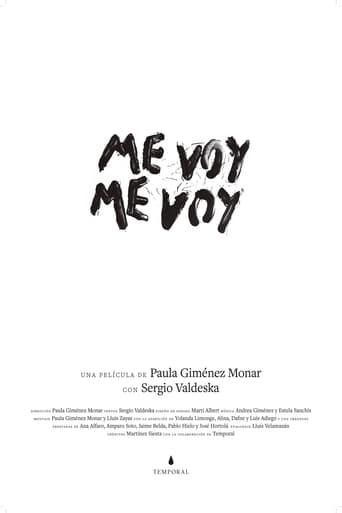
December 31, 2015. The Valencian bookstore Valdeska closed its doors permanently after forty years of activity. The result of four years of monitoring and filming, these 31 minuts of run time are part of a book unread, unknown and undiscovered. "Me voy. Me voy" it's not the story of a bookstore, not the portrait of an exceptional bookseller, it's a will to attach the things in the filmed image, to make something lasting showing the moment of its disappearence.

One Thousand and One Attempts to Be an Ocean reflects on the experience of not being able to see the world with depth perception. Made up of micro-events from "satisfying video" that swarm on the internet, the abstract narrative unfolds through an appropriation way by referring to trance and minimal music. It's about a desire for groundless waves, blended with today's inexorable entropy of our information societies.
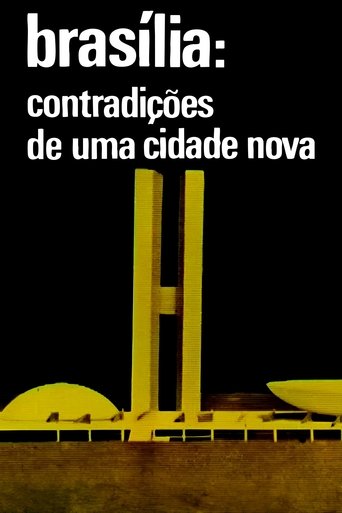
In 1967, de Andrade was invited by the Italian company Olivetti to produce a documentary on the new Brazilian capital city of Brasília. Constructed during the latter half of the 1950s and founded in 1960, the city was part of an effort to populate Brazil’s vast interior region and was to be the embodiment of democratic urban planning, free from the class divisions and inequalities that characterize so many metropolises. Unsurprisingly, Brasília, Contradições de uma Cidade Nova (Brasília, Contradictions of a New City, 1968) revealed Brasília to be utopic only for the wealthy, replicating the same social problems present in every Brazilian city. (Senses of Cinema)