

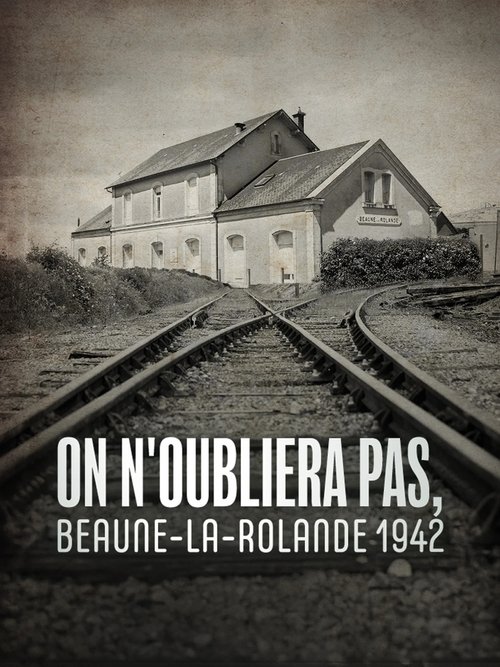
On n'oubliera pas, Beaune-la-Rolande 1942
Documentary · History
Overview
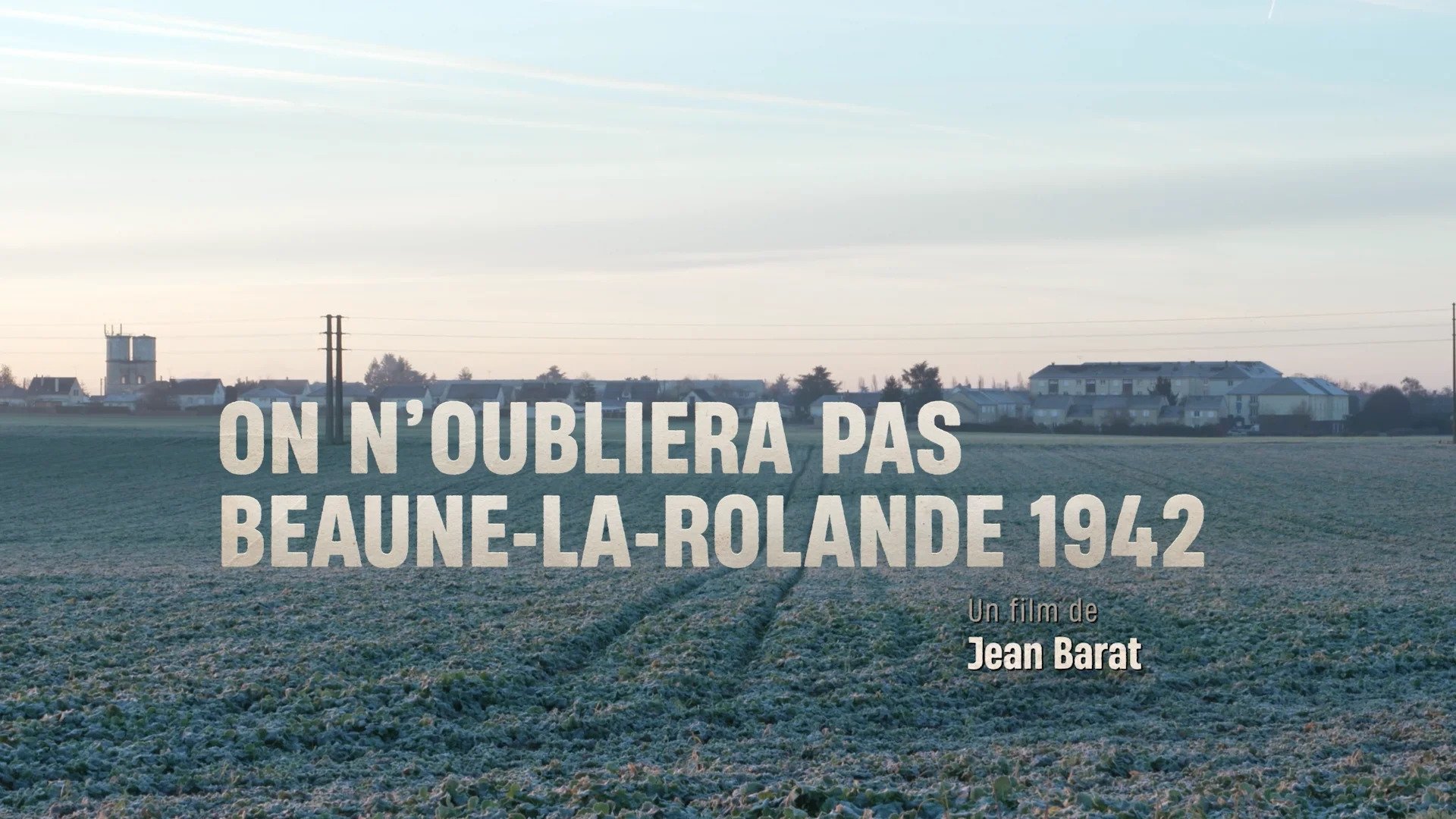
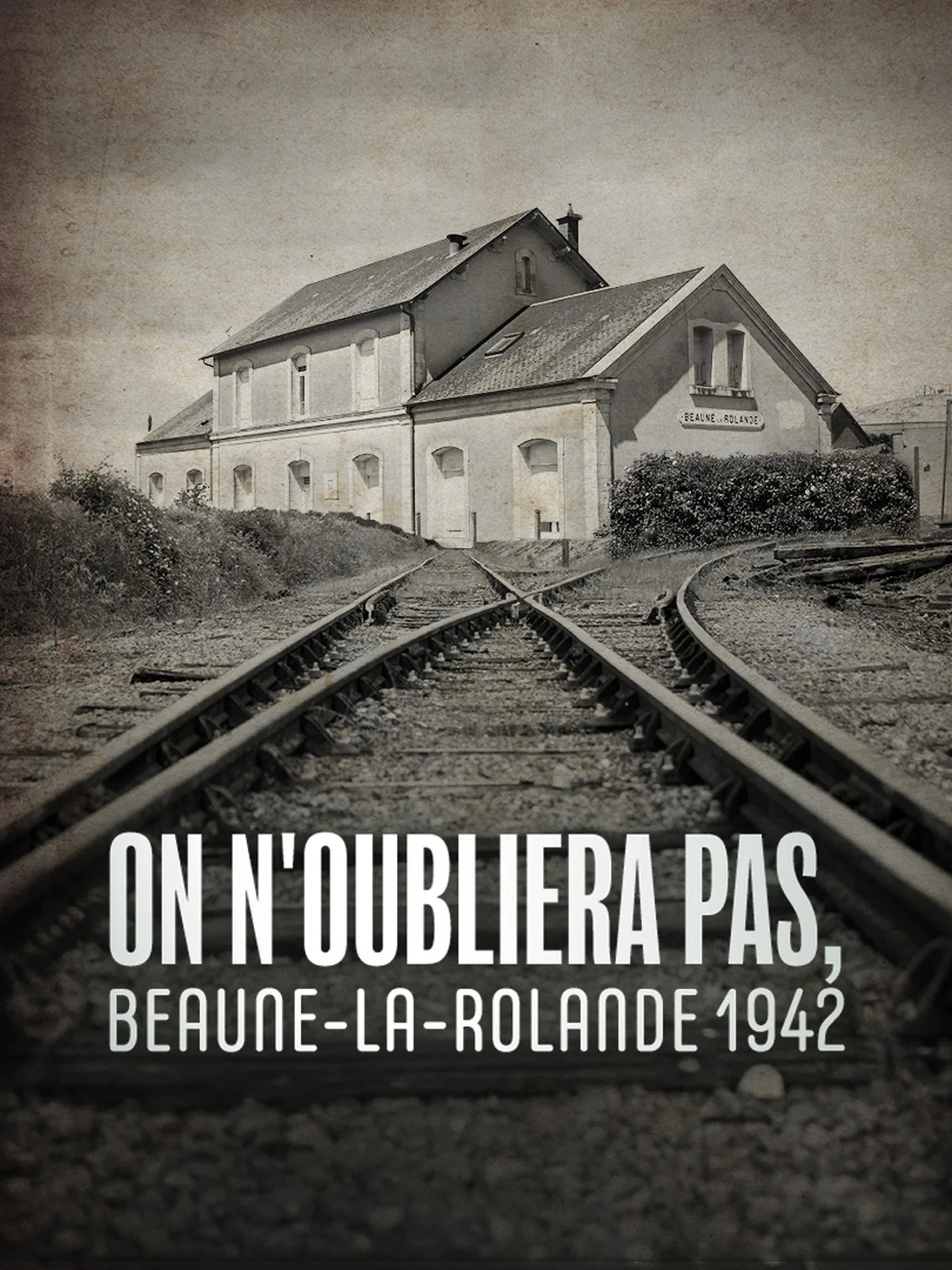
Nothing predisposed a rural commune in the Loiret region such as Beaune-la-Rolande to embody the height of the Holocaust in France. Yet it was there that a camp was set up where Jewish families were interned, separated, their children abandoned to their fate before being deported alone to their deaths. Long hidden from view, more than eighty years after the events, this tragedy remains a sensitive subject that can still divide opinion on what should or should not be done to ensure it is not forgotten. Following personal journeys and collective commitments, this film meets activists, elected officials, and teachers who are committed to helping a region recover its memory and reconnect with its history, however painful it may be.
Top Cast

Estelle Galarme
Self : Narrator (voice)
Michel Masson
Maire de Beaune-la-Rolande
Jean Richard
Président des Amis de l’Histoire de Beaune
Rachel Jedinak
Rescapée de la rafle du Vel d’Hiv
Joseph Weismann
Rescapé du camp de Beaune-la-Rolande
Sandrine Henry
Professeur d’éducation socioculturelle
Hélène Mouchard-Zay
Fondatrice du CERCIL
Sylvianne Masson
Habitante de Beaune-la-Rolande
Colette et Alain Dugue
Habitants de Beaune-la-Rolande





Estelle Galarme
Estelle Galarme
Self : Narrator (voice)
Estelle Galarme
Self : Narrator (voice)
Michel Masson
Michel Masson
Maire de Beaune-la-Rolande
Michel Masson
Maire de Beaune-la-Rolande
Jean Richard
Jean Richard
Président des Amis de l’Histoire de Beaune
Jean Richard
Président des Amis de l’Histoire de Beaune
Rachel Jedinak
Rachel Jedinak
Rescapée de la rafle du Vel d’Hiv
Rachel Jedinak
Rescapée de la rafle du Vel d’Hiv
Joseph Weismann
Joseph Weismann
Rescapé du camp de Beaune-la-Rolande
Joseph Weismann
Rescapé du camp de Beaune-la-Rolande
Sandrine Henry
Sandrine Henry
Professeur d’éducation socioculturelle
Sandrine Henry
Professeur d’éducation socioculturelle
Hélène Mouchard-Zay
Hélène Mouchard-Zay
Fondatrice du CERCIL
Hélène Mouchard-Zay
Fondatrice du CERCIL
Sylvianne Masson
Sylvianne Masson
Habitante de Beaune-la-Rolande
Sylvianne Masson
Habitante de Beaune-la-Rolande
Colette et Alain Dugue
Colette et Alain Dugue
Habitants de Beaune-la-Rolande
Colette et Alain Dugue
Habitants de Beaune-la-Rolande
Similar Movies

In 1947, four German judges who served on the bench during the Nazi regime face a military tribunal to answer charges of crimes against humanity. Chief Justice Haywood hears evidence and testimony not only from lead defendant Ernst Janning and his defense attorney Hans Rolfe, but also from the widow of a Nazi general, an idealistic U.S. Army captain and reluctant witness Irene Wallner.
Austrian mountaineer Heinrich Harrer journeys to the Himalayas without his family to head an expedition in 1939. But when World War II breaks out, the arrogant Harrer falls into Allied forces' hands as a prisoner of war. He escapes with a fellow detainee and makes his way to Lhasa, Tibet, where he meets the 14-year-old Dalai Lama, whose friendship ultimately transforms his outlook on life.
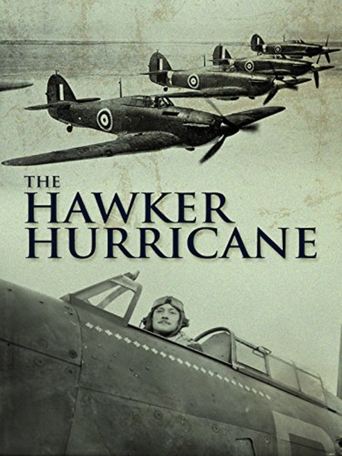
The Hawker Hurricane was the first fighter monoplane to join the Royal Air Force and the first combat aircraft adopted by that arm capable of exceeding 300 mph in level flight. The Hurricane shouldered the lion s share of Britain s defence during the Battle of Britain. This program portrays the history of this legendary aircraft which was to form an immortal partnership during the infamous battle.
A group of French soldiers, including the patrician Captain de Boeldieu and the working-class Lieutenant Maréchal, grapple with their own class differences after being captured and held in a World War I German prison camp. When the men are transferred to a high-security fortress, they must concoct a plan to escape beneath the watchful eye of aristocratic German officer von Rauffenstein, who has formed an unexpected bond with de Boeldieu.
In the early years of the 20th century, Mohandas K. Gandhi, a British-trained lawyer, forsakes all worldly possessions to take up the cause of Indian independence. Faced with armed resistance from the British government, Gandhi adopts a policy of 'passive resistance', endeavouring to win freedom for his people without resorting to bloodshed.
Part of the Canada Carries On series, this short film portrays the First Division of the Canadian Active Service Force in Aldershot, England. Using an intimate letter home as a narrative device, this film reveals how the troops were received, what their living conditions were like, how they would get along with their English allies and how they spent their leisure time.
Autumn 1941. German tank troops are making another attempt to break through to the Uritsk and Pulkovo Heights. During heavy fighting, Soviet troops managed to stop the offensive of fascist tanks one and a half kilometers south of the Pulkovo Observatory. The 900 days of the blockade and the incredible courage of the Soviet people were approaching ...
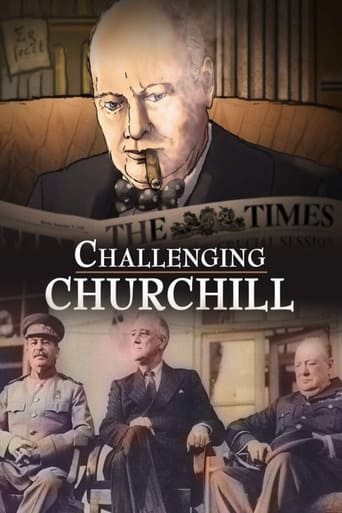
Churchill, a name typically associated with braveness and altruism. Recently found evidence from Soviet and British sources however brings up questions about Churchill's doings in the conferences of Tehran, Yalta and Potsdam. Why did he agree to give Stalin large parts of Poland? The story of two world leaders in times of war - it is also the story of Poland.

Anne Frank's world famous diary came to an abrupt end shortly before she and her family were discovered hiding from the Nazis in a secret annex at the top of Otto Frank's office building, on August 4, 1944. While her diary tells the story of Anne's life, the story of her death reveals the atrocities encountered by millions of Jews during the Holocaust. In a solemn remembrance of the horrors that Anne Frank and these millions of others suffered during the dark days of World War II, National Geographic Channel (NGC) takes viewers inside the concentration camps in a two-hour special. In keeping with NGC's tradition of unparalleled storytelling, Anne Frank's Holocaust incorporates new findings and rarely seen photographs to reintroduce the story of the massacre of Jews in one of the most comprehensive documentaries on the subject to date.
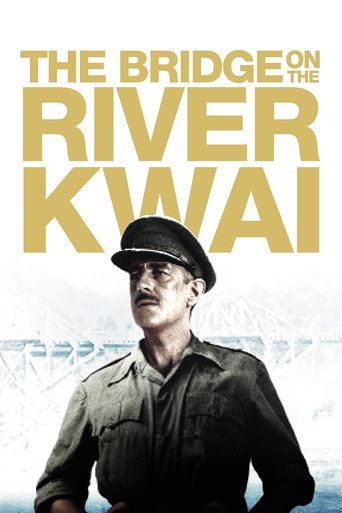
The classic story of English POWs in Burma forced to build a bridge to aid the war effort of their Japanese captors. British and American intelligence officers conspire to blow up the structure, but Col. Nicholson, the commander who supervised the bridge's construction, has acquired a sense of pride in his creation and tries to foil their plans.