


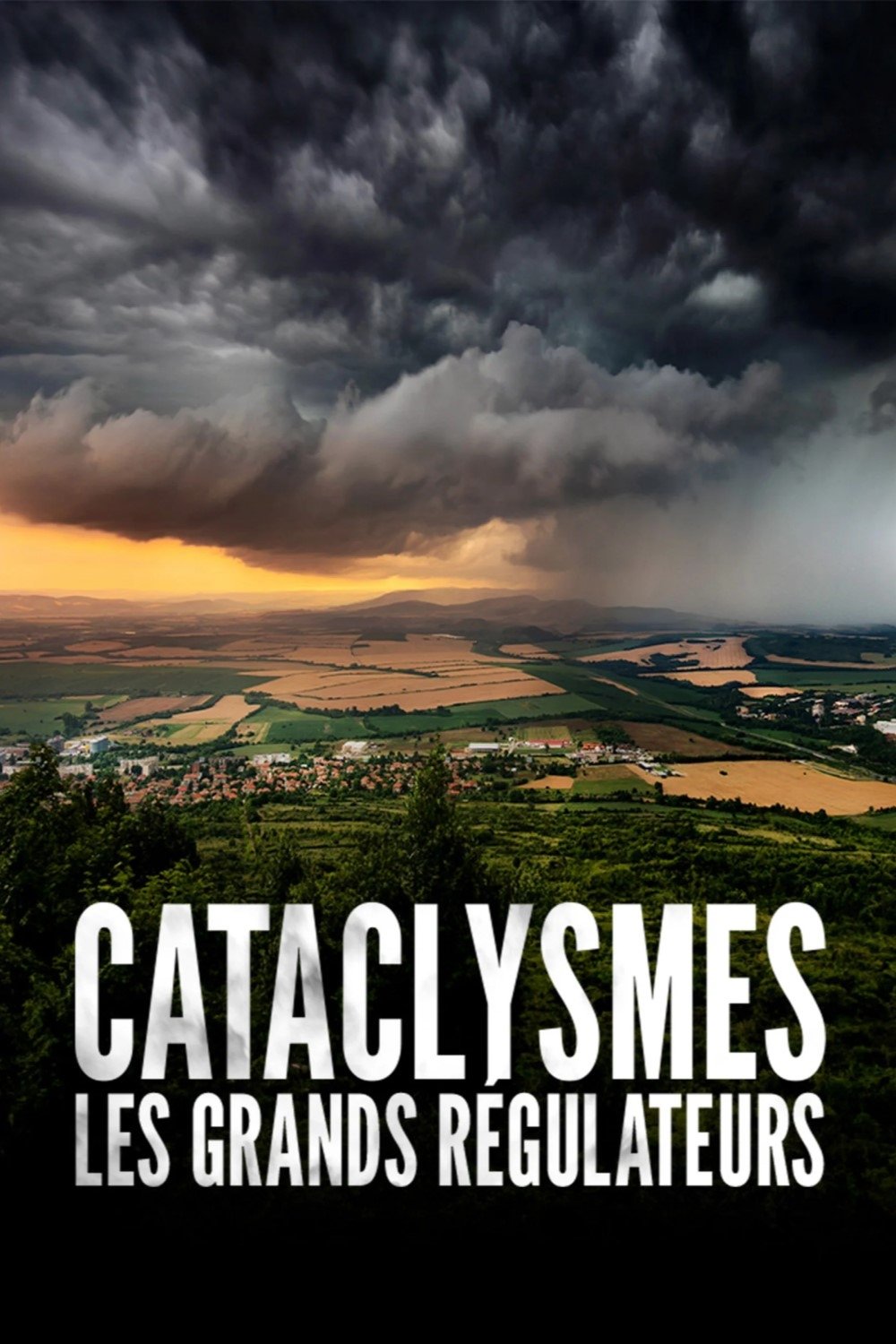
Cataclysmes, les grands régulateurs
Documentary


No cast information.
Similar Movies
The fearsome bat is amongst the stealthiest hunters in the Animal Kingdom, but for all their ingenious abilities, a species of grasshopper in the mountains of Bulgaria has learnt to outsmart them. Now, join a team of researchers armed with state-of-the-art ultrasonic cameras, as they discover the mechanisms behind this standoff. The Secret Life of Bats reveals the science behind sonar, and the hidden hunting challenges faced by this deadly predator.
A vivid journey into the mysterious subterranean world of mycelium and its fruit— the mushroom. A story that begins 3.5 billion years ago, fungi makes the soil that supports life, connecting vast systems of roots from plants and trees all over the planet, like an underground Internet. Through the eyes of renowned mycologist Paul Stamets, professor of forest ecology Suzanne Simard, best selling author Michael Pollan, food naturalist Eugenia Bone and others, we experience the power, beauty and complexity of the fungi kingdom.
More and more bacteria are becoming insensitive to antibiotics, not least due to excessive drug consumption. According to the EU, this problem could soon become as explosive as the environmental issue - and antibiotic resistance threatens to become one of the main causes of death worldwide. Research must therefore find alternatives - not miracle cures, but permanently effective drugs. There has already been one in the past: One hundred years ago, the French biologist Félix d'Hérelle discovered mysterious "bacteria-eating" viruses, known as bacteriophages or phages for short. He used these to successfully treat bacterial infections before the development of antibiotics, but his method was forgotten again. Is bacteriophage therapy the miracle medicine of the future?
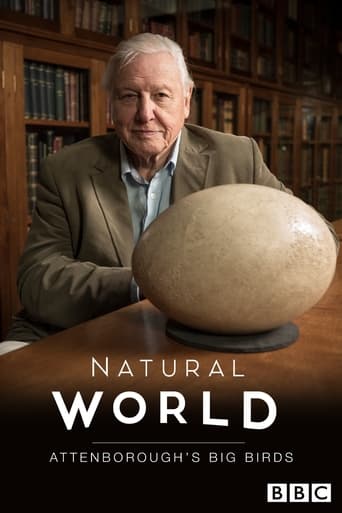
Meet the big birds, a feathered family who have never flown a day in their lives! From ostriches to kiwis, these bizarre birds appear to be nature's greatest novelty act. How they came to be and how they continue to survive is a fascinating tale that has long captivated Sir David Attenborough. It is a story of dedicated dads, enormous eggs and a serious need for speed. And far from being the court jesters of the animal world, these flightless curiosities once nearly ruled the land.

Maurice and Katia Krafft are a couple of scientists, filmmakers, researchers and photographers who have made vulcanology the reason for their existence. Together, they completed more than 800 hours of filming 128 volcanic eruptions and developed more than 450,000 films of great aesthetic and scientific value. A journey in stages around the world, the film pays tribute to the two protagonists, from the first ascent accomplished by Maurice, then aged 7, at Stromboli, to their tragic disappearance in 1991 on Mount Unzen in Japan.
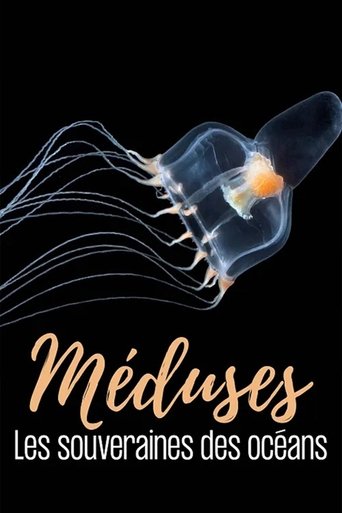
Jellyfish blooms are making headlines around the world. This is due to the damage they cause to tourism, fishing and our health. How can these creatures, which are over 98% water and have no shell, skeleton or brain, expand so rapidly? Although this is a normal stage in the life cycle of these gelatinous animals, we have to admit that blooms have become much more frequent and massive in recent decades. We're even witnessing jellyfish populations appearing in more and more regions where fish have been replaced by them, such as off the coast of Namibia, in the Black Sea, in the Sea of Japan and in certain areas of the Baltic Sea. What causes this? Why has the role of jellyfish in the ocean been underestimated, even though they outlived the dinosaurs? Are jellyfish on their way to dominating the oceans as they once did? What if they were to be the only ones left?