

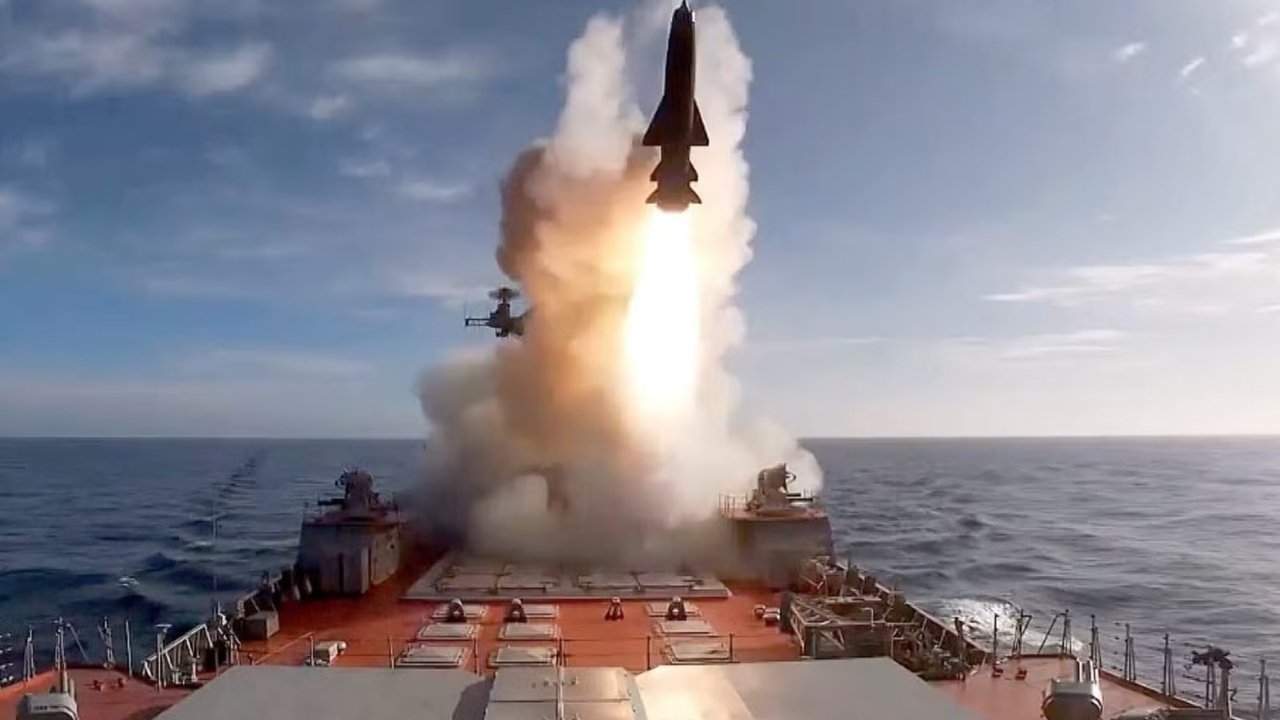

Poutine et la guerre des cinq mers
Documentary










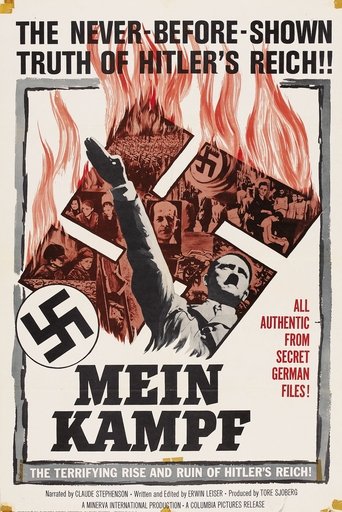


No cast information.
Similar Movies
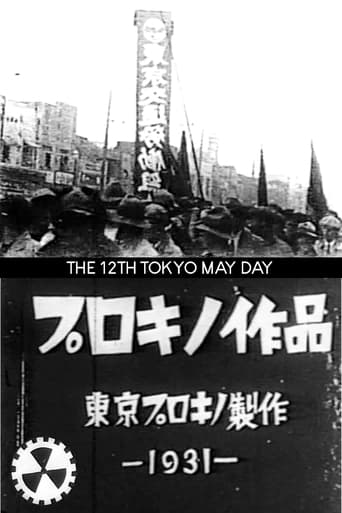
On May 1st, unions all over Japan celebrate May Day, the international day for workers. Workers gather together at parks and hold demonstrations and parades. May Day has its origins in a strike that occurred in the United States on May 1, 1886, a strike that called for an eight-hour workday. Prokino recorded the May Day every year from 1927 to 1932. Among these films, this work is the only one that has survived. However, only its first part has survived. The original film depicts the march to the Ueno Park where the rally was dismissed. Iwasaki Akira coordinated the entire Tokyo Prokino organization as it photographed the 1931 May Day celebrations. They shot in both 16mm and 35mm (other 35mm productions were planned, but this is the only one that achieved completion). A 16mm print was circulated around the countryside by mobile projection units, and a 35mm print was shown at Soviet film nights in Tokyo and Osaka.
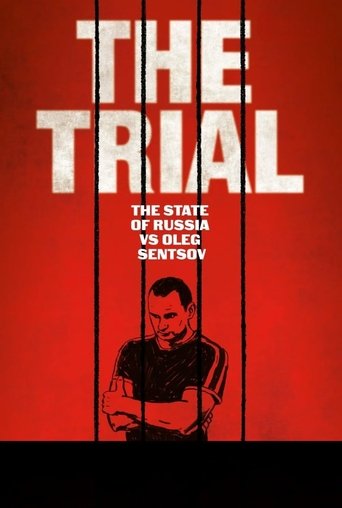
August 2015, a courtroom in Rostov-on-Don. A man is peering through the bars of his cage, his eyes reveal that his nerves are about to snap. Today he will be handed down a sentence to which he must submit: 20 years’ imprisonment in Siberia for terrorism. The man is Oleg Sentsov, a film director and Maidan activist born in Simferopol in the Ukraine. He is charged with leading an anti-Russian terrorist movement and having planned attacks on bridges, power lines and a monument of Lenin. Sentsov defends himself, courageously and without flinching. He responds to the verdict with an emphatic denial of his crimes and instead accuses the accusers themselves ...

Ireland, June 1944. The crucial decision about the right time to start Operation Overlord on D-Day comes to depend on the readings taken by Maureen Flavin, a young girl who works at a post office, used as a weather station, in Blacksod, in County Mayo, the westernmost promontory of Europe, far from the many lands devastated by the iron storms of World War II.
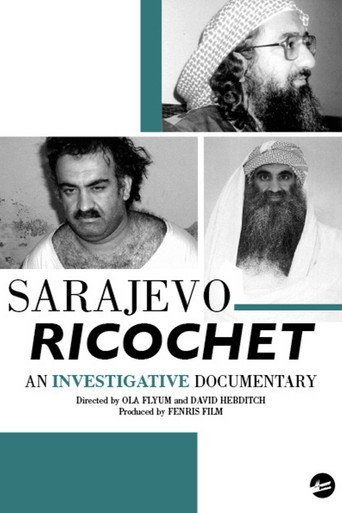
This two-part documentary reveals how al-Qaeda used Bosnia as a training-ground, money-laundering centre and forward operating base during the brutal civil war of 1992-95. The veterans went on to attack New York, Washington DC, London, Madrid, Mombasa and Bali. The story also reveals how the people of Srebrenica were betrayed by the Sarajevo government in advance of the massacres of July 1995.