

Portrait
Documentary
Overview
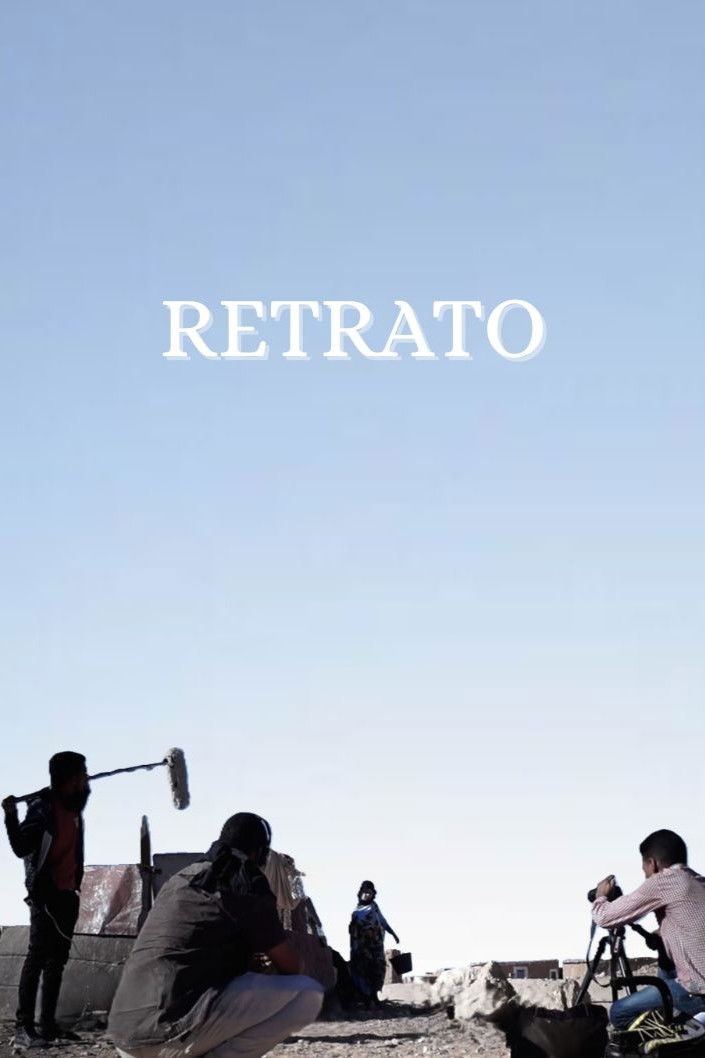
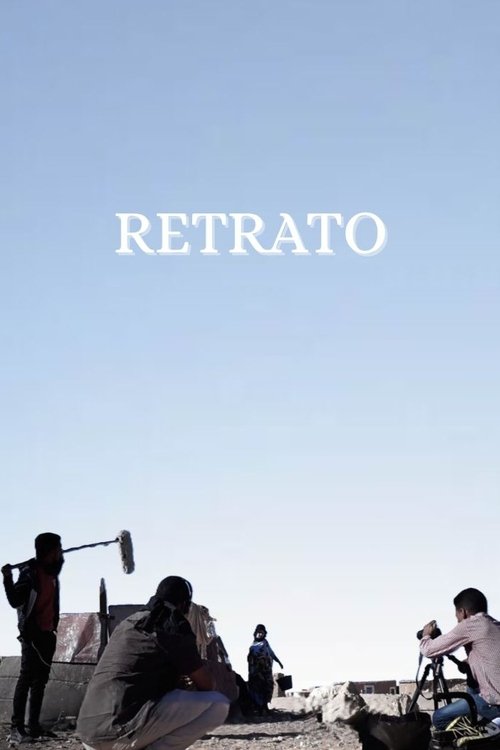
28-year-old Azman, a student in the film school Abidin Kaid Saleh, explains how he discovered film in the Sahrawi refugee camps, the difficulties he had explaining his choice of study to his family, and how his society views this career.
No cast information.
Similar Movies

Those who do not know the Sahara think there is only sand in the desert. But in the desert there are children who play and draw and make movies, and who would like to not have to think about the war. In the desert there's a European colony, an occupied country called Western Sahara, where there are thousands of Sahrawi refugees living a hard life in exile. "Little Sahara" tells their story, the story of a supportive, resilient people who try to thrive and grow in the Hamada, where everything has a hard time growing.
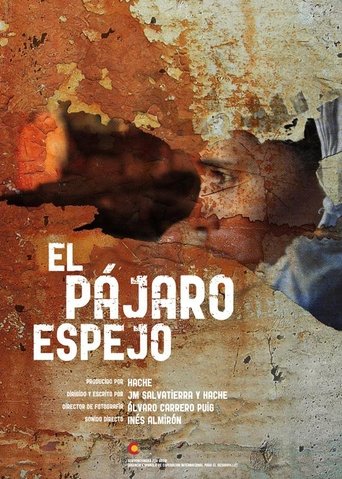
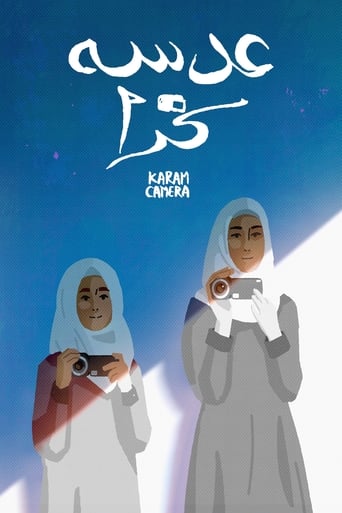
Bubisher, as well as being 'the bird of luck', is a word loaded with literary meaning in Spanish in the Sahrawi refugee camps of Tindouf. Seeing the way in which two cultures interact through small stories and tales can is striking and so is the contrast between the resilience of the young female generations and the realities of life in the desert. This documentary paints a picture of a generation of young female Sahrawis.
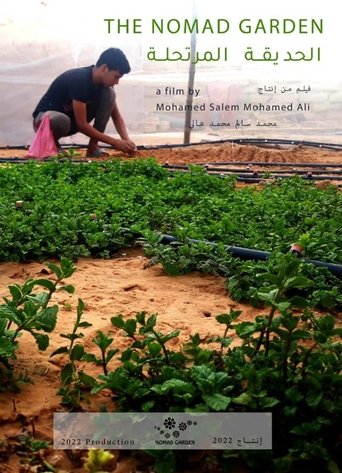
Sahrawi artist and visual poet Mohamed Sleiman Labat follows the story of the emerging phenomenon of small scale family gardens in his local community in the Hamada Desert. The film features the story of four families in Samara Camp with small scale gardens, their practices and the knowledge they develop as part of their practices in the garden. The camps are located in a very harsh environment with extreme climate conditions, and the Sahrawi are still dependent on international food aid.
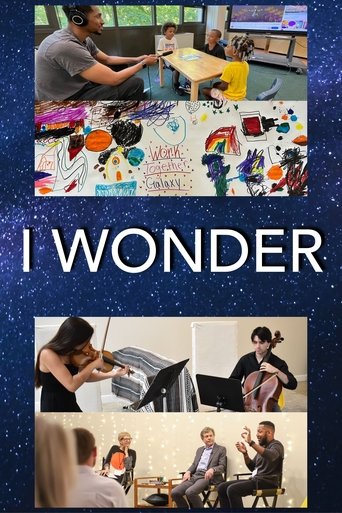
The Wonder Commission is a new music commission of The Well, composed by Dr. Brian Raphael Nabors and performed by the Antigone Music Collective. Inspiration for the new music emerges from Nabors' conversation with writer, physicist, and professor at MIT, Alan Lightman. The music also integrates the voices of youth from UpSpring's Summer 360 camp for unhoused youth and their questions about science, wonder, and hope.
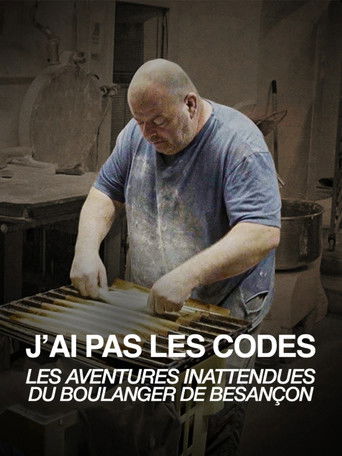
This is the story of an ordinary man transformed by history. A simple baker from Besançon who became a political symbol of resistance. That of a France that knows how much it needs others to grow. Of working classes rejecting the siren calls of populism. He says: "I was nothing and I became a monster" to express the vertigo of his transformation. And so the baker entered politics, visited the United States in the footsteps of Martin Luther King, brought aid to the Ukrainians, and ran for legislative elections. Fearless. Fighting with all his heart. It is this inspiring, touching, and funny human epic that Pedro da Fonseca's camera followed closely, capturing his doubts, his hesitations, and his emotions.
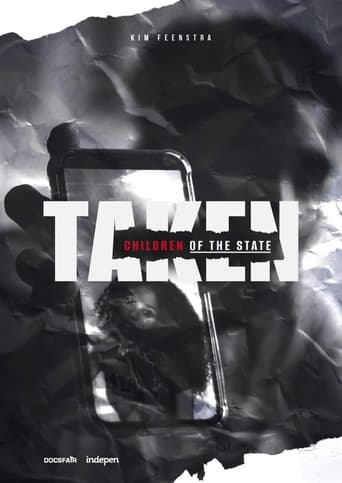
On June 12, 2019, the Committee to Investigate Violence in Youth Care presented its final report. The conclusions were startling. Kim Feenstra set out to find out what progress has been made within the Youth Care system since then and ended up in a circle of grief and pain dominated by money, power and powerlessness. In her search, Kim Feenstra spoke to many people involved. The stories can be described as downright shocking. In many cases Youth Care appears to act as a revenue model that is exploiting parents and children. The complex system has only one entrance, but the exit is obstructed by all stakeholders who want to maintain their revenue model. The people who really matter, the parents and children, encounter a power block of inhuman proportions. A system dominated by money, power and powerlessness.
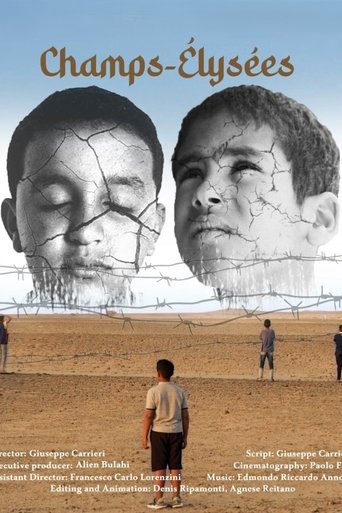
In May 2005, after 30 years of Moroccan occupation, Saharawi students initiated a series of peaceful demonstrations demanding their right to the United Nations-mandated referendum on Western Saharan independence. The Moroccan authorities responded with a brutal campaign of repression, detaining and torturing human rights activists as well as Saharawi students and children as young as eight years old.
This documentary follows two long-lost Ukrainian friends, Arsalan and Nastya, as they reconnect in Germany after russia's full-scale invasion against Ukraine. Arsalan, an actor now in Frankfurt after time in a refugee camp, and Nastya, journalist and producer who stayed in Kyiv, reflect on the divergent paths their lives have taken due to the war. Through their conversations and therapy sessions, the film explores themes of displacement, identity, and the emotional impact of war on youth.