

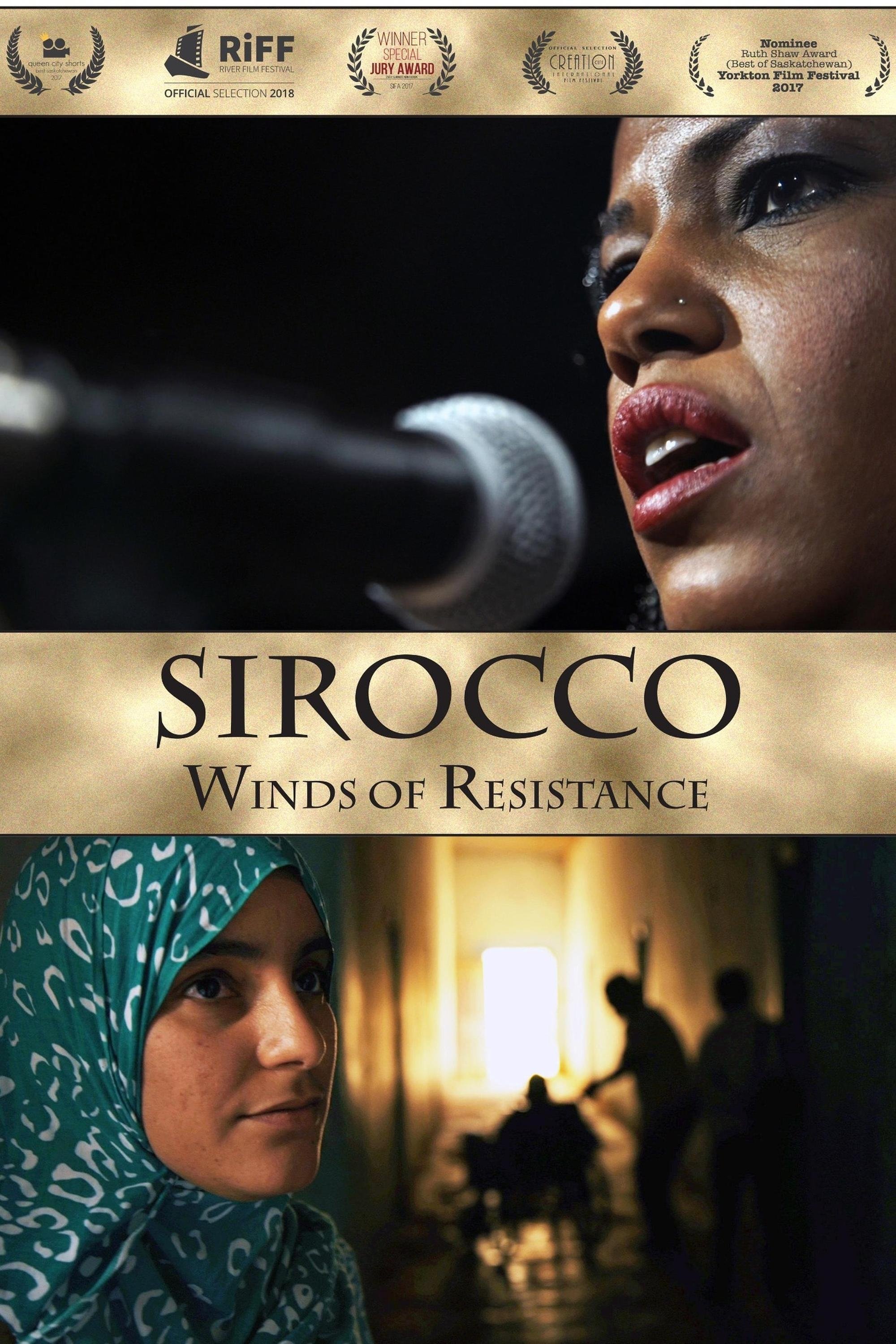
Sirocco: Winds of resistance
Documentary
Overview
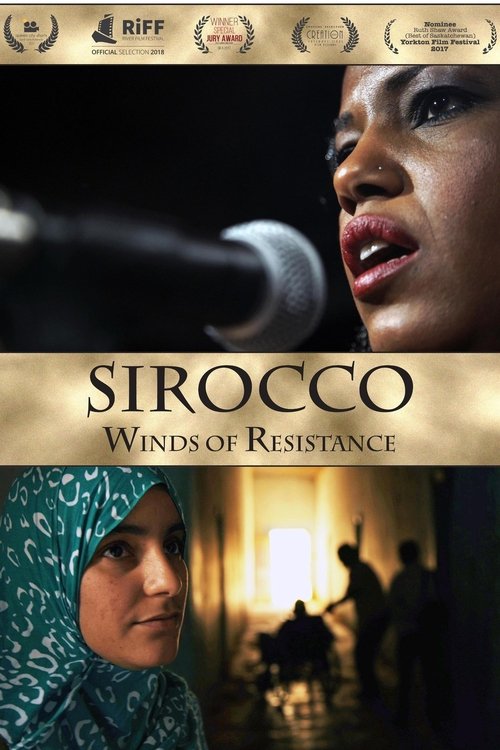
Drawing from the inspiration of their grandmothers, singer Aziza Brahim and activist Senia Abderhaman wrestle for the independence of their people from a brutal and corporate backed Moroccan regime using culturally derived methods of music, poetry, and nonviolent resistance.



No cast information.
Similar Movies
The Dawn is Too Far: Stories of Iranian-American Life poetically narrates the story of a community of Iranian Americans who have made the San Francisco Bay Area their home over the past five decades. The film explores Iranian immigration through turbulent histories of dissent, revolution, war, and separation, and the reinvention of identity in a new land and culture. The Dawn is Too Far highlights how Iranian students, activists, and artists have navigated displacement while drawing on and influencing Bay Area culture. This community offers a more nuanced story of the Iranian diaspora—the ways that this community enriches the region where they live, work, and build families. The Dawn is Too Far undermines the tired and overplayed news headlines that are dominated by narratives of enmity and mistrust between the government of Iran and the U.S., to offer a more humane understanding of the how people's lives and the sacrifices they make are part of the larger story of immigration.
This film is about the suffering of Sahrawi youth in the occupied Western Sahara. It tells the tragic story of their lives under occupation, and how Moroccan authorities push them to risk their lives and leave their homeland on flimsy boats to flee from a life of repression, fulfilling Morocco's goal of emptying the territory of youth, who are the foundations of society.
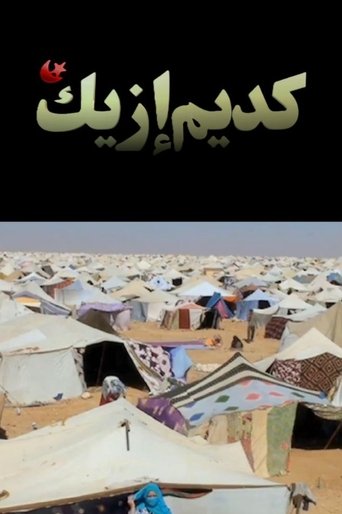
abel and Antonio are human rights activists. They were awoke by the loud noise of sirens and the roar of thousands of screamings. They picked what they could, between what was the camcorder. They switched it on and started recording what their eyes could not believe: the savage assault and destruction of the largest protest camp ever raised in the Sahara: Gdeim Izik. Tried to contact international press but their satellite phone had been disabled. Antonio and Isabel had to find a way to show these images to the world. It wouldn't be easy. They would have to spend nine days hidden in a safe house during one of the most obscure incidents in the Moroccan history.