

Bâtons d'encens pour Mizoguchi
Documentary

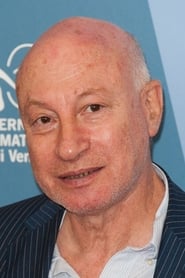
Pascal Bonitzer
Pascal Bonitzer
Self
Pascal Bonitzer
Self
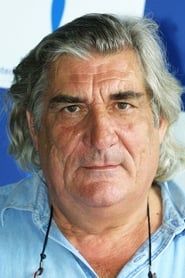
Jean-Claude Brisseau
Jean-Claude Brisseau
Self
Jean-Claude Brisseau
Self

Claude Chabrol
Claude Chabrol
Self
Claude Chabrol
Self
Jean Collet
Jean Collet
Self
Jean Collet
Self
Pierre-Henri Deleau
Pierre-Henri Deleau
Self
Pierre-Henri Deleau
Self
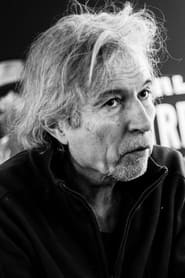
Jacques Doillon
Jacques Doillon
Self
Jacques Doillon
Self
Jean-Michel Frodon
Jean-Michel Frodon
Self
Jean-Michel Frodon
Self
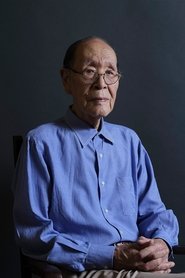
Shiguéhiko Hasumi
Shiguéhiko Hasumi
Self
Shiguéhiko Hasumi
Self
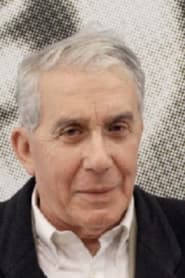
Jean Narboni
Jean Narboni
Self
Jean Narboni
Self
Charles Tesson
Charles Tesson
Self
Charles Tesson
Self
Similar Movies

The history of the Yakuza Eiga at the TOEI studio is roughly outlined. Real Yakuza and also their connections to the movie business are discussed, and many important actors and directors of the genres are interviewed. Former real yakuza boss turned actor Noboru Ando, Takashi Miike, Sonny Chiba and many more get a chance to speak.
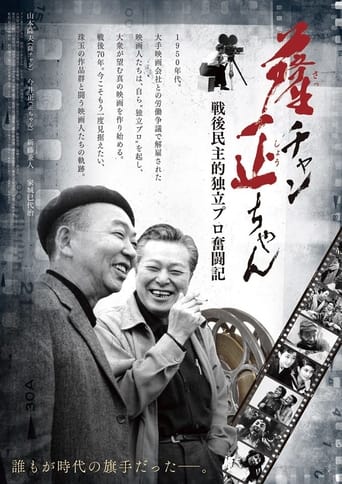
After the war, many filmmakers were expelled from the Japanese film industry due to the Toho Dispute and the Red Purge. Amid such circumstances, there were people who set up their own independent production companies and embarked on film production without relying on corporations. This documentary film focuses on the passionate "spirit of film" of directors such as Satsuo Yamamoto and Tadashi Imai, who, despite many hardships, produced a succession of masterpieces overflowing with humanism and rebellious spirit.
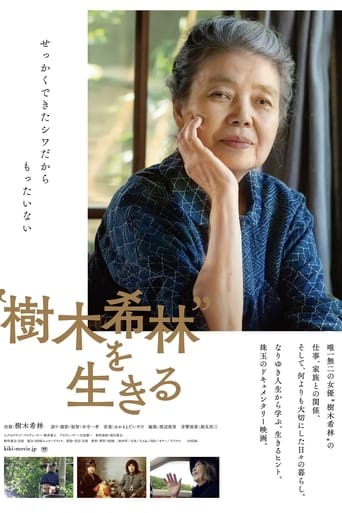
This documentary follows the last days of actress KIKI Kirin, who passed away on September 15, 2018. The documentary is the first long-term, in-depth coverage of Ki-kin, and is a re-edited version of the NHK documentary of the same title that was broadcast on September 26, 2006, adding previously unseen footage. She was loved all over Japan for her blunt remarks, her attentive concern for those around her, and her overflowing sense of humor. Despite her busy schedule, she valued her daily life and had her own unique style, even though she talked about life as it came. This film captures the last days of her life and gives us hints for living from her "life as it comes" and her many inspiring words.
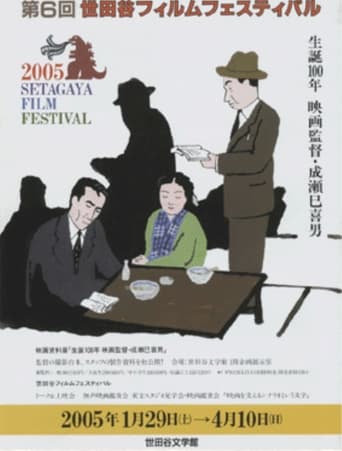
Because his style was similar to that of Yasujiro Ozu, who was already active at Shochiku, he moved to PCL (currently Toho) in 1933, where he appeared in the talkie works "My Wife, Like a Rose" and "Tsuruhachi Tsurujiro." It got attention. There were times when he was unable to make as many films as he wanted due to wartime film regulations and post-war Toho disputes, but in 1951 he revived his career with Meshi. Since then, he has released masterpieces one after another, including "Okaasan," "Lightning," "The Couple," "Wife," "Anii Mouto," "Sounds of the Mountain," and "Bangiku." The pinnacle of his work, "Floating Clouds," is Kenji Mizoguchi's "Wife." Even director Ozu was impressed, calling it a masterpiece of Japanese cinema, on par with "The Sisters of Gion." He depicted ordinary people in everyday life with an everyday realism that was not influenced by lyricism, and he consistently sought out women as his subjects.