

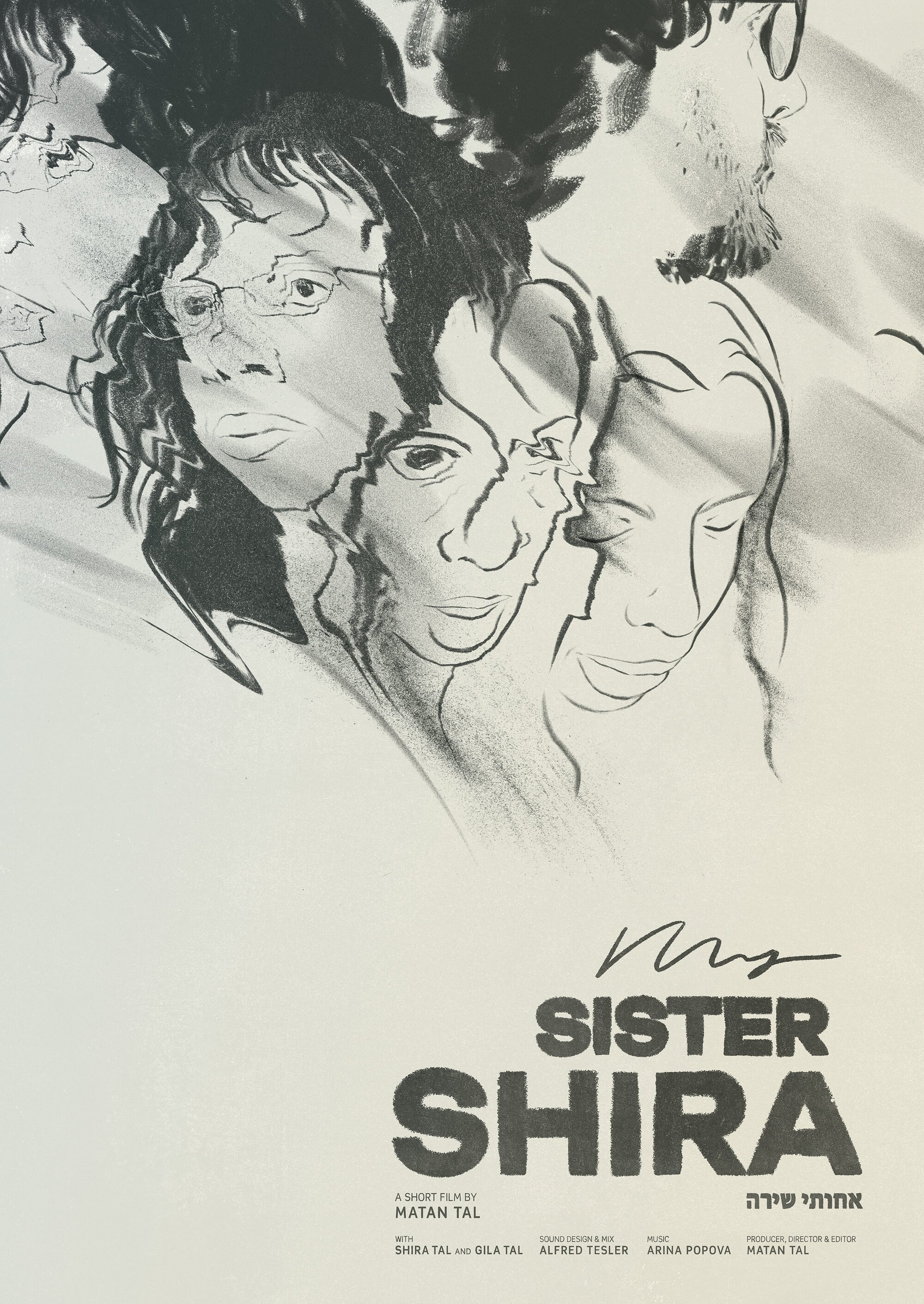
My Sister Shira
Documentary
Overview
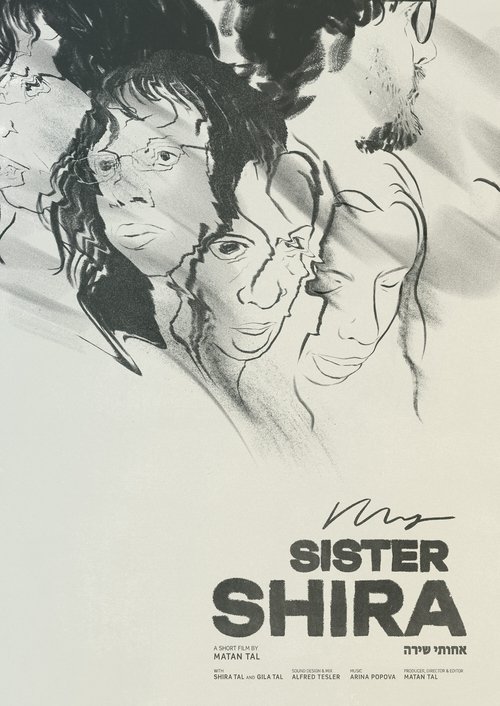
Until the age of nine, Matan never knew his older sister had a rare syndrome. When she chooses to undergo plastic surgery to change her syndrome-induced appearance, it sets him on a 15-year journey to reexamine their childhood and the bond they shared.
No cast information.
Similar Movies
Documentary about punk band Heavy Load, subject to the combustible flux of ego, ambition, fantasy, expectation and desire that fuels any emerging band, but uniquely made up of musicians with and without learning disabilities. This makes the band's survival a precarious negotiation between two different worlds - on the one hand the institutional timetable of day centres, work placements and social workers and, on the other, the chaotic slacker life of rehearsal rooms, studios and gigs. (Storyville)
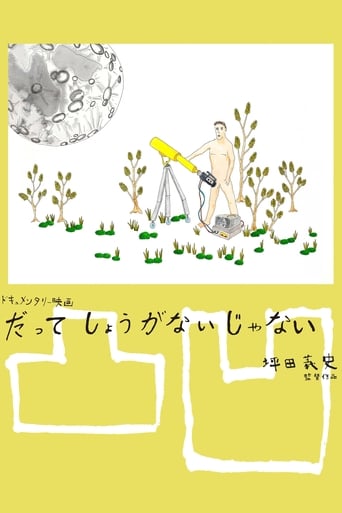
When filmmaker Yoshifumi Tsubota learns about his slightly autistic uncle who lives alone, he decides to visit him. Drawn to his uncle’s unique personality, he begins to roll his camera as he visits him over the years. Tsubota himself had been diagnosed with a developmental disability and so understanding his uncle is also an act of understanding himself. Through intimate and personal footage, this charming film is gem of a documentary that also highlights contemporary social issues surrounding aging and social care for the disabled.
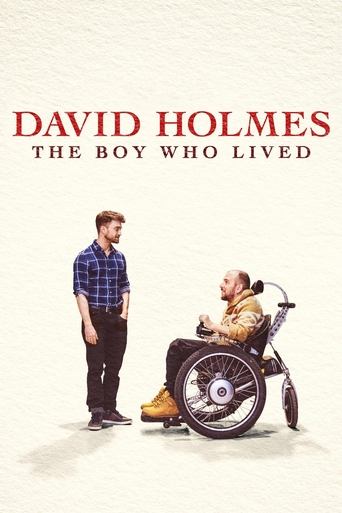
As Daniel Radcliffe's stunt double in the Harry Potter films, David Holmes' work has been seen worldwide by millions of people. Tragically an on-set accident ended what David calls "the best job in the world," leaving him paralyzed. Like the on-screen character he helped bring to life, David is determined to continue seeking adventure and living life to the fullest despite mounting obstacles.
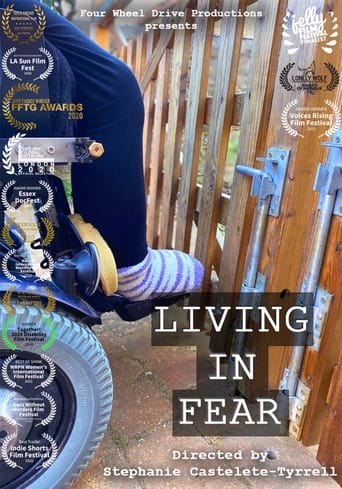
Filmed and edited entirely in isolation, Living in Fear is an educational and inspiring documentary directed by myself, Stephanie Castelete-Tyrrell, a disabled filmmaker as I capture the fears and struggles disabled people faced before the government implemented the lockdown on the 23rd March 2020. Thousands of people with disabilities were left in the dark and had to make the call weeks before to lockdown as it was inevitable that we would die if we caught the virus. Food was impossible to access because we couldn't go out or get delivery slots, and even if we did panic buyers made it impossible to get the items we desperately needed. We were truly isolated, unable to have family and friends visit. Having carers coming in and out of the house was risky and many disabled people felt that having basic care was putting their lives at risk.