

Corals’ Last Stand
Documentary
Overview
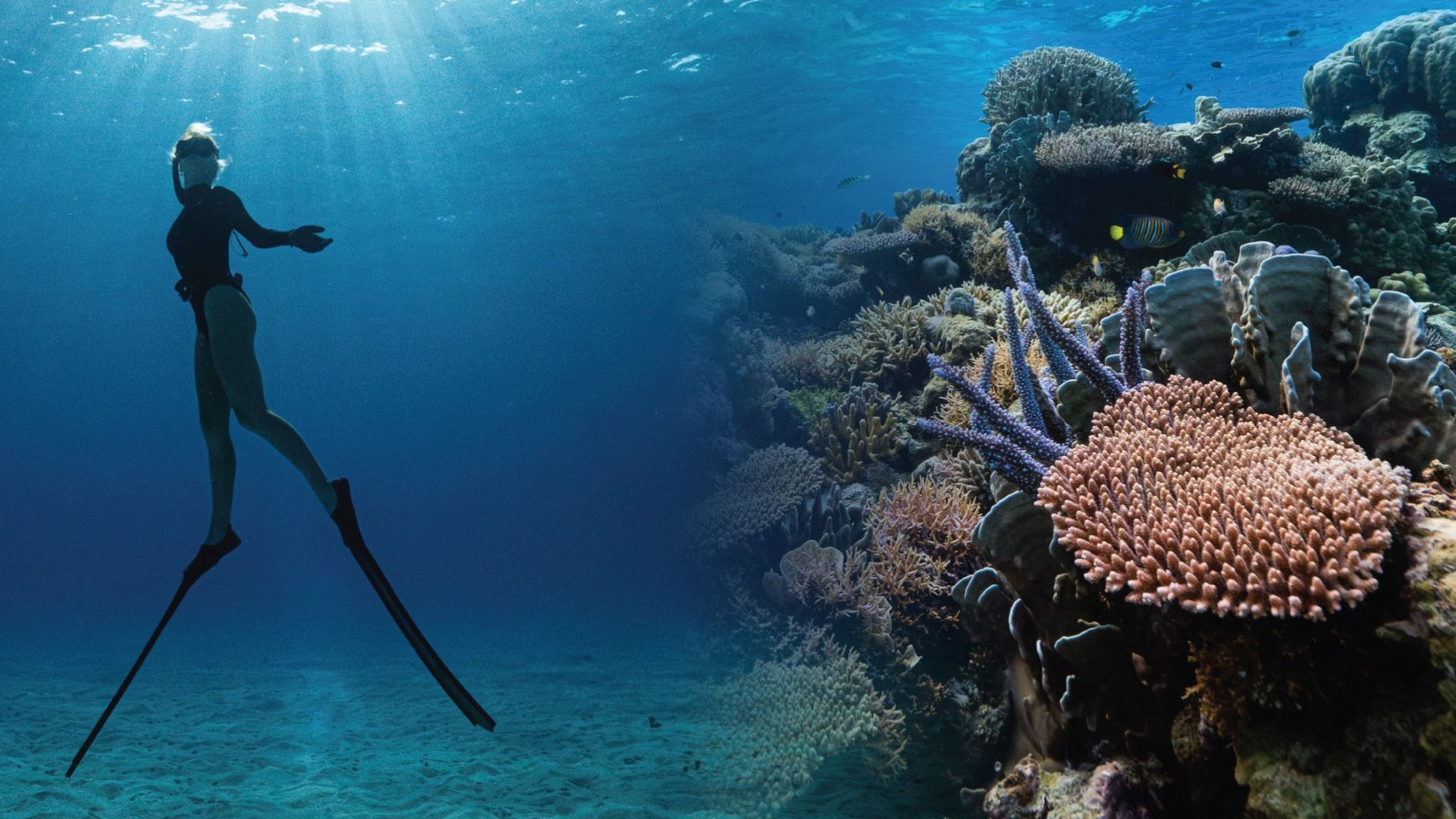
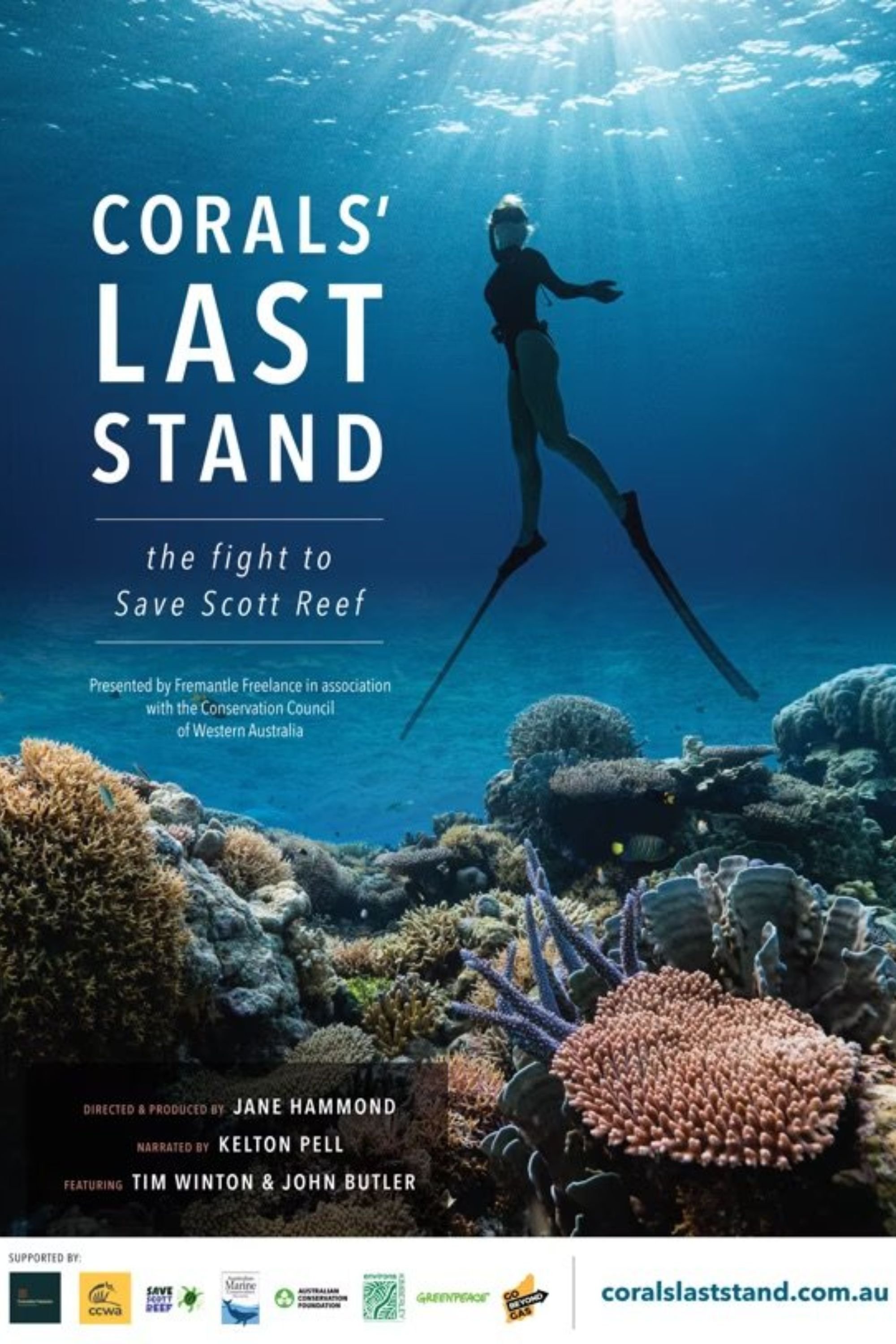
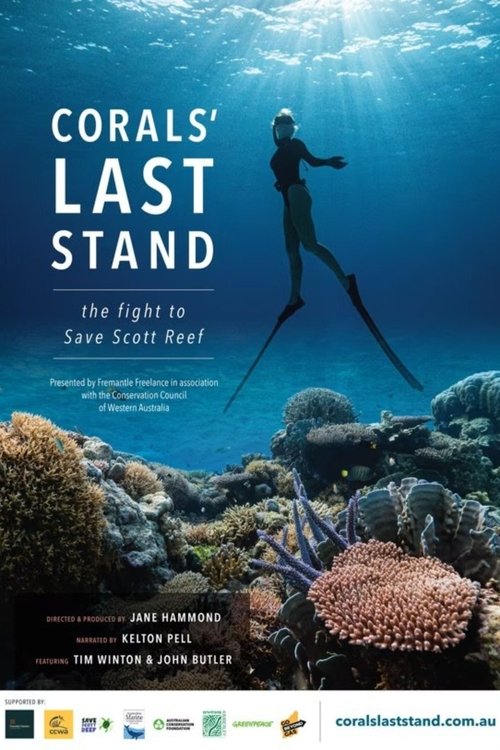
Perched on the edge of the continental shelf, 300km from the Australian mainland lies Scott Reef. This ancient coral atoll, isolated for millions of years from other reef systems and mainland influences, has developed its own sub populations of unique species. Formed more than 15 million years ago Scott Reef is home to more than 1200 species including endangered seas snakes, green turtles and spectacular corals. Endangered pygmy whales and other rare cetaceans stop at Scott Reef on their annual migrations to feed on the abundant krill. It is one of only a few spots along the west coast of Australia where krill can be found in sufficient quantities to replenish the needs of these large creatures. But Scott Reef is under threat.


Tim Winton
Tim Winton
Self
Tim Winton
Self
John Butler
John Butler
Self
John Butler
Self
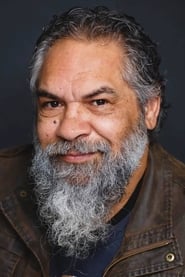
Kelton Pell
Kelton Pell
Narrator
Kelton Pell
Narrator
Dr Ben Fitzpatrick
Dr Ben Fitzpatrick
Self
Dr Ben Fitzpatrick
Self
Brinkley Davies
Brinkley Davies
Self
Brinkley Davies
Self
Similar Movies
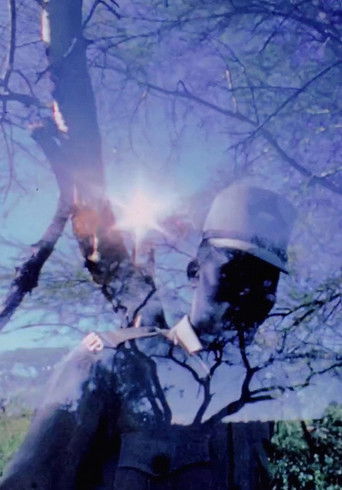
Moonchild is one of Fulton’s very earliest ethnographic projects. Filming in East Africa while on another production, he shoots with single frame bursts from his Bolex camera with an Angenieux 5.9 lens. He could shoot inconspicuously from the hip, an approach he learned from his father, filmmaker Robert Fulton Jr. In Moonchild, he shares his first impressions of Africa.
Like an antipodean version of Romeo and Juliet, it emerges that Warri and Yatungka became the last nomads because they had married outside their tribal laws and eloped to the most inaccessible of regions. In 1977 the land was stricken by a severe drought and their tribal elders mounted a search for them with the help of a party of white men led by Dr Bill Peasley and one of their own number, a childhood friend named Mudjon. The film takes Dr Peasley back into the desert to relive his momentous journey with Mudjon and culminates with poignant archival footage of the elderly couple found naked and starving.
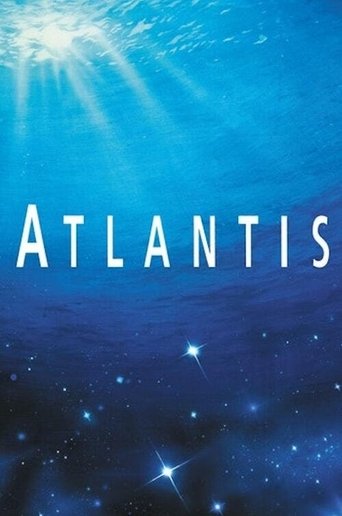
Atlantis is filmmaker Luc Besson's celebration of the beauty and wonder of the world beneath the sea, expanding upon themes touched on in his film The Big Blue. Combining stunning underwater cinematography and a hypnotic score by Eric Serra, Besson's singular vision defies dialogue or narrative structure to explore ocean life as you've never seen it before. Following the colossal success of The Big Blue, Luc Besson crisscrossed the world's seas and oceans to film the beauty and diversity of marine life: from the giant octopuses of Vancouver to the manta rays of the Pacific (New Caledonia), and the grey sharks of Tahiti. A film with no actors or sets other than the underwater world. A breathtaking view of marine species: sharks, dolphins, manatees, octopuses. An exploration of the seabed in the Bahamas, the Galapagos, Vancouver, and Tahiti.
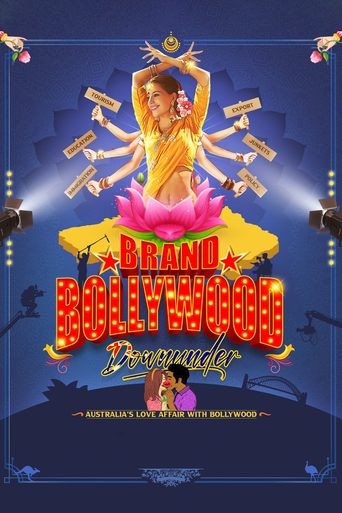
When most people think about Australia, they picture massive sandy beaches, singlet-clad locals drinking beer, and kangaroos bounding through the dusty red outback. Saris, musical numbers, and masala are the furthest from anyone's mind - unless of course, you're one of the millions of Bollywood fans from around the world.
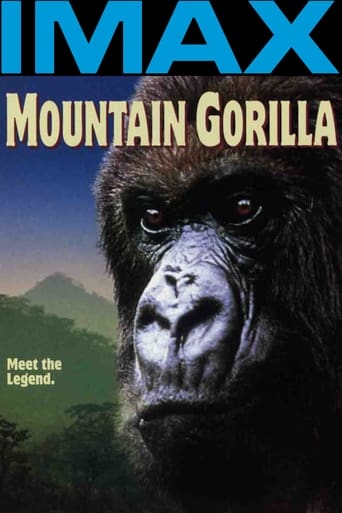
Mountain Gorilla takes us to a remote range of volcanic mountains in Africa, described by those who have been there as ""one of the most beautiful places in the world"", and home to the few hundred remaining mountain gorillas. In spending a day with a gorilla family in the mountain forest, audiences will be captivated by these intelligent and curious animals, as they eat, sleep, play and interact with each other. Although gorillas have been much-maligned in our popular culture, viewers will finally ""meet the legend"" face to face, and learn about their uncertain future.