


Hedd Wyn
War · Drama
Overview
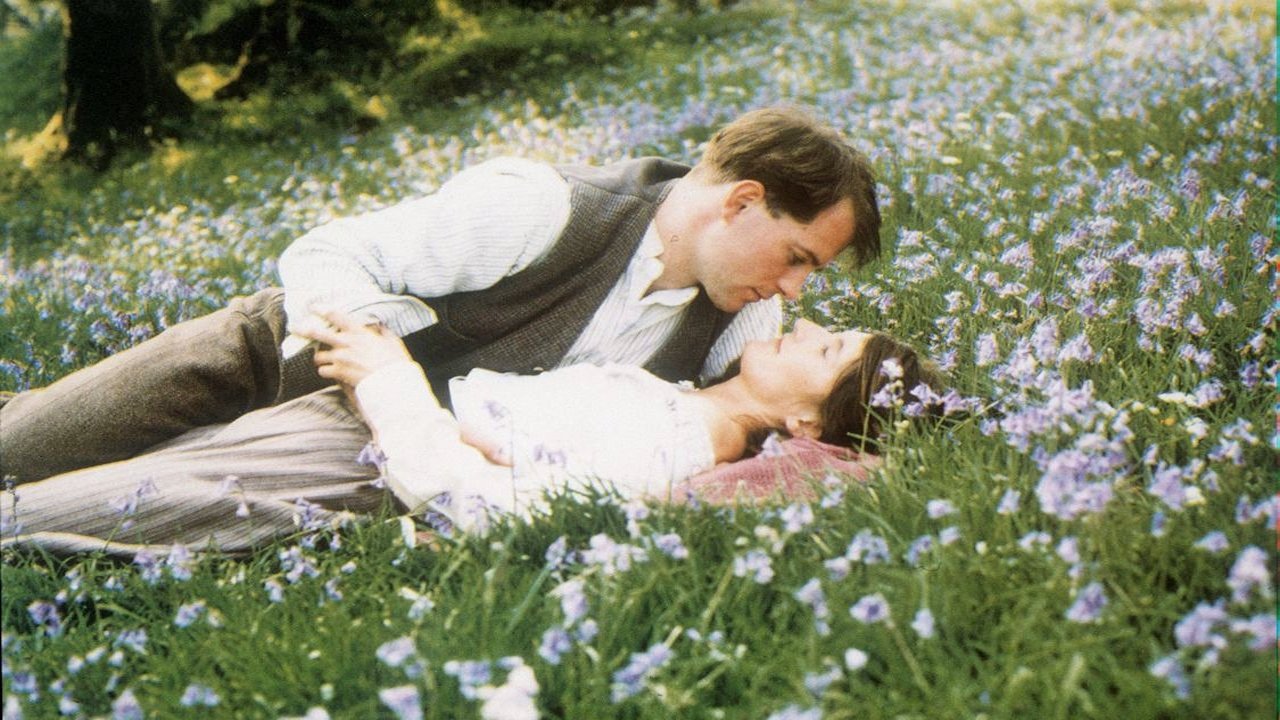
'Hedd Wyn' is a 1992 Welsh anti-war biopic. Ellis Humphrey Evans, a farmer's son and poet living at Trawsfynydd in the Meirionydd countryside of upland Wales, competes for the most coveted prize of all in Welsh Poetry - that of the chair of the National Eisteddfod, which in August 1917 was due to be held in Birkenhead (one of the rare occasions when it was held in England). After submitting his entry, under his bardic name "Hedd Wyn" ("Blessed Peace") Evans later departs from Meirionydd by train to join the Royal Welsh Fusiliers in Liverpool, despite his initial misgivings about the war. Ellis is sent to fight in the trenches of Flanders. 'Hedd Wyn' was the first Welsh-language film to be nominated for an Oscar.
Top Cast
Huw Garmon
Ellis Evans / Hedd Wyn
Catrin Fychan
Magi Evans
Ceri Cunnington
Bob Evans
Llio Silyn
Mary Evans
Grey Evans
Evan Evans
Gwen Ellis
Mary Evans
Emma Kelly
Enid Evans
Sioned Jonês Williams
Cati Evans
Llŷr Joshua
Ifan Evans
Angharad Roberts
Ann Evans
Geraint Roberts
R. Williams Parry
Emlyn Gomer
Morris Davies / Moi




Huw Garmon
Huw Garmon
Ellis Evans / Hedd Wyn
Huw Garmon
Ellis Evans / Hedd Wyn
Catrin Fychan
Catrin Fychan
Magi Evans
Catrin Fychan
Magi Evans
Ceri Cunnington
Ceri Cunnington
Bob Evans
Ceri Cunnington
Bob Evans
Llio Silyn
Llio Silyn
Mary Evans
Llio Silyn
Mary Evans
Grey Evans
Grey Evans
Evan Evans
Grey Evans
Evan Evans
Gwen Ellis
Gwen Ellis
Mary Evans
Gwen Ellis
Mary Evans
Emma Kelly
Emma Kelly
Enid Evans
Emma Kelly
Enid Evans
Sioned Jonês Williams
Sioned Jonês Williams
Cati Evans
Sioned Jonês Williams
Cati Evans
Llŷr Joshua
Llŷr Joshua
Ifan Evans
Llŷr Joshua
Ifan Evans
Angharad Roberts
Angharad Roberts
Ann Evans
Angharad Roberts
Ann Evans
Similar Movies
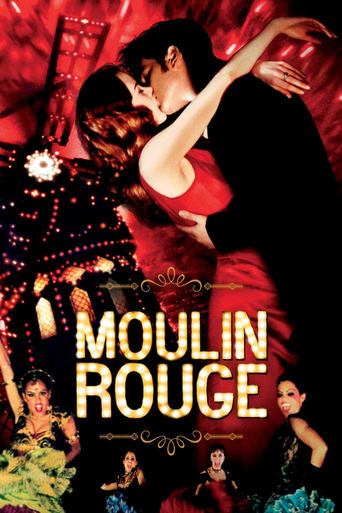
A celebration of love and creative inspiration takes place in the infamous, gaudy and glamorous Parisian nightclub, at the cusp of the 20th century. A young poet, who is plunged into the heady world of Moulin Rouge, begins a passionate affair with the club's most notorious and beautiful star.

Narcisus and Psyche is based on a novel by Sandor Weores which was adapted by Vilmos Csaplar and director Gabor Body for a feature-length film. Borrowing the character of Psyche from mythology and placing her in Europe in the 19th century, the authors give her a "modern" life. She is an attractive young woman - and remains so throughout the film, in spite of one hardship after another. Psyche is libidinous, and her prurient interests shock her staid contemporaries.
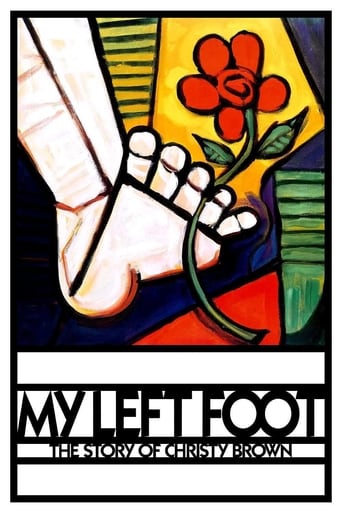
No one expects much from Christy Brown, a boy with cerebral palsy born into a working-class Irish family. Though Christy is a spastic quadriplegic and essentially paralyzed, a miraculous event occurs when, at the age of 5, he demonstrates control of his left foot by using chalk to scrawl a word on the floor. With the help of his steely mother — and no shortage of grit and determination — Christy overcomes his infirmity to become a painter, poet and author.
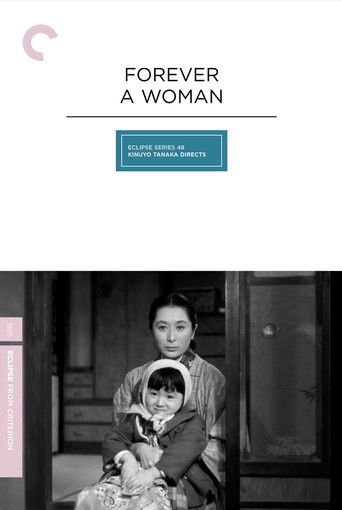
Fumiko, mother of two and wife to an unfaithful man, shares her family life with her budding vocation as a poet. The beginning of her successful literary career coincides with her divorce and her breast cancer diagnosis. In her final stages, Fumiko meets a young journalist from Tokyo who wants to write a story on her experiences.
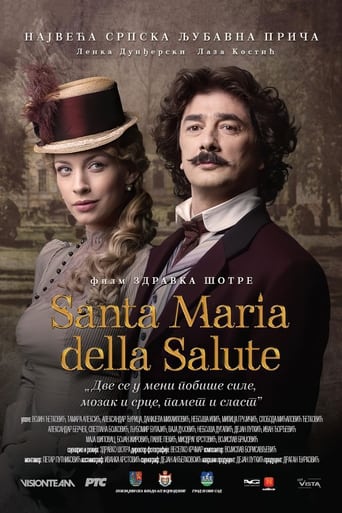
The film narrates a tormented love story between one of the most famous poets of Serbian literature, Laza Kostic, renowned for his sublime poetic puns and word coining and an enchanting young girl by the name of Lenka Dundjerski, an educated and refined daughter of a landowner Lazar Dundjerski. Standing in the way of their love is the insurmountable age gap between the two, as Kostic is 29 years older than his beloved one. The affair inspired one of the most sophisticated and tender love poems of the time, an utmost expression of yearning, in which the poet's unflinching devotion is linked to his admiration for a Venice basilisk by the name of Santa Maria della Salute.