

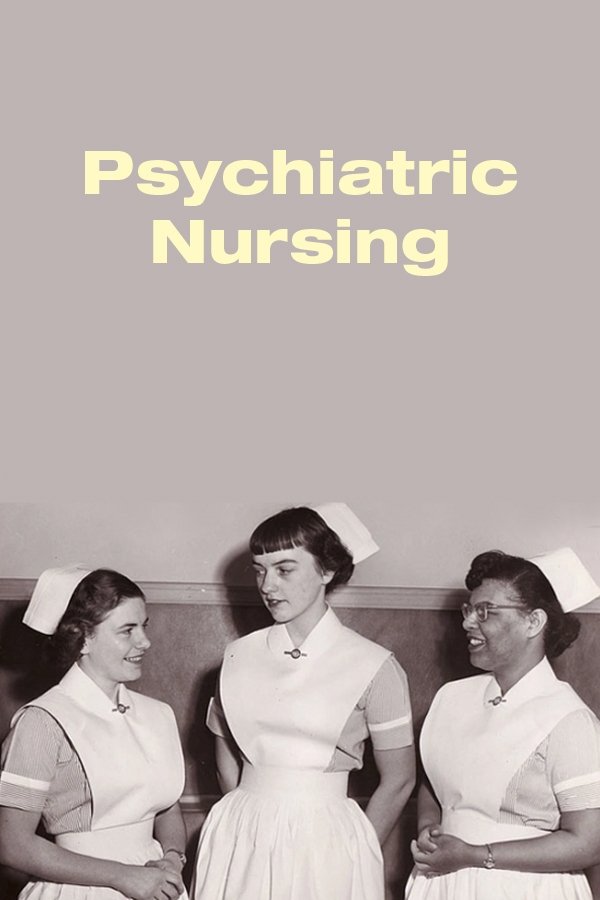
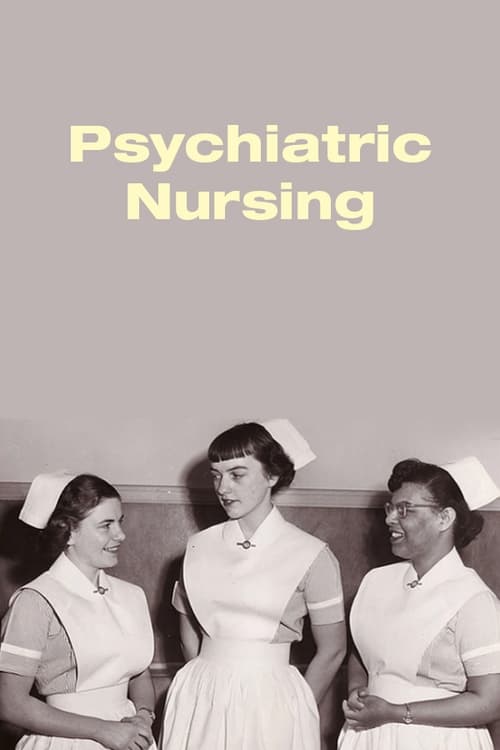
Psychiatric Nursing
Documentary
Overview
Psychiatric Nursing: The Nurse-Patient Relationship is a 1958 American documentary film directed by Lee R. Bobker. It was nominated for an Academy Award for Best Documentary Feature.
Top Cast








Susan Davis
Susan Davis
Self - Nurse
Susan Davis
Self - Nurse
Trudy Calvin
Trudy Calvin
Self - Patient
Trudy Calvin
Self - Patient
Similar Movies
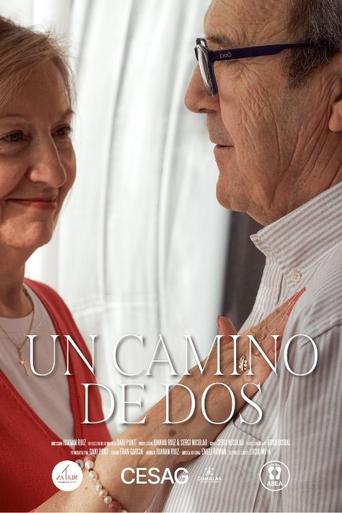
Segismundo Morey has spent his last few years facing the challenges imposed by Andrade’s rare disease. This medical condition, which affects his nervous and muscular system, has left a deep mark on his daily life and that of those around him. Over the years, Segismundo has had to overcome physical and emotional obstacles, dealing with difficulties in walking and moving normally. However, despite the constant challenges, he has found comfort and strength in the unconditional love and support of his family. Together, they have faced the adversities of Andrade’s disease, forming an indestructible bond that has been key in their shared journey.
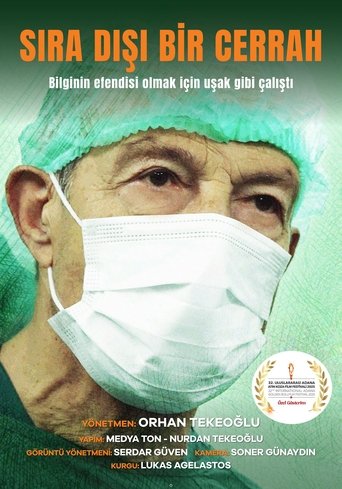
It tells the compelling story of Ali Akyüz's educational journey, which began in a village school in the Of district of Trabzon, and continued through Trabzon High School to Istanbul University Faculty of Medicine, where he became one of the pioneers of Turkish medicine. Ali Akyüz, who taught and practiced medicine in the Department of General Surgery at Istanbul Faculty of Medicine for 42 years, was one of the first to introduce endoscopic surgery to Türkiye in the 1980s. Akyüz, who traveled to England at his own expense and received training, guided the nationwide expansion of treatment facilities in the region.
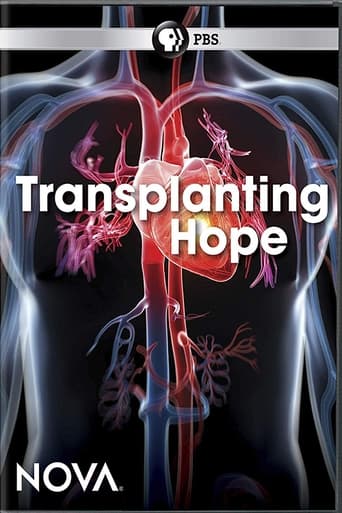
NOVA takes you inside the operating room to witness organ transplant teams transferring organs from donors to recipients. Meet families navigating both sides of a transplant, and researchers working to end the organ shortage. Their efforts to understand organ rejection, discover ways to keep organs alive outside the body, and even grow artificial organs with stem cells, could save countless lives.
This compelling film represents a rare record of an original genius. In Jung on Film, the pioneering psychologist tells us about his collaboration with Sigmund Freud, about the insights he gained from listening to his patients' dreams, and about the fascinating turns his own life has taken. Dr. Richard I. Evans, a Presidential Medal of Freedom nominee, interviews Jung, giving us a unique understanding of Jung's many complex theories, while depicting Jung as a sensitive and highly personable human being.

Averroès and Rosa Parks: two units of the Esquirol Hospital, which - like the Adamant - are part of the Paris Central Psychiatric Group. From individual interviews to «carer-patient» meetings, the filmmaker focuses on showing a form of psychiatry that continually strives to make room for and rehabilitate the patients’ words. Little by little, each one eases open the door to their world. Within an increasingly worn-out health system, how can the forsaken be given a place among others.
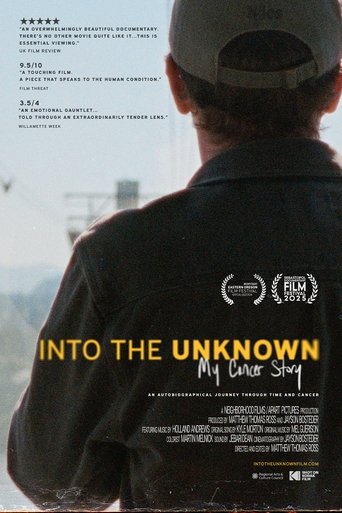
Filmmaker Matthew Thomas Ross provides an original look into his personal journey of a rare cancer diagnosis in his 30s. Through expansive childhood home videos, vulnerable interviews, and intimate footage, we follow Matthew as he documents his battle against Stage 4 appendix cancer. While traveling through the seasons, he struggles to navigate the physical and mental toll of a diagnosis full of so many unknowns. He ultimately finds hope and purpose in completing his first feature film; this documentary.
Essence of Healing is a documentary exploring the life journeys of 14 American Indian nurses - their experiences growing up, their experiences in nursing school, and their experiences on the job. They are part of a larger story - a historical line of care and compassion that has run through hundreds of indigenous tribes for thousands of years.
More and more doctors and surgeons are using hypnosis as a supplement to anesthesia during surgery. Hypnosis is also gaining increasing recognition among conventional physicians, especially for anesthesia and pain treatment. Can it also help with psychological stress disorders such as trauma, phobias, addiction, depression or burnout?

Marina Carrère d'Encausse lifts the veil on the intimate questions that preoccupy her as well as society at large: those related to the end of life. The doctor-journalist introduces Antoine, her partner, who is suffering from Charcot's disease, an incurable illness, and who wishes to choose how he ends his life. Is the current law in France sufficient? Should it simply be better enforced, allowing better access to palliative care? Should assisted suicide and euthanasia be legalized? Marina meets with patients concerned about the end of life, caregivers, and politicians in France, as well as in Belgium, Switzerland, and Canada, countries where euthanasia and assisted suicide are legal.