

Documentary
Overview
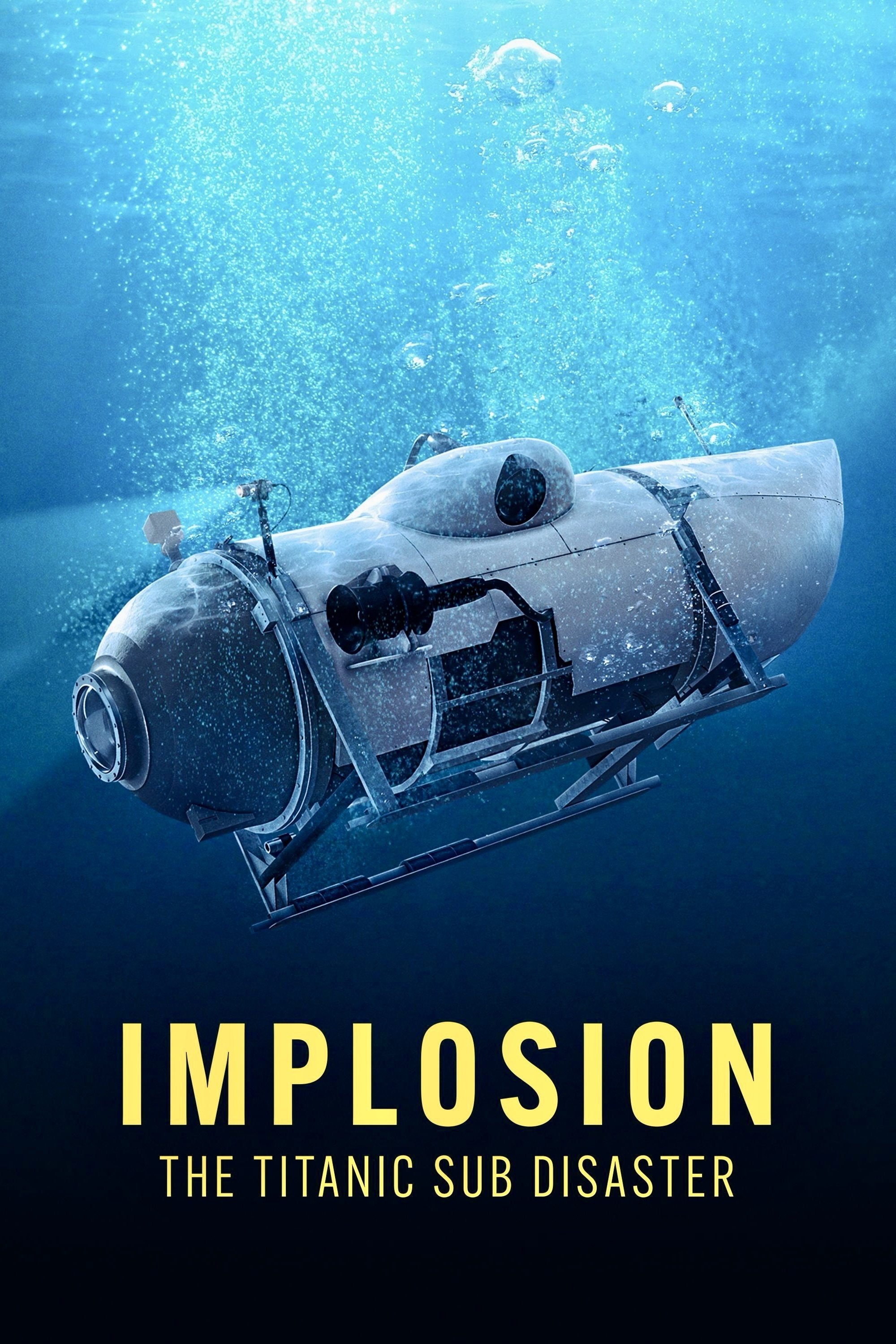
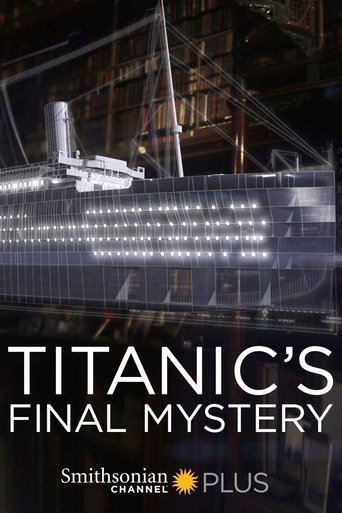
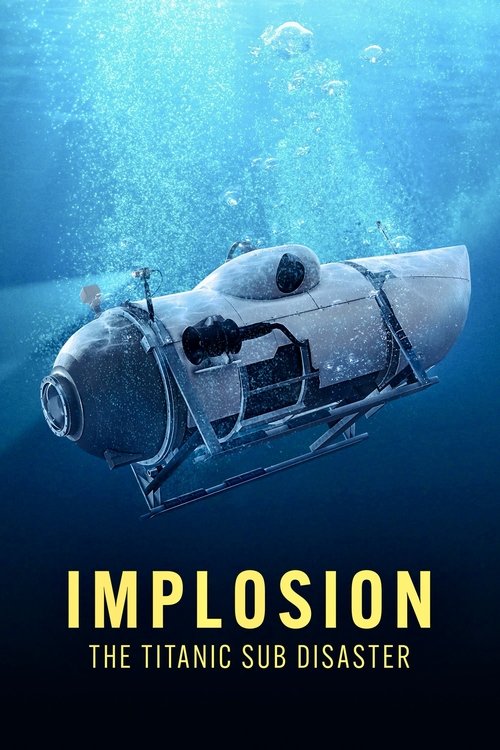
A Titanic dive. A fatal implosion. Five lives lost. As the world watched, investigators raced to uncover the truth behind the disaster. But was this more than a tragic accident?
Top Cast
Josh Gates
Self

Stockton Rush
Self (archive footage)
Sara Powell
Self - Narrator (voice)
Jason Neubauer
Self - Chair, United States Coast Guard Titan Marine Board of Investigation
Kelly Steele
Self - Investigator U.S. Coast Guard Titan Marine Board of Investigation
Tym Catterson
Self - Submersible Pilot, OceanGate Contract Safety Diver
Petros Mathioudakis
Self - Underwater Electronics Technician
Antonella Wilby
Self - OceanGate Contractor, Remotely Operated Vehicle Expert
Wendy Rush
Self - OceanGate Director of Communications
Tony Nissen
Self - OceanGate Director of Engineering 2016 - 2019
Christine Dawood
Self


Josh Gates
Josh Gates
Self
Josh Gates
Self
Stockton Rush
Stockton Rush
Self (archive footage)
Stockton Rush
Self (archive footage)
Sara Powell
Sara Powell
Self - Narrator (voice)
Sara Powell
Self - Narrator (voice)
Jason Neubauer
Jason Neubauer
Self - Chair, United States Coast Guard Titan Marine Board of Investigation
Jason Neubauer
Self - Chair, United States Coast Guard Titan Marine Board of Investigation
Kelly Steele
Kelly Steele
Self - Investigator U.S. Coast Guard Titan Marine Board of Investigation
Kelly Steele
Self - Investigator U.S. Coast Guard Titan Marine Board of Investigation
Tym Catterson
Tym Catterson
Self - Submersible Pilot, OceanGate Contract Safety Diver
Tym Catterson
Self - Submersible Pilot, OceanGate Contract Safety Diver
Petros Mathioudakis
Petros Mathioudakis
Self - Underwater Electronics Technician
Petros Mathioudakis
Self - Underwater Electronics Technician
Antonella Wilby
Antonella Wilby
Self - OceanGate Contractor, Remotely Operated Vehicle Expert
Antonella Wilby
Self - OceanGate Contractor, Remotely Operated Vehicle Expert
Wendy Rush
Wendy Rush
Self - OceanGate Director of Communications
Wendy Rush
Self - OceanGate Director of Communications
Tony Nissen
Tony Nissen
Self - OceanGate Director of Engineering 2016 - 2019
Tony Nissen
Self - OceanGate Director of Engineering 2016 - 2019
Similar Movies
Explore the 1928 collapse of the St. Francis Dam, the second deadliest disaster in California history. A colossal engineering and human failure, the dam was built by William Mulholland, a self-taught engineer who ensured the growth of Los Angeles by bringing the city water via aqueduct. The catastrophe killed more than 400 people and destroyed millions of dollars of property.
Showcases 3 major events during World War 2 involving both the Europeans & Pacific conflicts. The Raids to destroy Nazi Germany's heavy water production based in Norway, plus the final desperate act to deny them what had already been stockpiled. The Japanese midget submarines role and participation in the attack on Pearl Harbor, December 7, 1941. What they achieved plus what was their ultimate fate. The attacks on United States warships in the Pacific late in World War 2 by the Japanese Kamikaze and Okha Squadrons. The Kamikaze attacks were in whatever planes the Japanese forces were able to gather. The Okha attacks were made in specially built flying bombs that were towed by larger and usually slower aircraft that were not suitable for fighter work.
In 2016, a young Austrialian filmmaker began documenting amateur inventor Peter Madsen. One year in, Madsen brutally murdered Kim Wall aboard his homemade submarine. An unprecedented revelation of a killer and the journey his young helpers take as they reckon with their own complicity and prepare to testify.

Forty years later, rock legends Pete Townshend and Roger Daltrey sat down for first-of-a-kind, exclusive interviews with WCPO Anchor Tanya O’Rourke. Their candid revelations about the horrific night of Dec. 3, 1979 in Cincinnati form the basis for O'Rourke's historical documentary, "The Who: The Night That Changed Rock."

The late Len Bias still leaves more questions than answers. When Bias dropped dead two days after the 1986 NBA Draft, he forever altered our perception of casual drug use and became the tipping point of America's drug crisis in the mid-80's. Future generations continue to face the harsh punishment of drug policies that were influenced by the public outcry after his heartbreaking death. Instead of becoming an NBA star, he became a one-man deterrent, the athlete who reminded everyone just how dangerous drug use can be. Amazingly, questions still linger about his death nearly a quarter-century later. How good could he have been in the pro ranks? Has he become underrated or overrated as the years pass? How could a University of Maryland superstar and Boston Celtics lottery pick be derailed by a cocaine binge? Was Bias a one-time user as we were led to believe, or was there a pattern of recreational use that led to his fatal last night? Did he fall in with the wrong crowd.
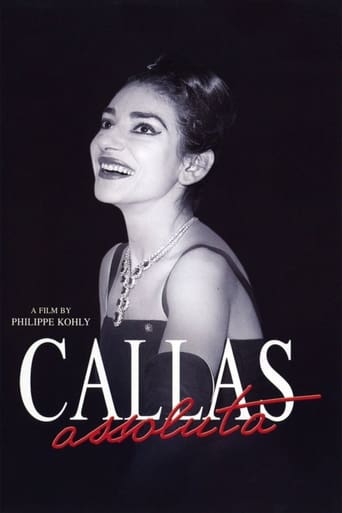
This revealing documentary from director Philippe Kohly examines the storied life of renowned soprano Maria Callas, from her troubled childhood in New York City to her scandal-laden but triumphant international career in opera. Featuring archival interviews with Callas herself and footage of contemporaries such as her lover Aristotle Onassis, this celebration of "La Divina" pays tribute to her enduring legacy some three decades after her death.
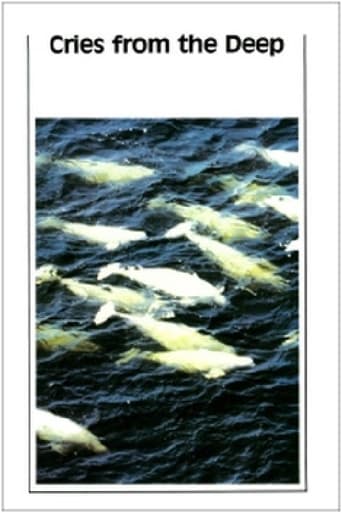
This documentary records the journey undertaken by Jacques Cousteau, his 24-member team, and an NFB film crew to explore the Grand Banks of Newfoundland, one of the world's richest fishing areas. They discover shipwrecks, film icebergs and observe beluga whales, humpback whales and harp seals. The film also includes a fascinating sequence showing Calypso divers freeing a calf whale entrapped in a fishing net.
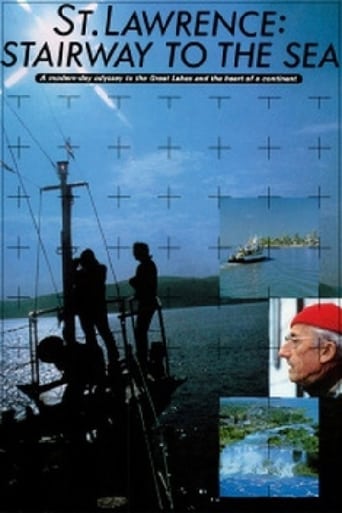
In this spectacular feature-length documentary, oceanographer Jacques Cousteau and an NFB crew sail up the St. Lawrence River to the Great Lakes on board the specially equipped vessel, the Calypso. They explore the countryside from their helicopter and plumb the depths of the waters in their diving saucer. They encounter shipwrecks, the Manicouagan power dam, Niagara Falls, the locks of the St. Lawrence Seaway and an underwater chase with caribou.
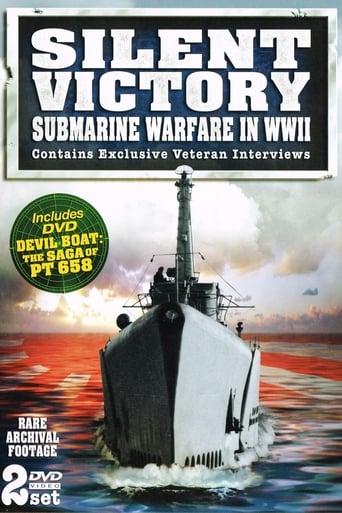
This World War II documentary rests on an unusual thesis: it argues that, in the wake of Pearl Harbor, the actions precipitated by the U.S.A.F. that truly helped turn the tide were perpetrated not by the widely-ballyhooed U.S.N. aviators or aircraft carriers, but by the American submarines - silent warriors beneath the deceptively placid ocean surface. The subs, after all, were responsible for gravely wounding Japan's industry, all but destroying the Japanese merchant fleet, and therefore preventing reinforcement of Japanese military garrisons. In relaying this story, the program draws on a series of interviews with military veterans, and endless archival footage of naval battles that chronologically tells the gripping story of the Pacific Front of the war.