

The Democratic Revolutionary Handbook
Documentary
Overview
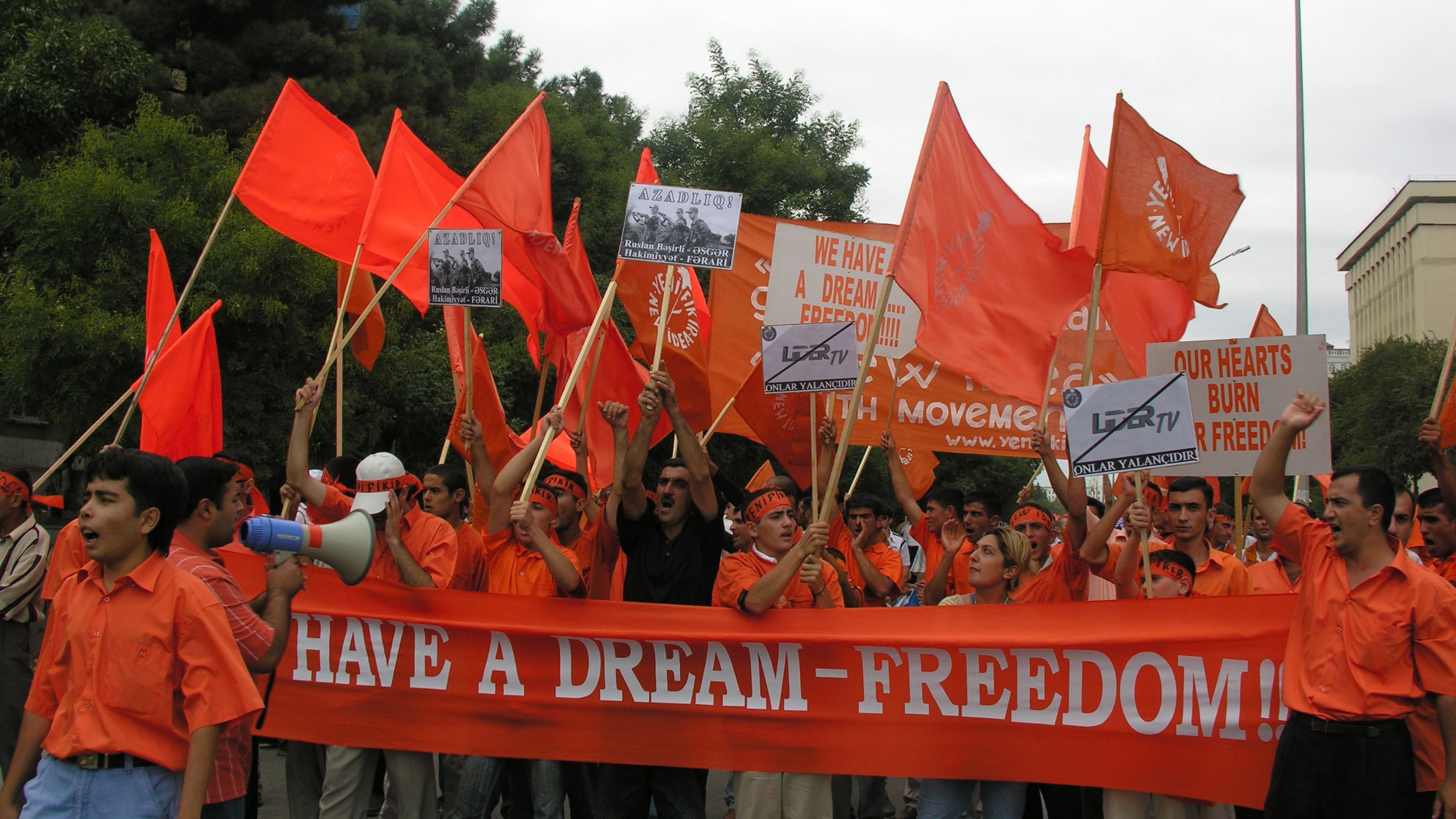
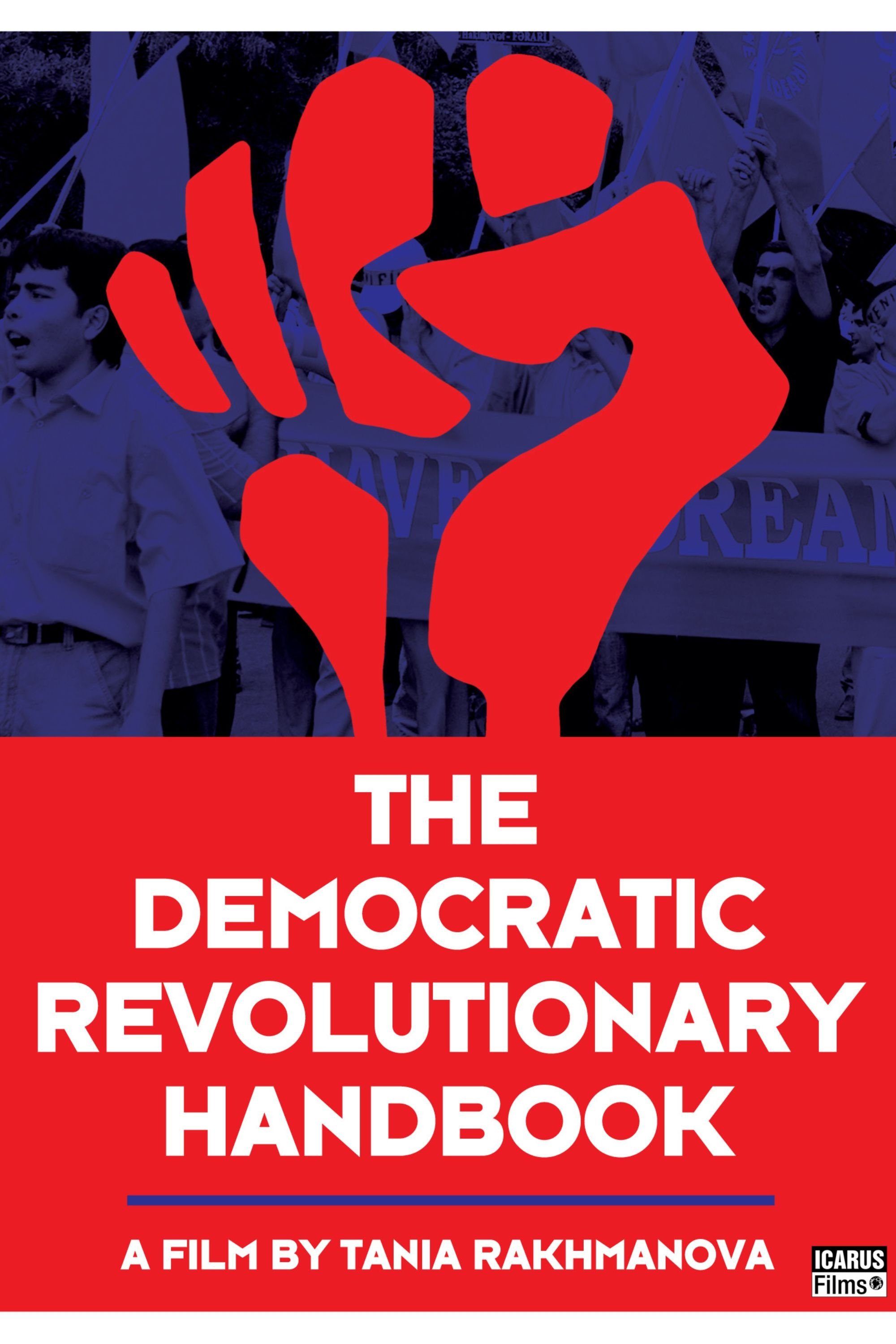
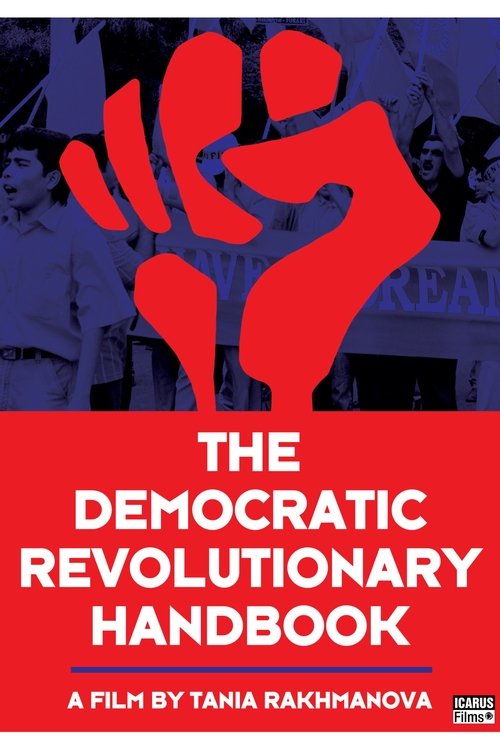
The recent democratic revolutions throughout Eastern Europe—Serbia in 2000, Georgia in 2003, and the Ukraine in 2004—all seemed to follow a quick and easy pattern: the exposure of rigged elections, followed by massive street protests, and a regime that collapsed without a fight. But THE DEMOCRATIC REVOLUTIONARY HANDBOOK reveals the lengthy and meticulous preparations behind these seemingly spontaneous demonstrations, showing how modern marketing techniques have combined with revolutionary politics to transform the region's governments.





No cast information.
Similar Movies
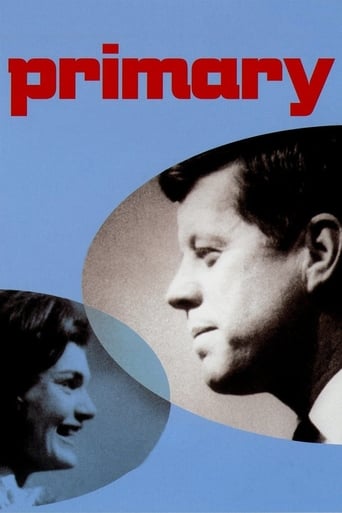
Primary is a documentary film about the primary elections between John F. Kennedy and Hubert Humphrey in 1960. Primary is the first documentary to use light equipment in order to follow their subjects in a more intimate filmmaking style. This unconventional way of filming created a new look for documentary films where the camera’s lens was right in the middle of what ever drama was occurring. Preserved by the Academy Film Archive in partnership with The Film Foundation in 1998.

At first glance, Matthew VanDyke—a shy Baltimore native with a sheltered upbringing and a tormenting OCD diagnosis—is the last person you’d imagine on the front lines of the 2011 Libyan revolution. But after finishing grad school and escaping the U.S. for "a crash course in manhood," a winding path leads him just there. Motorcycling across North Africa and the Middle East and spending time as an embedded journalist in Iraq, Matthew lands in Libya, forming an unexpected kinship with a group of young men who transform his life. Matthew joins his friends in the rebel army against Gaddafi, taking up arms (and a camera). Along the way, he is captured and held in solitary confinement for six terrifying months.
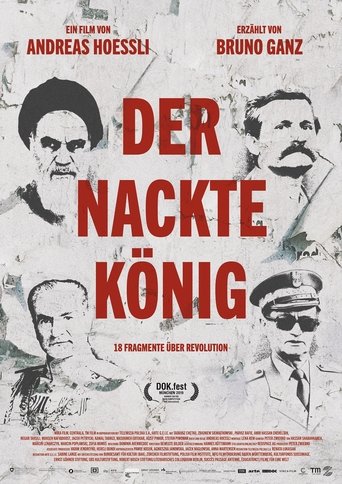
In 1979, a revolution in Iran. In 1980, a revolution in Poland. The fall of the Shah, the “King of Kings,” in Iran. Mass strikes and the foundation of Solidarność (Solidarity) in Poland. What was in the minds of the young women and men who fomented revolution in their own country? What did they think when their revolution was quelled, or – as in Iran – an authoritarian regime was instituted under the name of an “Islamic Republic”?
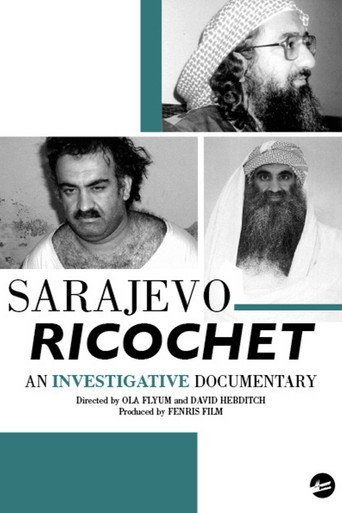
This two-part documentary reveals how al-Qaeda used Bosnia as a training-ground, money-laundering centre and forward operating base during the brutal civil war of 1992-95. The veterans went on to attack New York, Washington DC, London, Madrid, Mombasa and Bali. The story also reveals how the people of Srebrenica were betrayed by the Sarajevo government in advance of the massacres of July 1995.