

Lernen an Leichen
Documentary
Overview
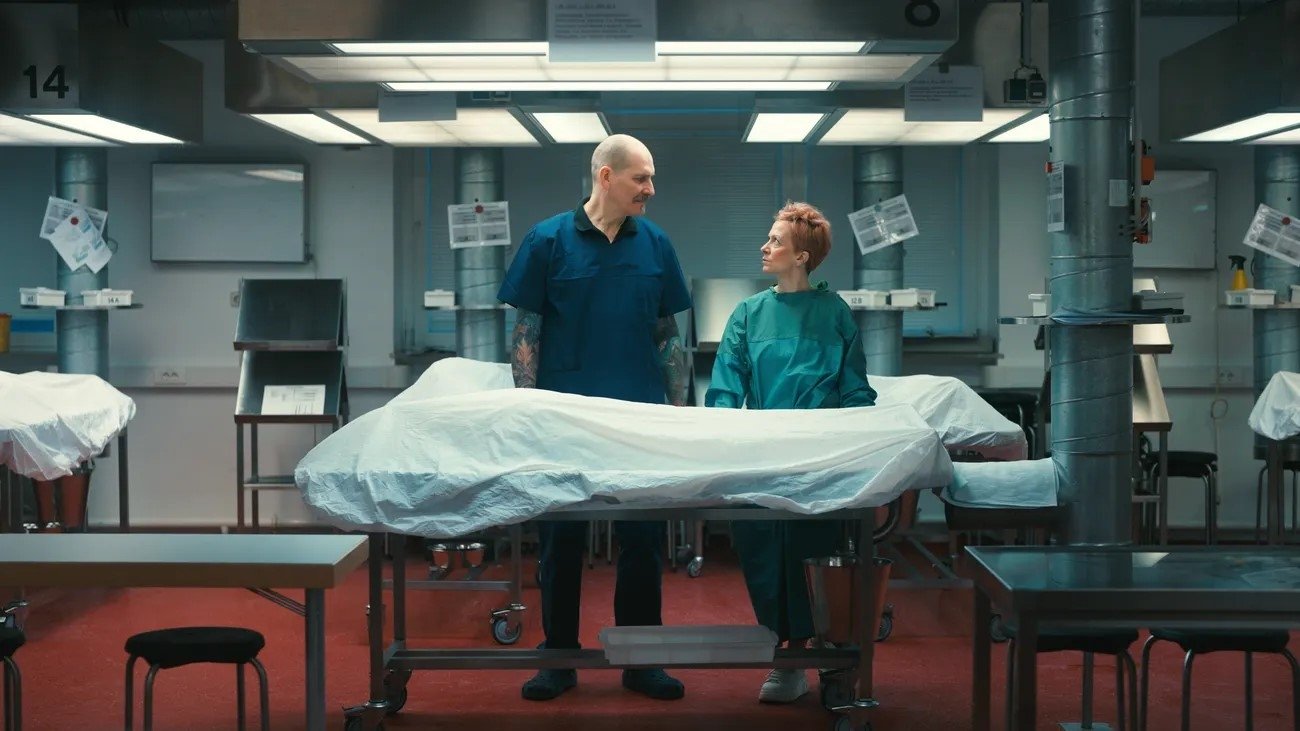
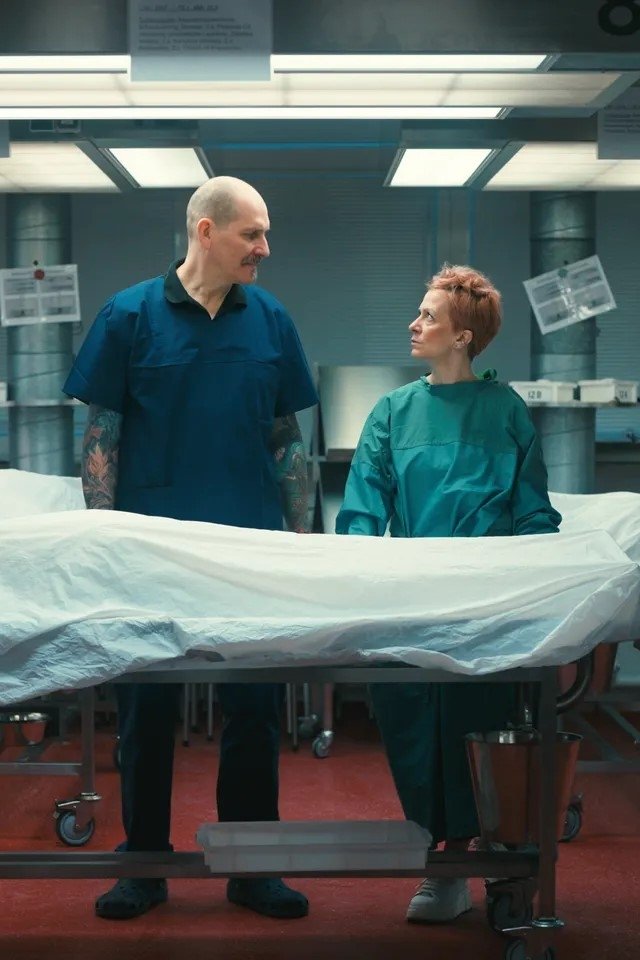
Bodies and body parts of deceased people can be seen in this reportage. They have made themselves available for medical teaching after their death. The dismemberment of bodies in medical studies has hardly been on public display until now.
Top Cast









Thilo Wedel
Thilo Wedel
Thilo Wedel
Birte Jasper
Birte Jasper
Birte Jasper
Rita Vogt-Dycknow
Rita Vogt-Dycknow
Rita Vogt-Dycknow
Bodo Kurz
Bodo Kurz
Bodo Kurz
Sefanie Gundlach
Sefanie Gundlach
Sefanie Gundlach
Arndt Gundlach
Arndt Gundlach
Arndt Gundlach
Similar Movies
Segismundo Morey has spent his last few years facing the challenges imposed by Andrade’s rare disease. This medical condition, which affects his nervous and muscular system, has left a deep mark on his daily life and that of those around him. Over the years, Segismundo has had to overcome physical and emotional obstacles, dealing with difficulties in walking and moving normally. However, despite the constant challenges, he has found comfort and strength in the unconditional love and support of his family. Together, they have faced the adversities of Andrade’s disease, forming an indestructible bond that has been key in their shared journey.
It tells the compelling story of Ali Akyüz's educational journey, which began in a village school in the Of district of Trabzon, and continued through Trabzon High School to Istanbul University Faculty of Medicine, where he became one of the pioneers of Turkish medicine. Ali Akyüz, who taught and practiced medicine in the Department of General Surgery at Istanbul Faculty of Medicine for 42 years, was one of the first to introduce endoscopic surgery to Türkiye in the 1980s. Akyüz, who traveled to England at his own expense and received training, guided the nationwide expansion of treatment facilities in the region.
NOVA takes you inside the operating room to witness organ transplant teams transferring organs from donors to recipients. Meet families navigating both sides of a transplant, and researchers working to end the organ shortage. Their efforts to understand organ rejection, discover ways to keep organs alive outside the body, and even grow artificial organs with stem cells, could save countless lives.
Filmmaker Matthew Thomas Ross provides an original look into his personal journey of a rare cancer diagnosis in his 30s. Through expansive childhood home videos, vulnerable interviews, and intimate footage, we follow Matthew as he documents his battle against Stage 4 appendix cancer. While traveling through the seasons, he struggles to navigate the physical and mental toll of a diagnosis full of so many unknowns. He ultimately finds hope and purpose in completing his first feature film; this documentary.
More and more doctors and surgeons are using hypnosis as a supplement to anesthesia during surgery. Hypnosis is also gaining increasing recognition among conventional physicians, especially for anesthesia and pain treatment. Can it also help with psychological stress disorders such as trauma, phobias, addiction, depression or burnout?
Marina Carrère d'Encausse lifts the veil on the intimate questions that preoccupy her as well as society at large: those related to the end of life. The doctor-journalist introduces Antoine, her partner, who is suffering from Charcot's disease, an incurable illness, and who wishes to choose how he ends his life. Is the current law in France sufficient? Should it simply be better enforced, allowing better access to palliative care? Should assisted suicide and euthanasia be legalized? Marina meets with patients concerned about the end of life, caregivers, and politicians in France, as well as in Belgium, Switzerland, and Canada, countries where euthanasia and assisted suicide are legal.
As the first part of our investigation, the CORONA.FILM prologue will delve into the science behind the pandemic. Starting at the very beginning, we shine a light on the responses. The aim is not to point the finger; our aim is to tell the whole story in all its complexity, as we believe that justice cannot prevail if only one side of the story is told.
During a canoe trip, neurologist Magnus Heier suffers from sudden amnesia: for eight hours, he records nothing. Everything he does is immediately forgotten. This episode becomes the starting point for an exploration of his own memory. How can his functioning explain the incident he suffered? And what happened to the doctor during those lost hours? To understand the amnesia that has affected him, Magnus Heier embarks on an investigation among his peers. His journey takes him to Finland, Germany and Italy, where he visits researchers working on the astonishing brain faculty of memory.