

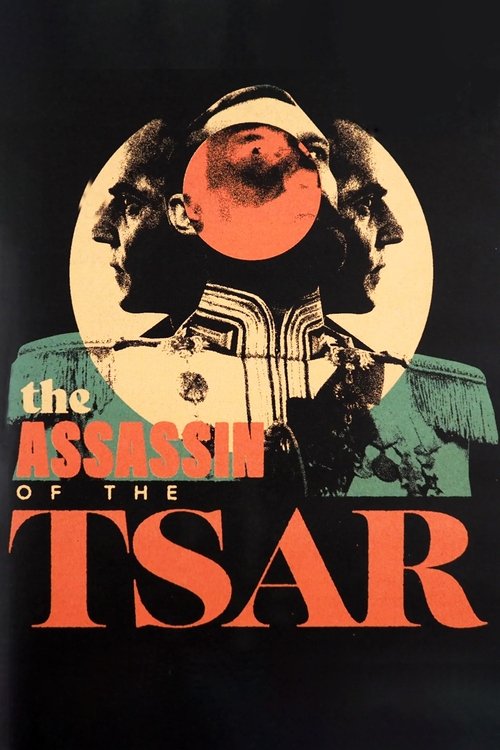
Assassin of the Tsar
History · Drama
Overview
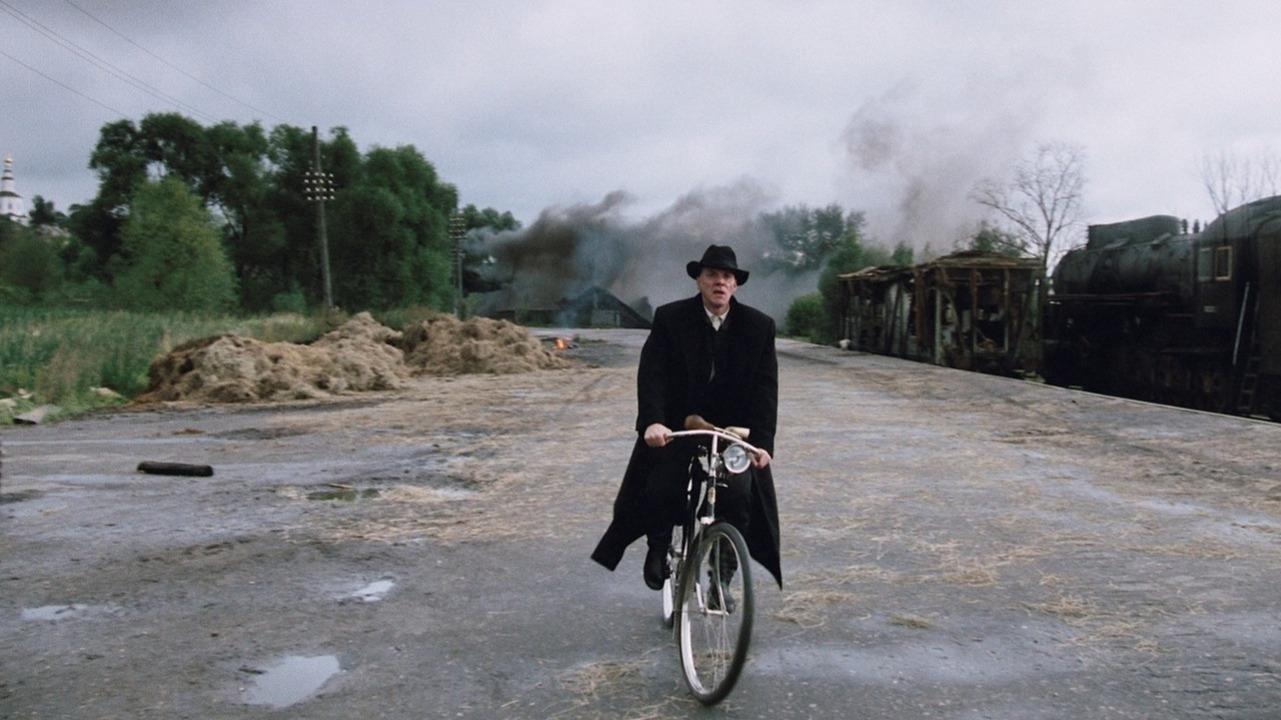
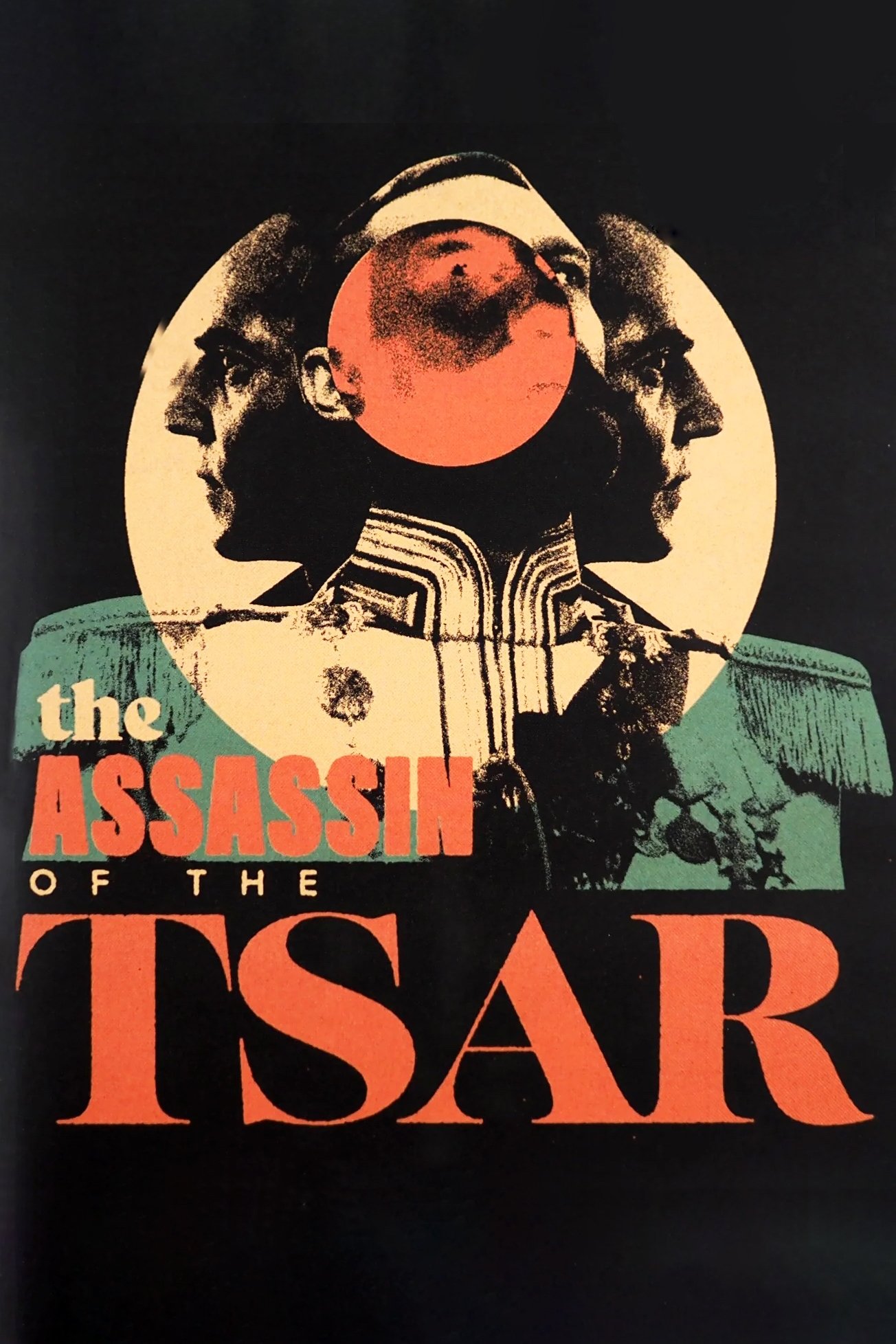
A new doctor from Moscow arrives at a provincial mental institution. His interest is the peculiarities of the psyche of a patient who believes that he is Yakov Yurovsky, the man who assassinated the last Russian tsar. In the course of their conversations it transpires that the patient is a kind of philosopher, not without a gift for suggestion. In a while the doctor himself falls under his patient’s influence: he tends to relive that fatal night of June 16-17, 1918 when, without any investigation or trial, Tsar Nicholas II, who had recently abdicated, was murdered, together with his wife, daughters and incurably ill heir. Soon the doctor realizes that the tragedy of the last Russian tsar is in part his own tragedy, too...
Top Cast
Oleg Yankovskiy
Dr. Smirnov / Tsar Nicholas II
Malcolm McDowell
Timofeyev / Yurovsky
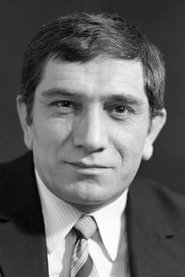
Armen Dzhigarkhanyan
Александр Егорович
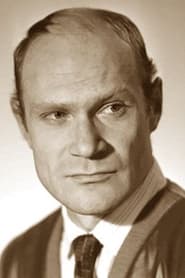
Yuriy Sherstnyov
Kozlov

Olga Antonova
Tsarina Aleksandra

Anzhela Ptashuk
Marina

Yevgeniya Kryukova
Princess Tatyana

Anastasiya Nemolyaeva
Nurse

Natalya Kishova
Officer's Girlfriend

Givi Tokhadze
general

Yuri Belyayev
Alexander II

Albina Skarga






Oleg Yankovskiy
Oleg Yankovskiy
Dr. Smirnov / Tsar Nicholas II
Oleg Yankovskiy
Dr. Smirnov / Tsar Nicholas II
Malcolm McDowell
Malcolm McDowell
Timofeyev / Yurovsky
Malcolm McDowell
Timofeyev / Yurovsky
Armen Dzhigarkhanyan
Armen Dzhigarkhanyan
Александр Егорович
Armen Dzhigarkhanyan
Александр Егорович
Yuriy Sherstnyov
Yuriy Sherstnyov
Kozlov
Yuriy Sherstnyov
Kozlov
Olga Antonova
Olga Antonova
Tsarina Aleksandra
Olga Antonova
Tsarina Aleksandra
Anzhela Ptashuk
Anzhela Ptashuk
Marina
Anzhela Ptashuk
Marina
Yevgeniya Kryukova
Yevgeniya Kryukova
Princess Tatyana
Yevgeniya Kryukova
Princess Tatyana
Anastasiya Nemolyaeva
Anastasiya Nemolyaeva
Nurse
Anastasiya Nemolyaeva
Nurse
Natalya Kishova
Natalya Kishova
Officer's Girlfriend
Natalya Kishova
Officer's Girlfriend
Givi Tokhadze
Givi Tokhadze
general
Givi Tokhadze
general
Similar Movies
A film about peace, love and war. Dedicated to the 100th anniversary of the end of the Civil War in Russia. The film takes place at the end of the summer of 1917, when Russia and the whole world were at a crossroads between two eras. None of the people could even imagine how much his life would change in the very near future. In a strange way, the atmosphere of the film echoes our current reality and what is happening in Russia today. According to the form of visualization, the film belongs to experimental mockumentary cinema. To give greater authenticity to what is happening on the screen, the shooting was carried out on black-and-white negatives of 16 and 35 mm, hand-operated cameras were used and the material was developed in manual spiral tanks. The documentary chronicle of the Kolchak army of 1919 and the White army in the Far East of 1922 is embedded in the finale of the film.
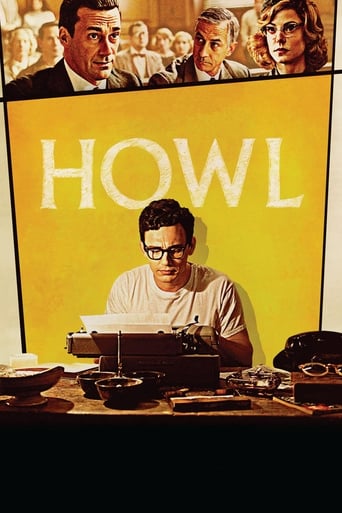
It's San Francisco in 1957, and an American masterpiece is put on trial. Howl, the film, recounts this dark moment using three interwoven threads: the tumultuous life events that led a young Allen Ginsberg to find his true voice as an artist, society's reaction (the obscenity trial), and mind-expanding animation that echoes the startling originality of the poem itself. All three coalesce in a genre-bending hybrid that brilliantly captures a pivotal moment-the birth of a counterculture.